

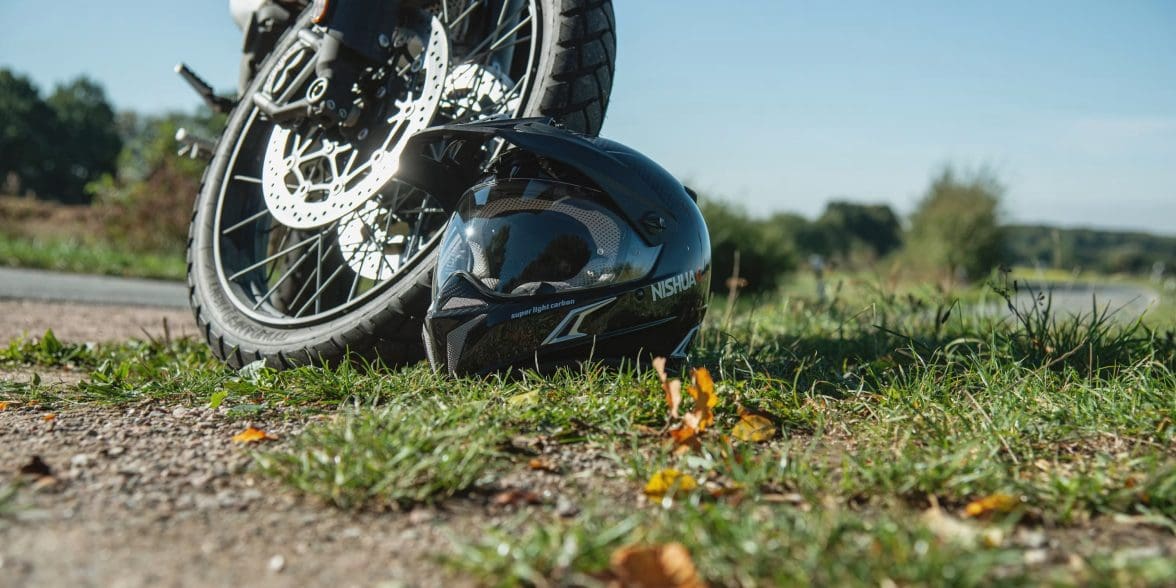
After a motorcycle crash, the bike usually gets most of the attention. It is easy to look at broken fairings, bent bars, scraped cases, or a twisted front end and assume the motorcycle tells the whole story. It does not.
The helmet, jacket, gloves, boots, pants, armor, camera footage, road marks, debris field, and damage pattern on the bike can all help explain what actually happened. For riders, that matters because motorcycle crashes are often misunderstood.
A driver may say the rider “came out of nowhere.” An insurance company may assume the rider was speeding. A crash report may miss details about visibility, braking, lane position, road surface, or evasive movement. The physical evidence can help separate rider stereotypes from crash facts. Most of what follows applies to any motorcycle crash. The legal references are specific to Washington.
Why Motorcycle Crash Evidence Is Different
 Credit: WOWT
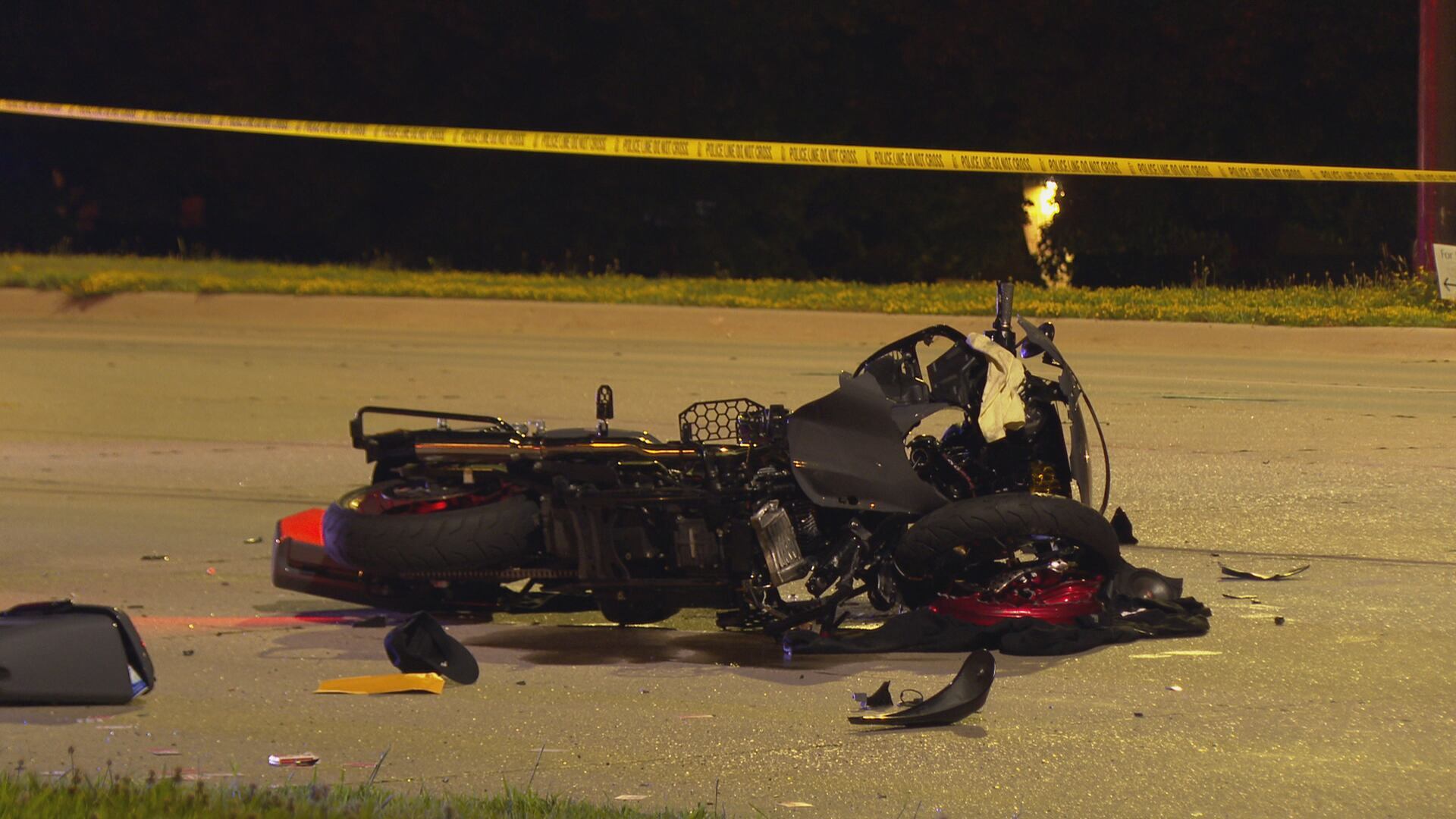
Motorcycles leave a different evidence trail than cars. A rider has less protection, a smaller visual profile, and a much greater chance of being separated from the bike. A relatively small impact can still cause major injuries if the rider hits the pavement, another vehicle, a curb, a guardrail, or roadside debris.
The stakes are also different. NHTSA counted 6,228 motorcyclists killed in 2024, about 16 percent of all traffic deaths, and one of the highest totals recorded since at least 1975. Measured per mile traveled in 2023, motorcyclists were roughly 28 times more likely than passenger car occupants to die in a crash, and five times more likely to be injured. A crash that would be a fender bender in a car can end a rider’s ability to work.
That is why a good motorcycle crash investigation should not stop with vehicle damage. It should look at the rider’s gear, helmet impact points, scrape patterns, road markings, sight lines, camera footage, lighting, traffic conditions, and the final resting positions of the rider and motorcycle.
Those details can help answer practical questions:
- Did another driver fail to see the rider?
- Was the rider braking or trying to avoid impact?
- Did the motorcycle slide, rotate, or get hit directly?
- Did road conditions contribute to the loss of control?
- Does the gear damage match the injury pattern?
- Do the bike damage and road marks match the driver’s version of events?
These questions matter because fault in a motorcycle crash is not always obvious from the first report.
The Helmet Can Tell Part of the Story
 Credit: Reddit
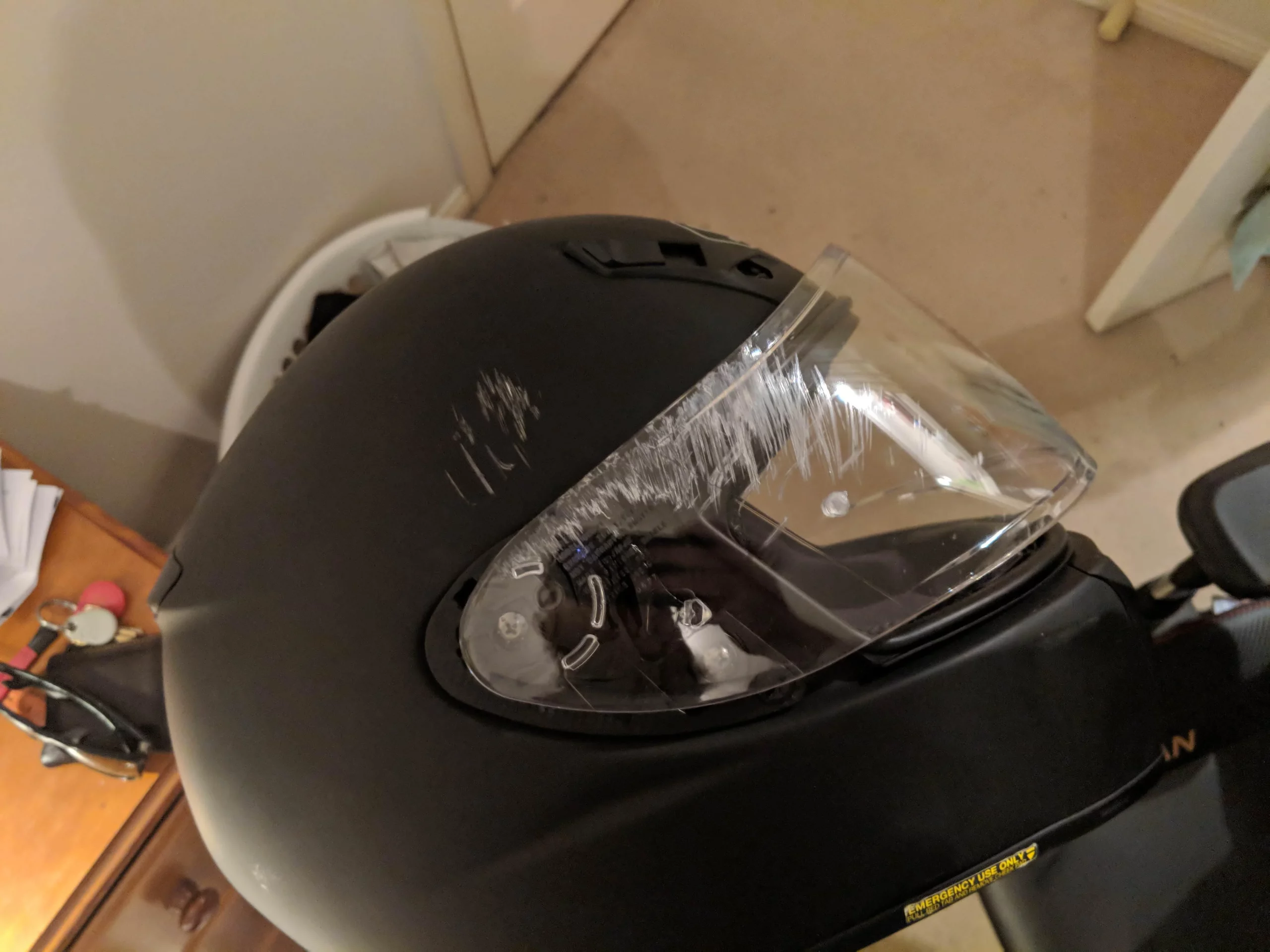
A helmet is not just protective equipment. After a crash, it can also become important evidence. Scuffs, cracks, gouges, shield damage, paint transfer, and impact marks may help show where the rider’s head struck the ground, vehicle, curb, guardrail, or another object. The location and direction of helmet damage may also help explain how the rider moved after impact.
A helmet should usually be saved after a serious crash, even if the damage looks minor. It should not be thrown away, reused, repaired, cleaned up, or modified before it has been documented. A helmet can look “mostly fine” from a distance and still contain important evidence of impact.
NHTSA’s motorcycle safety guidance emphasizes DOT-compliant helmets, visibility, protective gear, rider readiness, and sober riding. For Washington riders, RCW 46.37.530 addresses helmets, mirrors, eye protection, and related motorcycle equipment requirements.
The legal importance of helmet evidence depends on the facts of the crash, the injuries, and the state involved. But from an evidence standpoint, the basic rule is simple: save the helmet.
Riding Gear Can Show How the Rider Hit the Ground
 Credit: Harley Davidson
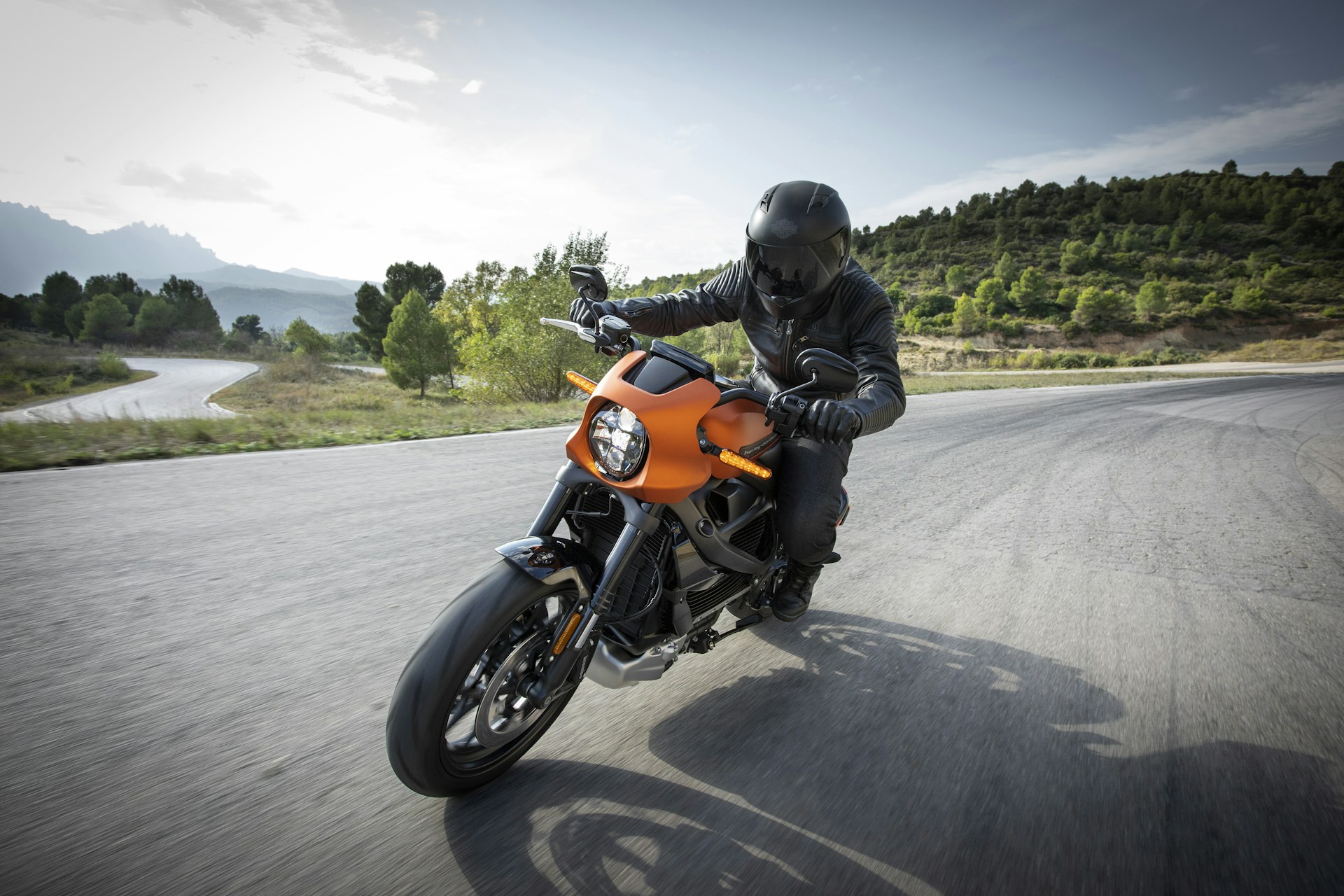
A jacket, gloves, boots, pants, and armor can reveal a lot about the crash path. Abrasion patterns may show whether the rider slid across pavement. Tears, compression marks, seam failures, or broken armor may show where the rider made contact with the road or another object.
Glove damage can be especially useful. Riders often instinctively reach out during a fall, so palm, knuckle, and finger damage may help explain hand, wrist, elbow, or shoulder injuries. Boot damage may help explain foot, ankle, or lower-leg trauma. Jacket and pant abrasion may show which side of the body hit first and how long the rider slid.
This kind of evidence can be important when a driver or insurer disputes how the injuries occurred. For example, heavy abrasion on one side of the helmet, jacket, pants, and boots may support a slide pattern. Crushed boots or damaged foot controls may help connect the crash to lower-extremity injuries. Broken shoulder armor may help explain impact-related shoulder trauma.
Riding gear should be saved in the same condition it was in after the crash. Washing it, cutting it up, repairing it, discarding it, or replacing it too quickly can remove useful evidence.
Motorcycle Damage Can Challenge the First Version of the Crash
 Credit: Post Classic Roadracers Australia
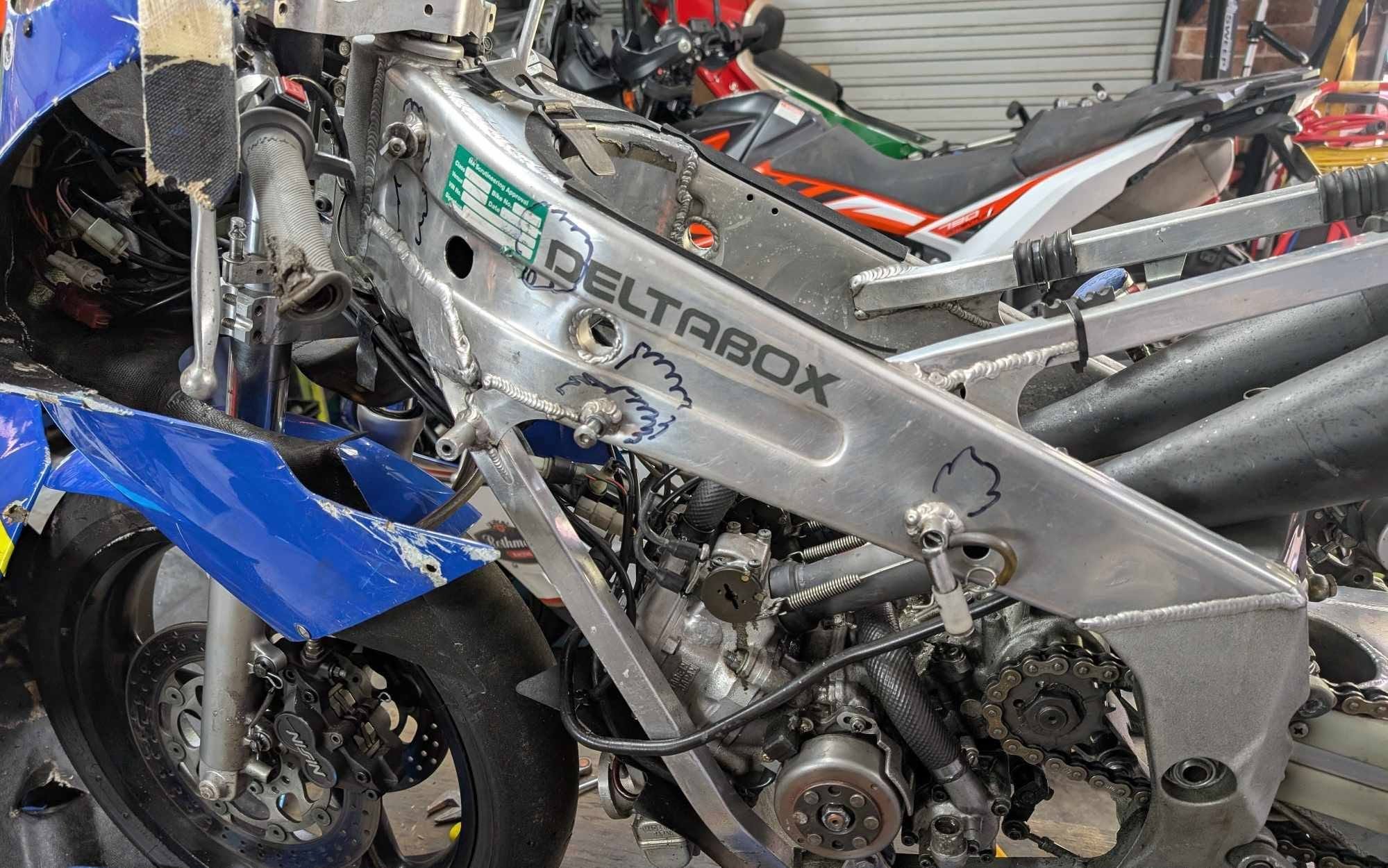
The motorcycle itself remains one of the most important pieces of evidence. Damage patterns can help show whether the bike was struck from the side, hit from behind, forced down, pushed into another object, or went down while the rider was braking or swerving.
That distinction matters. A bike that goes down under hard braking or a sudden steering input is usually losing traction, not executing a plan. Investigators look at what the damage and the road marks show, not at what someone assumed the rider chose to do.
Investigators may look at handlebar damage, lever damage, mirror damage, foot peg damage, wheel condition, brake controls, clutch controls, fork alignment, frame damage, fairing damage, tank damage, exhaust damage, lighting damage, turn signal damage, paint transfer, scrape marks, and the final resting position of the motorcycle. This evidence can confirm or challenge what people say happened.
If a driver claims the rider was speeding through traffic, but the bike damage and road evidence suggest a low-speed side impact, that matters. If a rider says a vehicle turned left across the lane, damage to the motorcycle and vehicle may help support that account. If the motorcycle shows evidence of braking or evasive movement, that may help show the rider tried to avoid the crash.
The motorcycle should be photographed before repairs or salvage. In serious cases, it may need to be inspected before parts are moved, replaced, or discarded.
Road Marks and Debris Can Disappear Fast
 Credit: WBUR
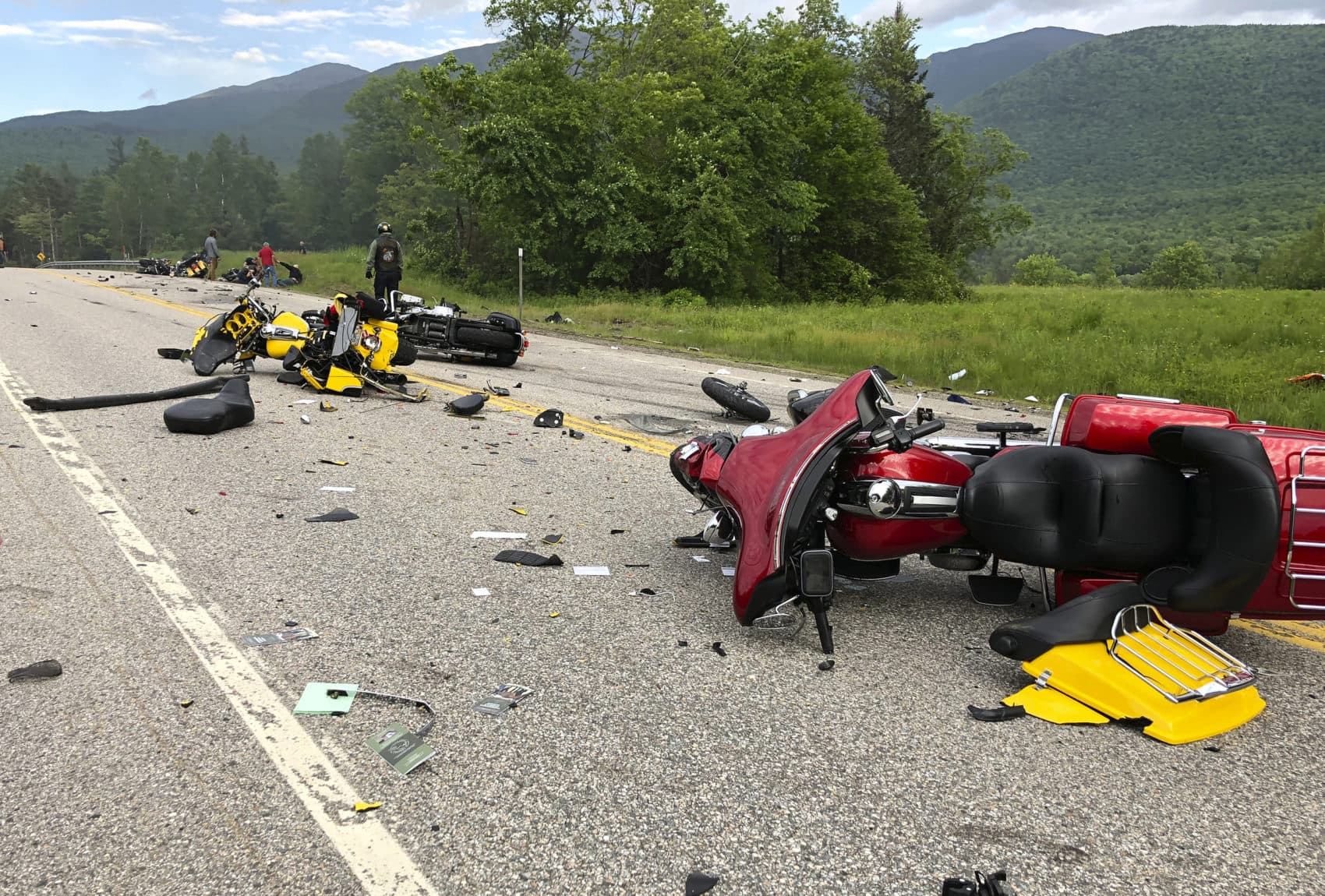
The road often holds some of the best evidence, but it is also some of the first evidence to disappear. Skid marks, scrape marks, gouge marks, fluid trails, broken parts, glass, plastic, paint chips, and debris fields may help show the motorcycle’s path before and after impact. These marks can also help identify the point of impact, the direction of travel, and whether the rider had time to brake or swerve.
Motorcycle crashes can involve sliding, tumbling, rotation, separation of rider and bike, or multiple impacts. Road evidence can help reconstruct that sequence.
Road conditions may also matter. Gravel, potholes, uneven pavement, loose cargo, standing water, oil, poor lighting, construction plates, faded lane markings, and metal road plates can all affect a motorcycle more severely than a passenger car.
Photos should include both wide shots and close-ups. Wide shots show the layout of the roadway, lanes, signals, intersections, curves, shoulders, and sight lines. Close-ups preserve specific marks, debris, hazards, and damage.
Visibility Is Often the Central Dispute
 Credit: Gjis Coolen
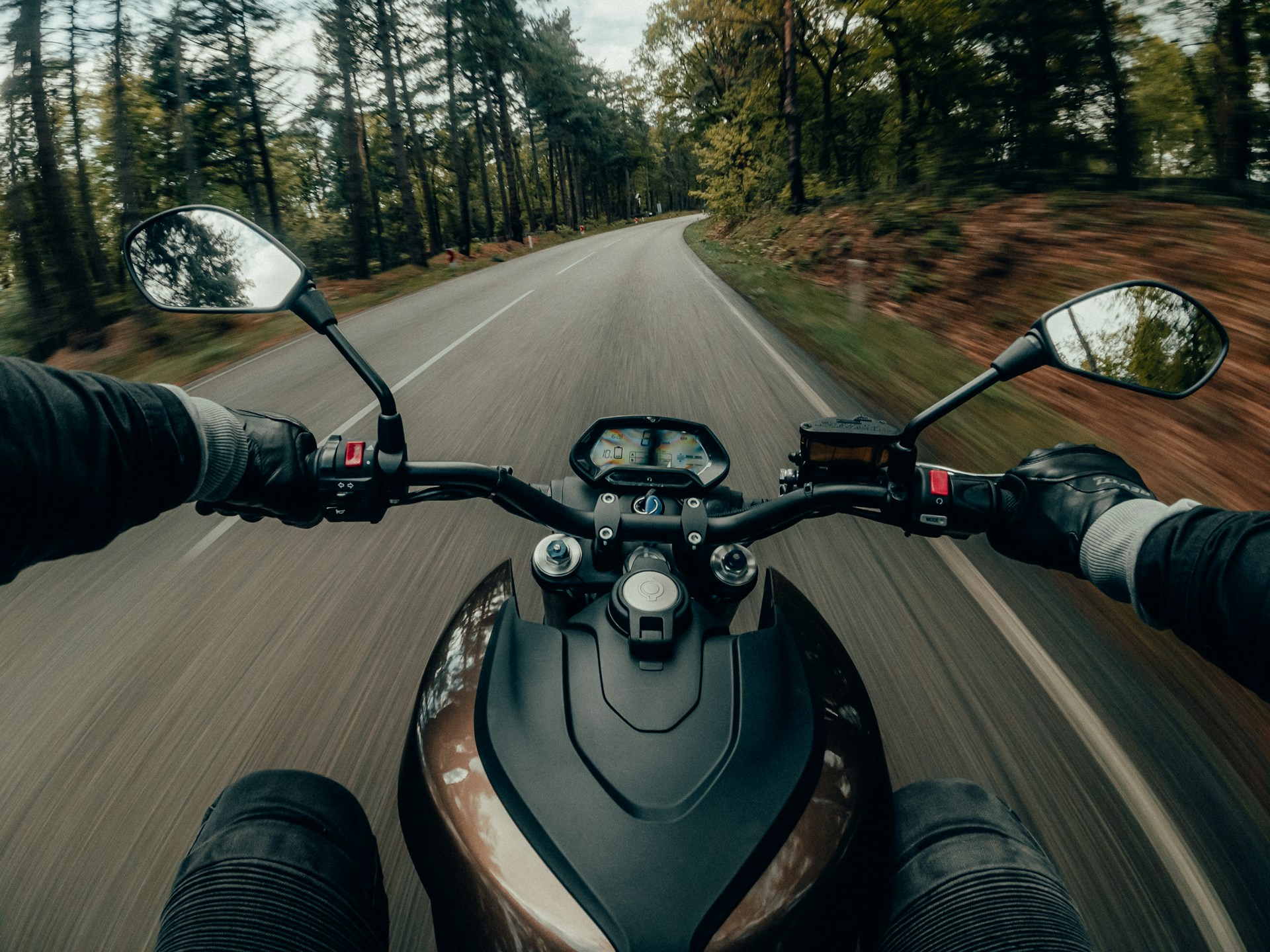
Many motorcycle crashes come down to visibility. A driver may say the rider appeared suddenly or was hard to see. A rider may say the driver failed to look, turned across the lane, drifted into the rider’s path, or changed lanes without checking a blind spot.
Visibility evidence may include headlight function, turn signal function, brake light function, lane position, weather, lighting, reflective gear, sight lines, vehicle blind spots, traffic congestion, and witness statements. Camera footage from a helmet camera, handlebar camera, dashcam, nearby business, traffic camera, or doorbell camera may also help.
This matters because “I didn’t see the motorcycle” should not automatically become “the rider was at fault.”
A proper investigation should ask whether the driver kept a proper lookout, checked mirrors, checked blind spots, yielded when required, followed traffic signals, and gave the rider enough space.
Helmet Cameras, Dashcams, and Nearby Video Can Be Critical
 Credit: Techalogic
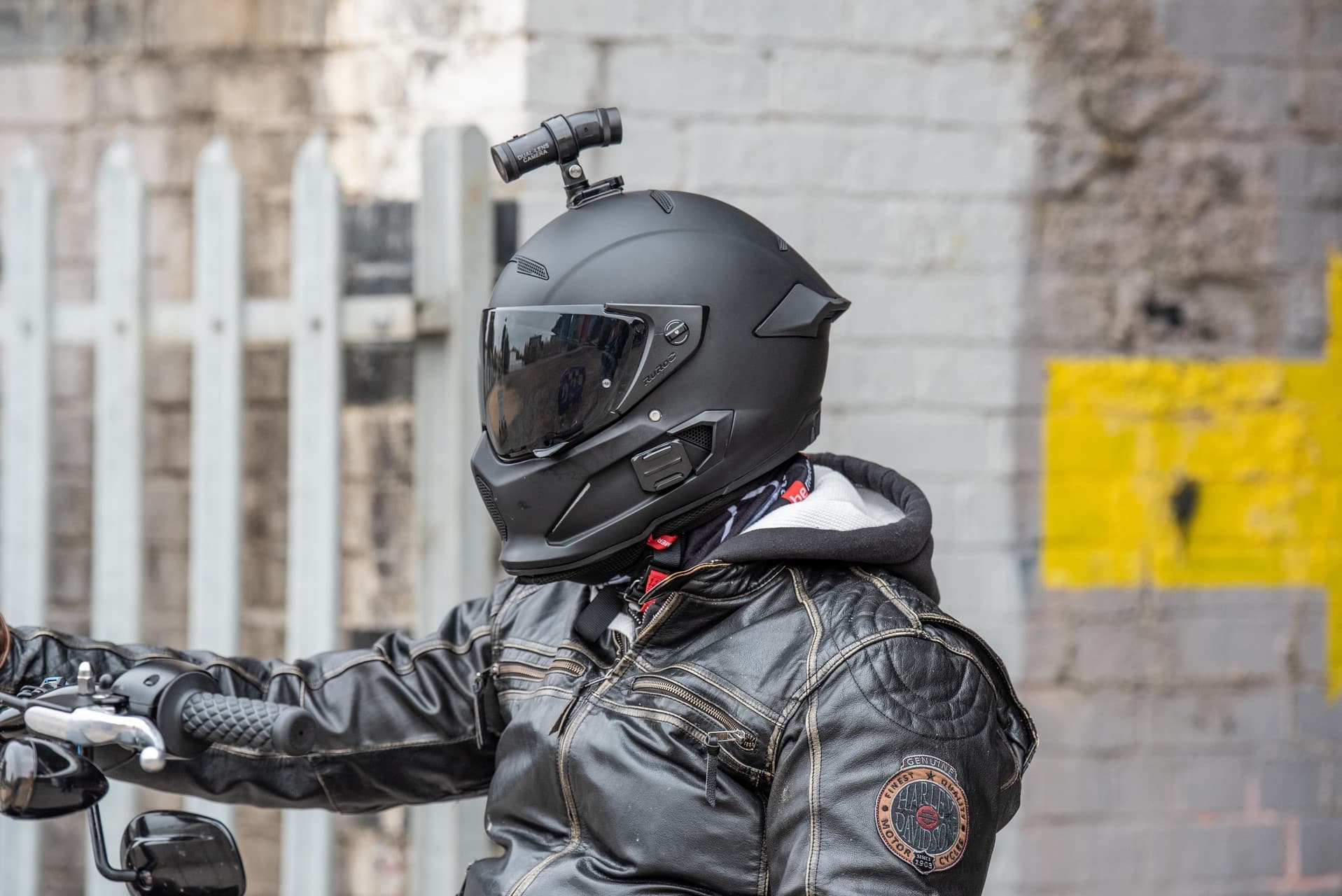
Video can be some of the strongest evidence after a motorcycle crash. Helmet cameras, handlebar cameras, dashcams, nearby surveillance cameras, traffic cameras, and even doorbell cameras may capture the seconds before impact.
Video may show speed, lane position, traffic signals, braking, evasive movement, driver behavior, road hazards, and whether the rider had time to react. It may also capture audio, such as horn use, braking sounds, impact sounds, or statements made immediately after the crash.
But video is time-sensitive. Most surveillance systems record on a loop and overwrite themselves. Small businesses with basic systems often keep only 7 to 14 days, and some overwrite in three to seven days. Retail stores and larger commercial properties commonly run 30 to 90 days. A recorder set to loop will overwrite the oldest footage once the drive fills, sometimes in about a week on a site running many high-resolution cameras, so the stated policy is not always what the hardware actually does.
Nobody at that business is going to set the file aside for a rider who has not asked. Dashcam files get deleted. Traffic camera footage may not be saved unless someone requests it quickly. Helmet cameras can also be damaged, lost, or separated from the rider during the crash.
If a rider uses a camera, the device and memory card should be preserved. Backups can help, but the original file and device may still matter.
Medical Records Connect the Crash to the Injuries
 Credit: Unsplash
Physical evidence explains how the crash happened. Medical records explain what the crash did to the rider. Motorcycle crashes can cause injuries that are more serious than the visible bike damage might suggest. A rider may suffer a concussion, traumatic brain injury, spinal injury, broken bones, road rash, internal injuries, nerve damage, shoulder injury, knee injury, hand injury, or long-term pain.
Emergency records, imaging, orthopedic treatment, neurology records, surgery notes, physical therapy records, and follow-up care can all help show the severity and progression of injuries.
This is especially important when symptoms develop over time. A rider may feel adrenaline immediately after the crash and only later notice headaches, dizziness, back pain, numbness, cognitive changes, or worsening mobility. Consistent medical care helps document those changes.
Rider Bias Can Affect How a Claim Is Viewed
 Credit: CN Traveler
Motorcycle riders often face assumptions after a crash. An insurer may suggest the rider was speeding, weaving, riding aggressively, or taking unnecessary risks, even when the evidence does not support that story.
That is why the helmet, gear, bike, scene, video, and medical records matter so much. They can push the investigation away from assumptions and back toward facts.
A strong motorcycle crash investigation should ask:
- Who had the right of way?
- What did each driver see or fail to see?
- Was the rider visible?
- Was the rider braking or taking evasive action?
- Did another vehicle turn, drift, merge, stop suddenly, or fail to yield?
- Did road conditions contribute?
- Do the gear, bike damage, and injuries match the story being told?
Those questions are more useful than stereotypes about riders.
When Legal Guidance Becomes Important
 Credit: Unsplash
Not every motorcycle crash requires a lawyer. Legal guidance becomes more important when injuries are serious, fault is disputed, the driver blames the rider, evidence may disappear, or the insurance company pushes for a quick settlement.
A lawyer may help preserve the motorcycle, helmet, gear, camera footage, scene evidence, witness statements, medical records, and insurance communications. A lawyer may also work with reconstruction experts when the crash mechanics are disputed.
For someone injured in Washington, speaking with an attorney who understands motorcycle accident cases in Tacoma can help protect key evidence before it is repaired, overwritten, discarded, or lost.
Practical Steps Riders Can Take After a Crash
 Credit: Jakub Zerdzicki
Medical care comes first. Once immediate safety needs are handled, riders and families can help preserve the record by saving the things that tell the story. Keep the helmet, jacket, gloves, boots, pants, camera, damaged parts, repair estimates, medical records, insurance letters, and claim information. Photograph the motorcycle, gear, roadway, vehicles, debris, visible injuries, traffic controls, and anything unusual about the road surface. Get witness names and contact information when possible. Save camera footage and back it up, but do not alter the original file.
Riders should also be careful with recorded statements. Guessing about speed, fault, distance, or injuries too early can create problems later, especially before the evidence has been reviewed and the full medical picture is known. The goal is not to turn every crash into a legal fight. The goal is to preserve the facts before they disappear.
Final Takeaway
After a motorcycle crash, the bike, helmet, gear, road, camera footage, and medical records can all tell part of the story. For riders, that evidence can be especially important because motorcycle crashes are often misunderstood. A driver’s statement or an insurer’s assumption may not reflect what actually happened. The physical evidence may show whether the rider was visible, whether another driver failed to yield, whether the rider tried to avoid the crash, and how the impact caused the injuries.
A motorcycle crash scene does not stay preserved for long. Gear gets thrown away. Bikes get repaired or salvaged. Video gets overwritten. Road marks fade. Witnesses move on.The best time to protect the evidence is before that happens.
This article is general information about crash evidence. It is not legal advice. Helmet requirements, filing deadlines, and insurance rules vary by state, and how any of this applies depends on the facts of a specific crash. A rider dealing with an injury claim should speak with a licensed attorney in their state.