
A used motorcycle can be a very good buy. It can also be somebody else’s problem with a fresh set of grips on it, and photos in a listing will not tell you which one you are looking at. That is the reason to run the VIN before you go anywhere. A VIN check pulls title and odometer records tied to that specific bike. It usually costs a few dollars and takes a couple of minutes.
Why a Motorcycle Hides Its Past Better Than a Car

Cars are harder to fake. There is a lot of sheet metal on a car, so a cheap repair tends to show up in the panel gaps or in paint that does not quite match in daylight. Motorcycles do not give you that. Fairings come off with a socket set, and levers, mirrors, bar ends and turn signals are all inexpensive parts that get replaced without anybody thinking much about it. A rider who dropped a bike in a parking lot can have it looking normal again by Sunday night, and a buyer standing in the driveway is probably not going to catch it.
Service records are usually thin as well. A lot of owners do their own oil changes and never keep receipts, so an empty folder does not really tell you much either way. webBikeWorld’s guide to inspecting a used motorcycle covers the mechanical side of a walkaround, which is a separate job from checking the paperwork.
What to Check Before You Meet the Seller
 Credit: Unsplash
Title status matters most. State titling agencies apply brands such as salvage, rebuilt, junk and flood, and those brands stay attached to the bike for the rest of its life. A branded bike is worth less than a clean one and can be harder to insure, so a lot of buyers avoid them. Other people go looking for them because the discount is real and they know how to evaluate repair work. Either approach is fine. The problem is finding out about the brand after the money has changed hands, which is what a VinInspect report is there to prevent.
Theft records are the next thing to check. Bikes are easy to steal compared with cars, and a stolen bike that gets recovered and retitled can end up listed on Facebook Marketplace like anything else. Riders have learned that one the hard way more than a few times.
 Credit: Pexels
Odometer readings are the third piece. They get recorded at events like title transfers and inspections, so the history will have gaps in it, and a gap on its own does not mean much. A reading that goes down over time is the thing you are watching for.
Why Odometer Rollbacks Are Easy to Miss on a Bike
Motorcycle mileage numbers are low to begin with, so a small change makes a big difference to the price. Taking 12,000 miles off a bike that shows 22,000 is a serious edit. The same 12,000 off a truck at 140,000 barely registers. Mileage also determines when major service comes due, so a buyer who trusts a rolled-back number can skip a valve adjustment that was already overdue.
Instrument clusters are easy to swap on a lot of models, and used ones are cheap. Physical wear is what usually contradicts the gauge. On a bike claiming 9,000 miles you might find hooked sprocket teeth, or tire date codes going back six or seven years on a machine the seller says he rides most weekends. None of that proves anything by itself, but it is a reason to look harder at the records.
Where to Find the VIN on a Motorcycle
 Credit: Reddit
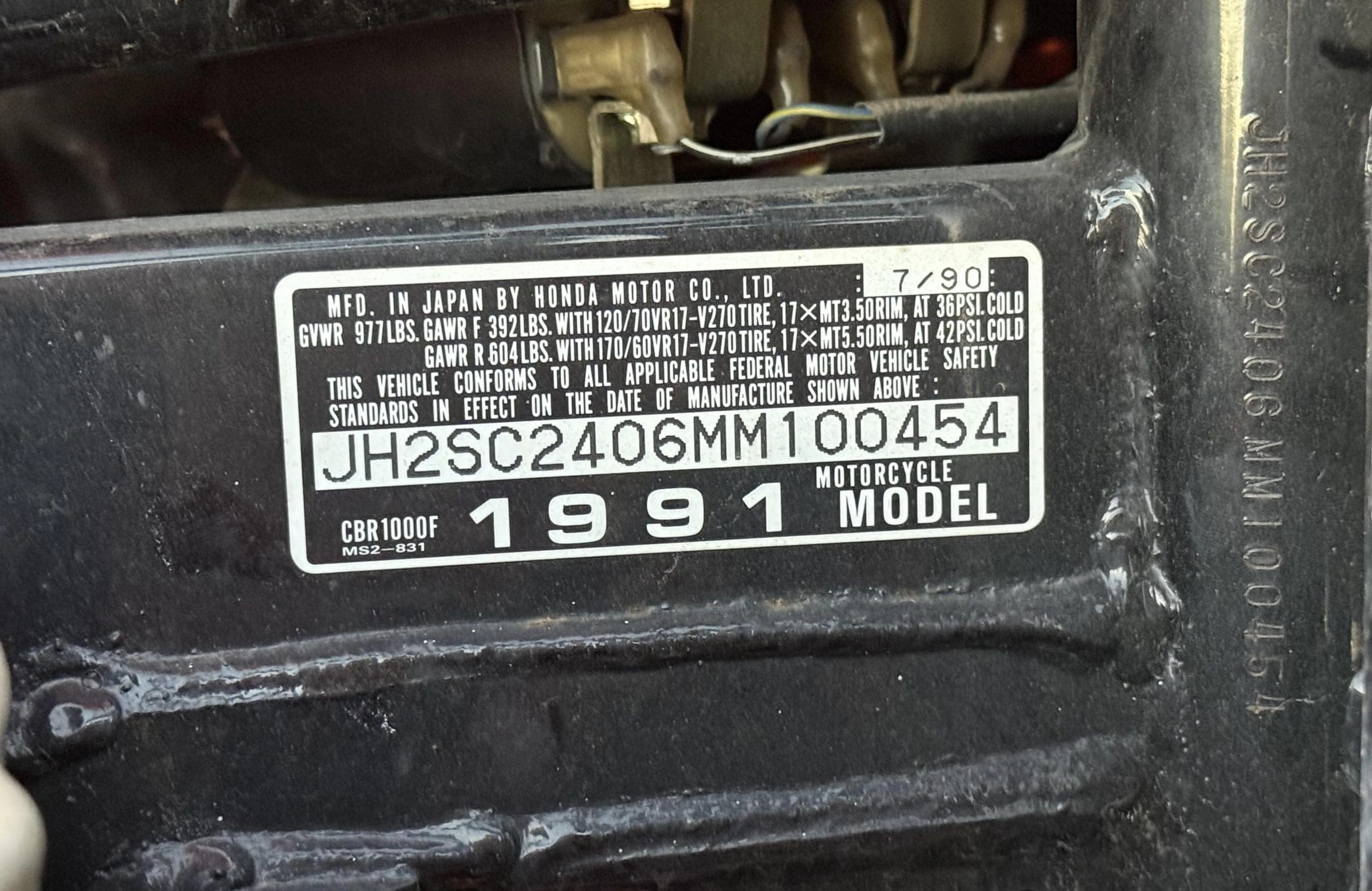
On most street bikes the VIN is stamped into the steering neck, behind the front forks. Turning the bars and moving the cables aside is usually enough to read it. Manufacturers also add a label or riveted plate somewhere on the frame, and the location varies by brand and model year, so it can take a few minutes to find. Every bike built for the 1981 model year or later uses the same 17-character format.
The number on the engine case is not the VIN. Engines get replaced over the life of a bike, and a swapped motor is worth asking about. What you need to match is the frame VIN against the title and the registration, character by character. If they do not match, do not go any further until the seller can explain why.
How to Work a VIN Check Into Your Buying Routine
 Credit: Unsplash
Ask for a photo of the frame stamping by text before you agree to see the bike in person. Run that number while you are still at home, then compare the results against the listing. If the two disagree, you have saved yourself the trip.
These reports pull from NMVTIS, the federal title database run under the Department of Justice, which covers motorcycles as well as cars and trucks. A report generally shows:
- current and previous states of title, with the dates
- the most recent odometer reading on record
- theft records, when there are any
- any brand applied to the bike, and the date it was added
There are limits to it. NMVTIS does not include repair history, and a crash only shows up if an insurance company declared the bike a total loss. Plenty of bikes go down without a claim ever being filed, so a clean report still leaves room for a machine that was repaired quietly in somebody’s garage.
If the records look fine, go see the bike and do a proper inspection. That order costs almost nothing and it filters out the listings that were never worth the ride.