

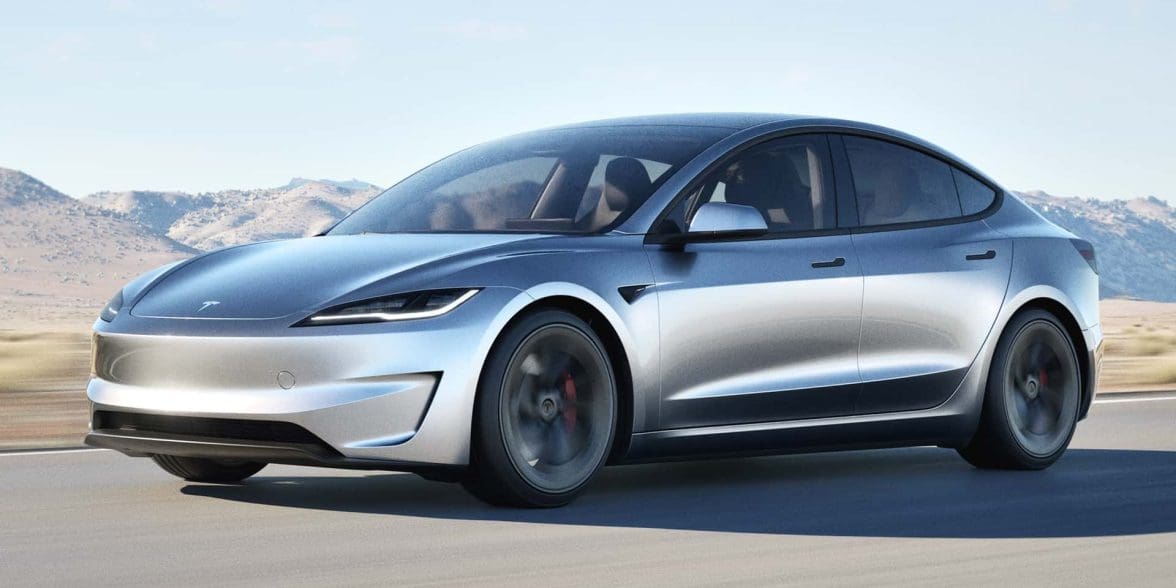
For the most part, an electric car gets shipped the same way as any other car. Same trucks, same drivers, same paperwork. There are a handful of differences, though, and each one can cost you a day or a reschedule if you learn about it at the curb with a driver waiting. These are the ones I’ve learned to watch for.
Charge It to Somewhere in the Middle
 Credit: Edmunds
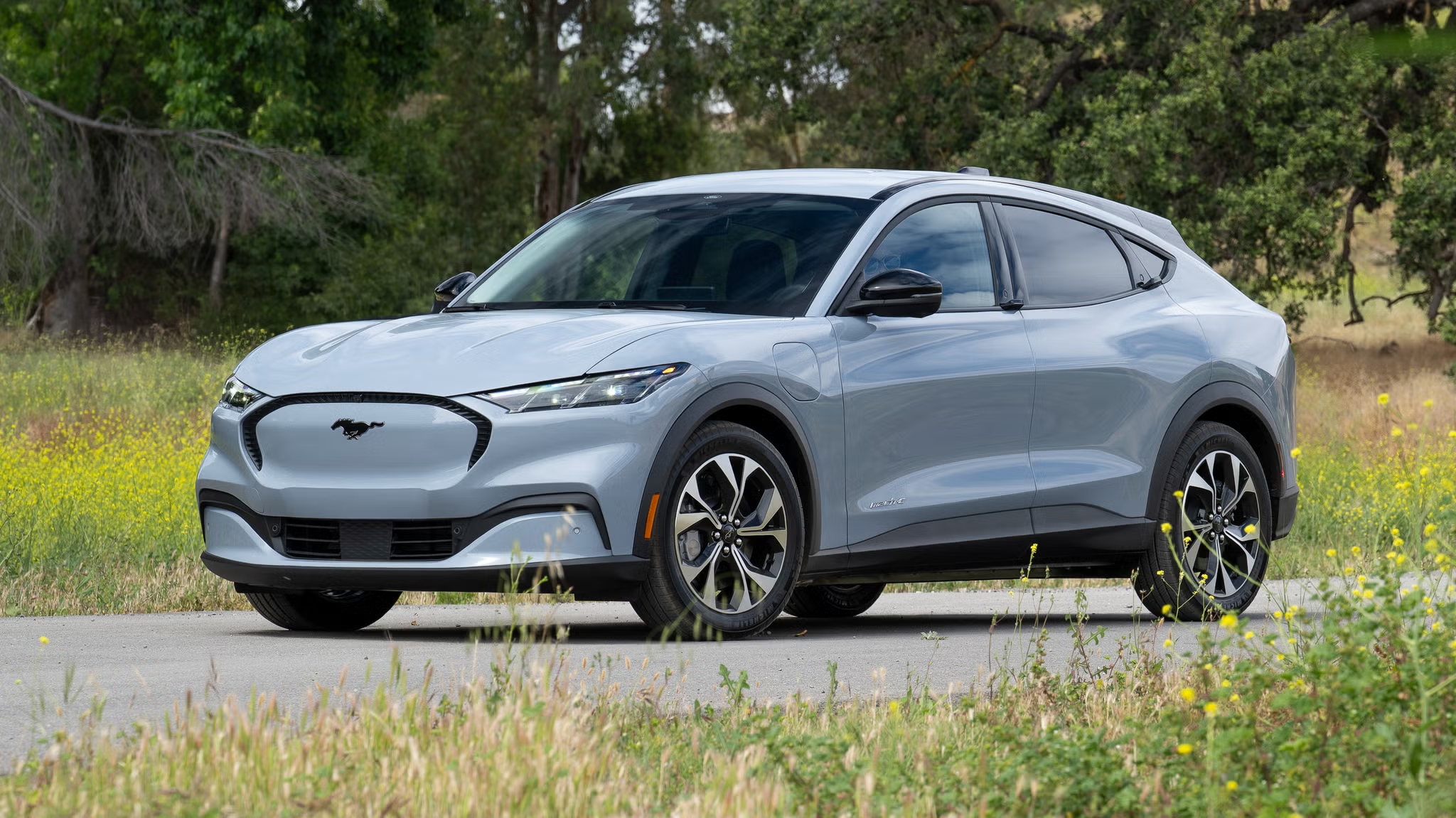
Most carriers want the car at 30 to 50 percent when they pick it up. The car only needs enough juice to get onto the trailer, move around if the driver has to reshuffle the load, and drive off at the other end. A full battery doesn’t help anyone, and a lithium pack is actually happier sitting at half than at 100 percent for a week. An empty one is worse, because now the driver has a car he can’t move.
Don’t expect it to show up with the same charge it left with. Nobody plugs your car in during the trip, and if an app keeps waking it up a few times a day, the number keeps dropping. I always find a charger near the delivery address before the truck is even dispatched, and I’m extra careful about it in winter, when the cold eats into range and slows down charging too.
Turn Off Everything That Watches
 Credit: Top Speed
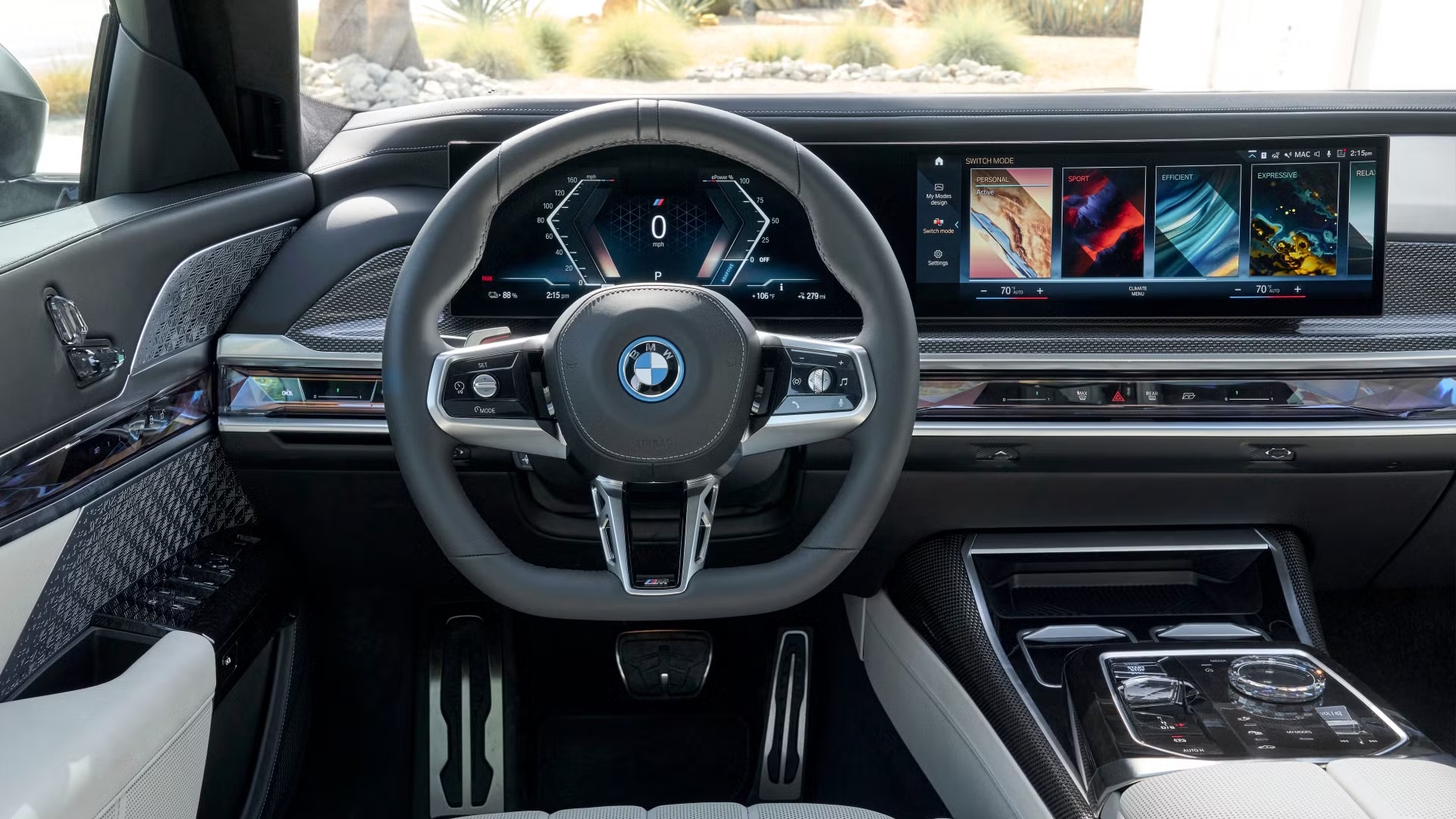
EVs are awake a lot more than older cars ever were. Sentry-style cameras record while the car is parked, climate control kicks on by schedule, the phone key connects whenever someone walks by, and the app pings for location. Every one of those features pulls a little from the battery while the car sits on a trailer for days.
So before pickup I shut off the parked camera, cancel any scheduled climate or preconditioning, and switch on transport mode if the car has one (check the manual, usually somewhere near the towing or service section). I also give the driver a physical key or key card. Your phone key does him no good when you’re three states away and he needs to move the car.
Weight Is the Part People Underestimate
 Credit: EVA Scotland
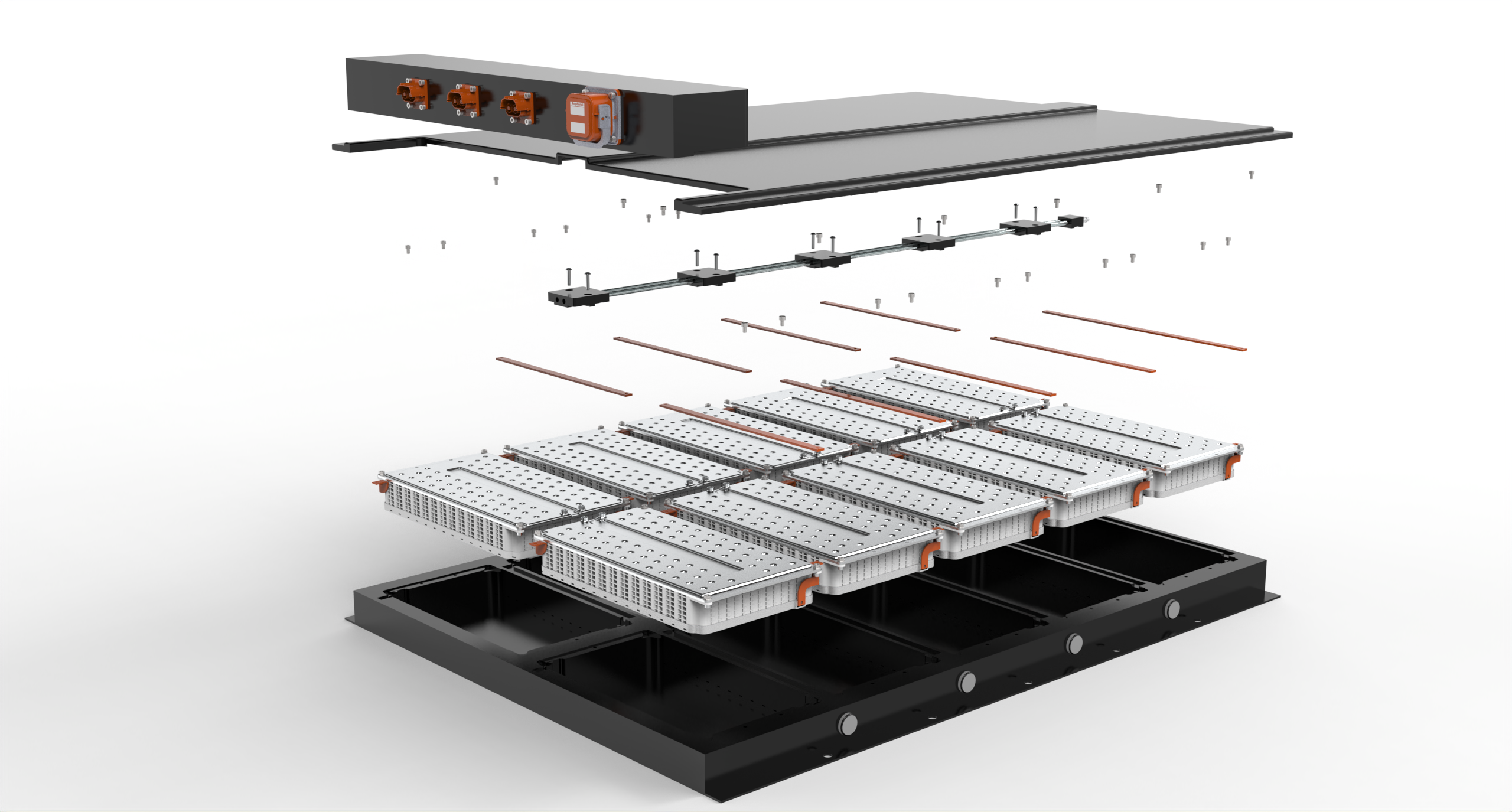
Batteries are heavy, plain and simple. A midsize electric sedan can weigh about as much as a big gas SUV, and some full-size electric pickups are flirting with 9,000 pounds. Every car hauler has a legal weight limit for the whole rig, so a heavier car either means fewer cars on the load or some careful placement over the axles.
That’s why an EV quote can come in higher than one for a gas car that looks about the same size, and why heavier models sometimes get a specific spot on the trailer. It’s also why you should give the exact year, make and model when you ask for a price. If the weight is wrong, someone usually figures it out on loading day, and that’s the worst possible day to figure anything out.
Loading Is about the Floor, Not the Roof
 Credit: Octupus Electroverse
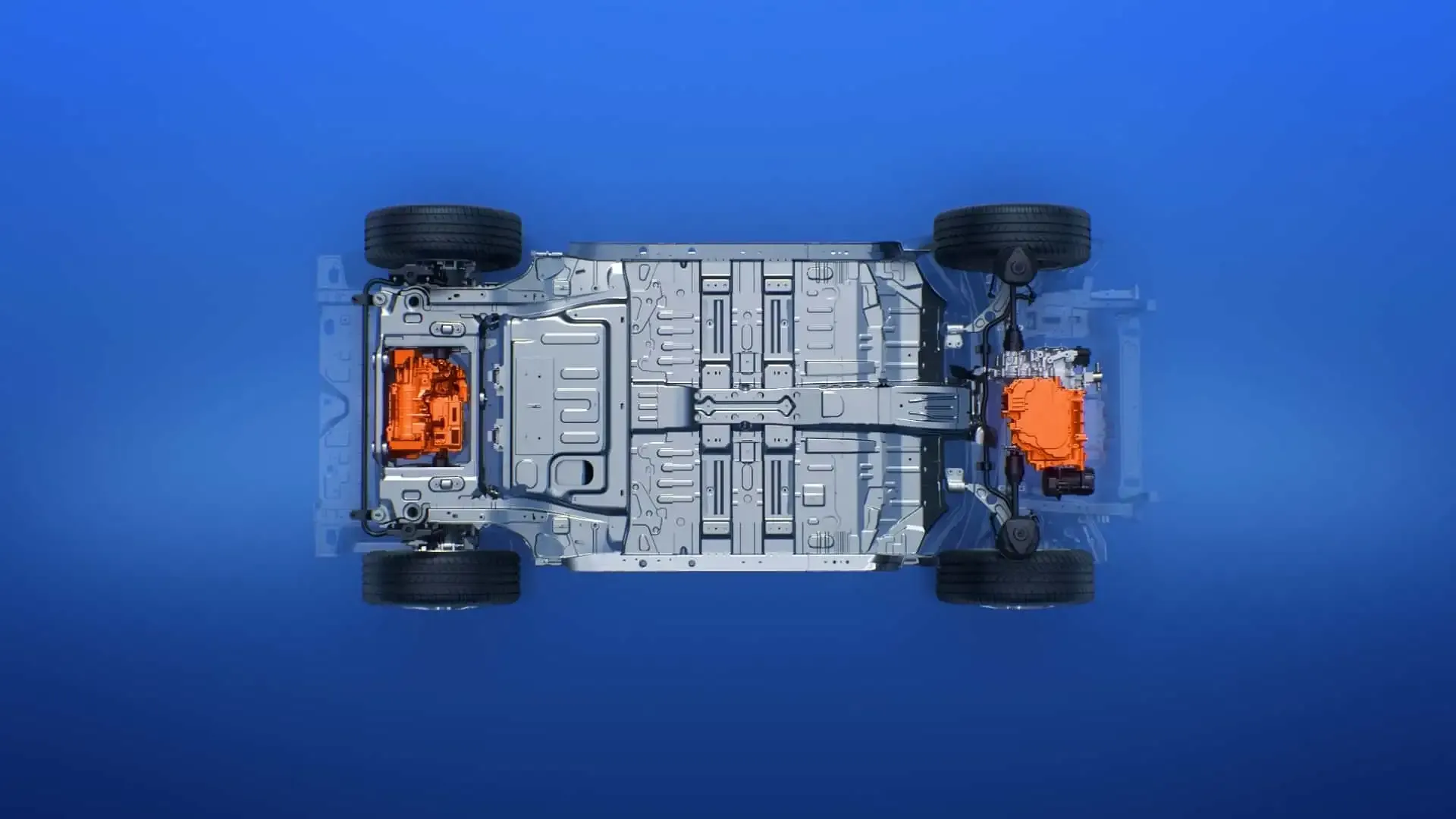
On most EVs the battery lives in the floor, which means less ground clearance and an underside you really don’t want scraped. Good drivers use longer ramps with a gentler angle, or a hydraulic lift, so nothing drags on the way up.
How the car gets strapped down matters just as much. Straps should go over the wheels, never hooked to some part underneath that looks sturdy, because pulling a strap against the battery enclosure or a plastic underbody panel can do real damage. Some drivers also need the trunk to run straps, so I leave it empty. Personal stuff adds weight anyway, and it’s usually not covered by the carrier’s cargo insurance.
If the Car Does Not Run, Say So When You Book
 Credit: Auto Beauty Specialists
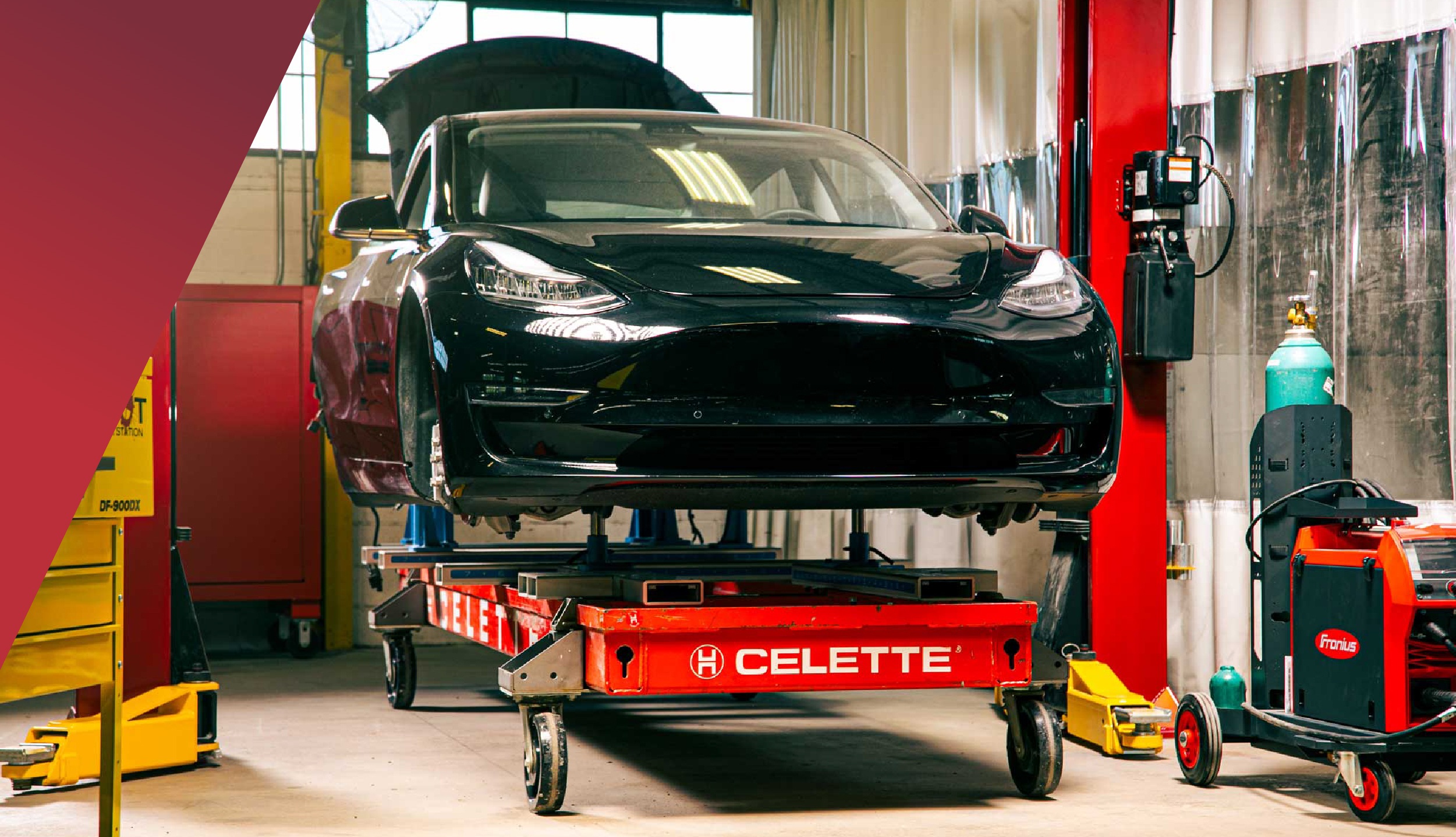
A dead EV can’t just be pushed on and off like a gas car in neutral. A lot of them lock the parking brake electronically, so the driver needs a winch, maybe dollies, and extra time. None of that is a big deal when he knows ahead of time. If he finds out at pickup, you’re probably looking at a reschedule and a different truck.
Same thing if the battery has been damaged or there’s an open recall on it. Mention it early. Carriers can turn down a car whose battery has been through a fire or a flood, and you’d much rather have that conversation before the truck is on its way.
Open or Enclosed
 Credit: ZEVA Global
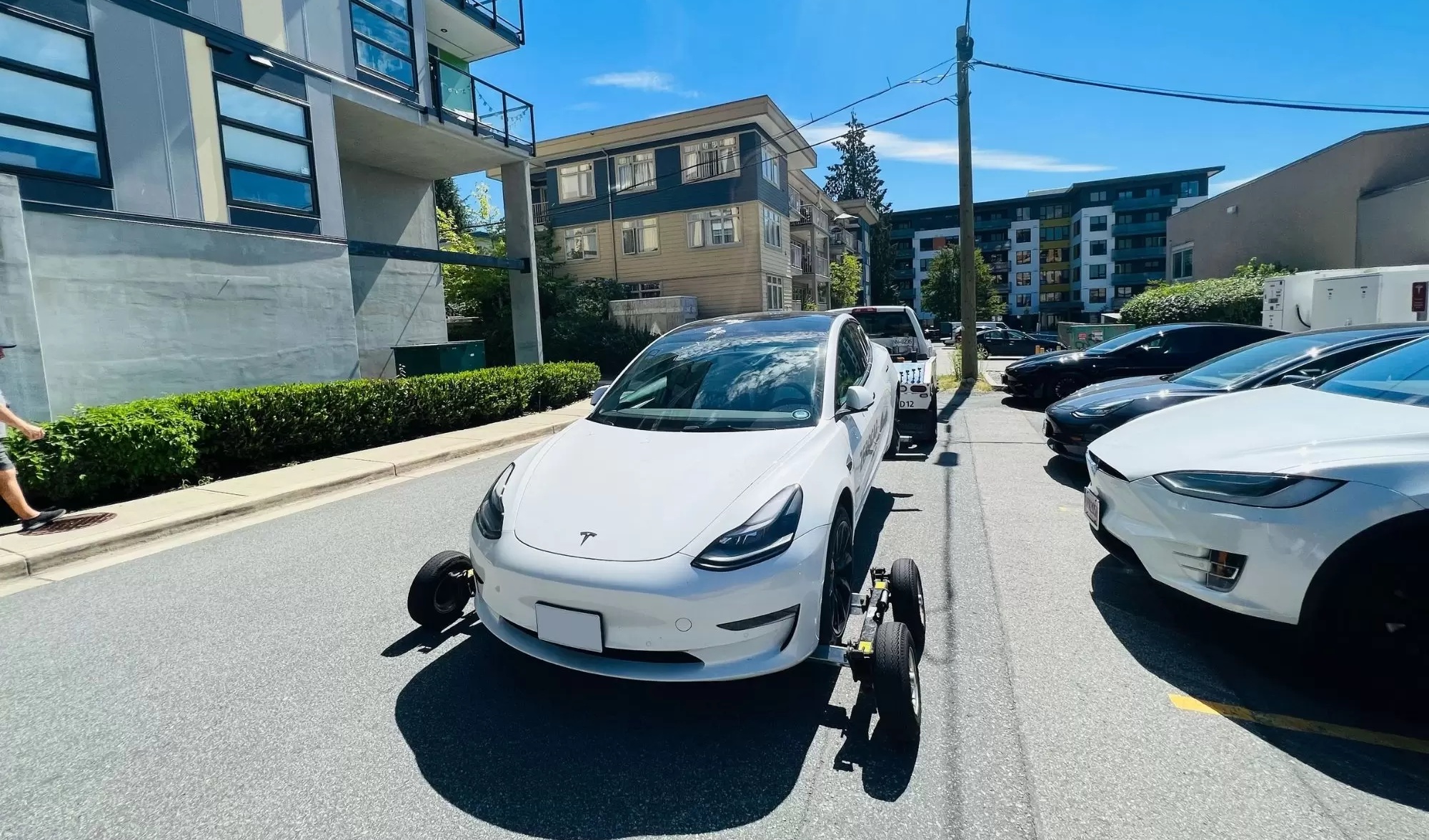
Open transport is the default, and it’s fine for most electric cars. It’s cheaper, and since there are way more open trucks on the road, pickup is usually faster.
I pay for enclosed when the car is new, expensive or hard to find parts for, and right now that covers a lot of the EV market. Body panels and sensors on these cars aren’t cheap, and parts can take weeks to arrive, so the price difference often pays for itself. Winter is my other reason, since a closed trailer keeps snow and road salt off the car the whole way. I always price both on the same route before deciding, and the quote page I use for EV car shipping shows the open and enclosed prices side by side, which makes the comparison easy.
The Last 300 Feet
 Credit: Texas Pride Trailers
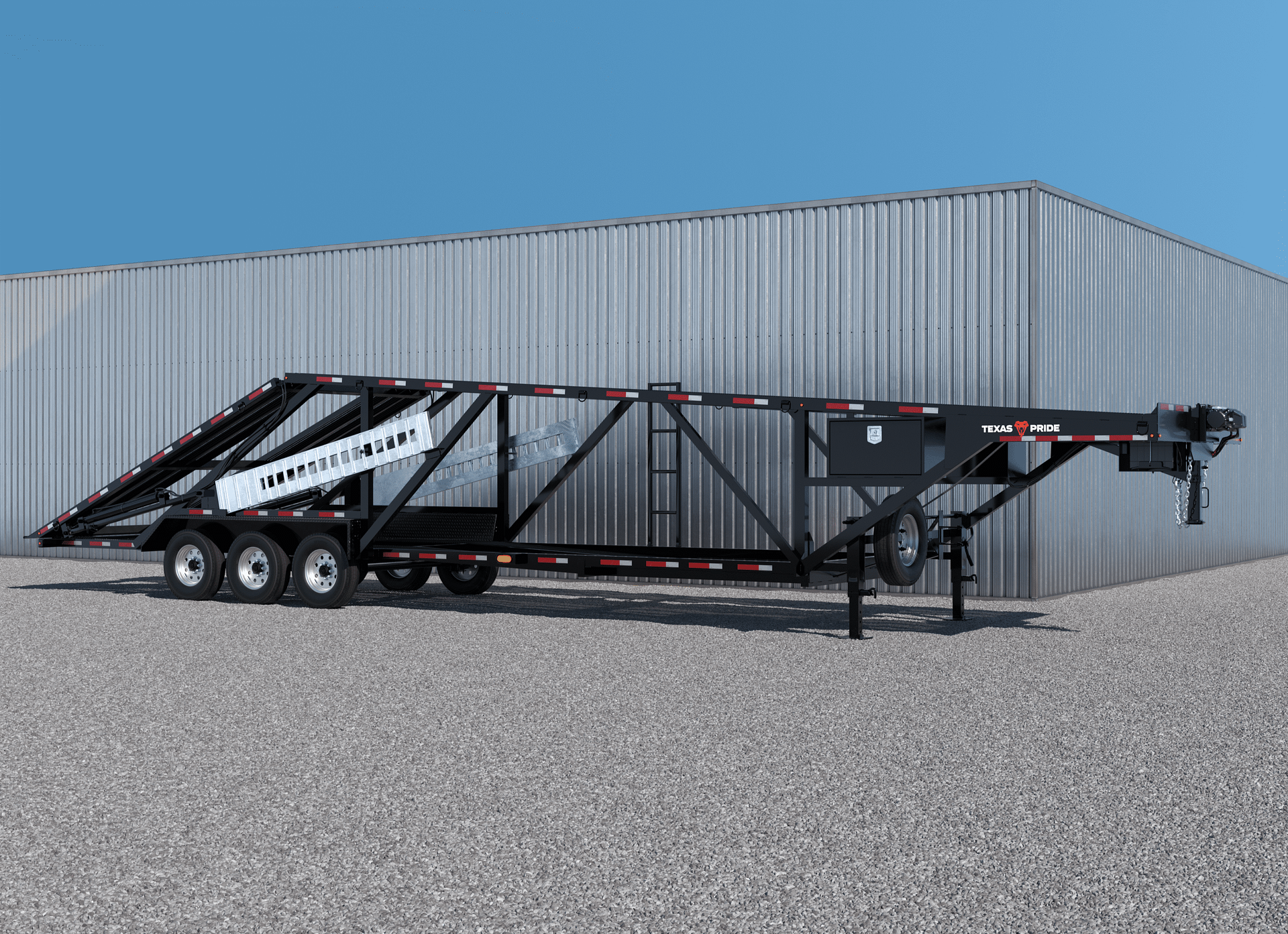
A full-size car hauler runs close to 80 feet long. It can’t turn into most residential streets, and a lot of towns won’t let it try. Expect the driver to call ahead and ask you to meet him on a wide road, in a shopping center parking lot or somewhere similar nearby. That’s normal, and it doesn’t mean the door-to-door service fell through.
Be ready for that handoff. Bring the key and your phone, and walk around the car with the driver before signing anything. Take your own photos at pickup and at delivery, in daylight if you can. With an EV I also snap a picture of the charge percentage on the screen both times, so there’s never any question later about how much battery it arrived with.
The Short Version
Shipping an EV isn’t complicated, and apart from the battery, very little of it is different from shipping any other car. Charge it to about half, put it to sleep, be upfront about the weight, empty the trunk and know where you’ll plug in once it arrives. Do that, and the whole thing should be pretty uneventful.