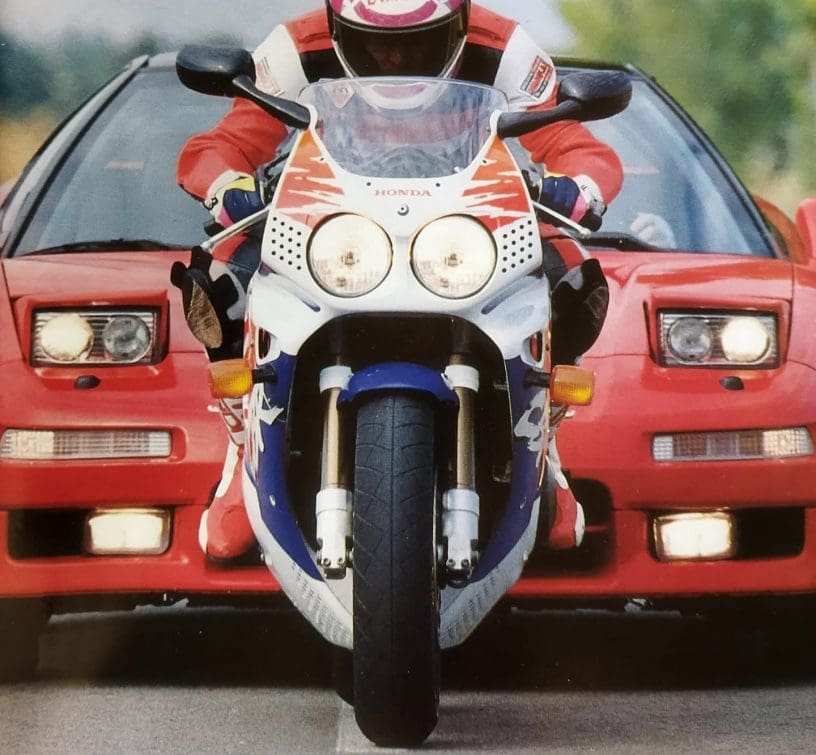
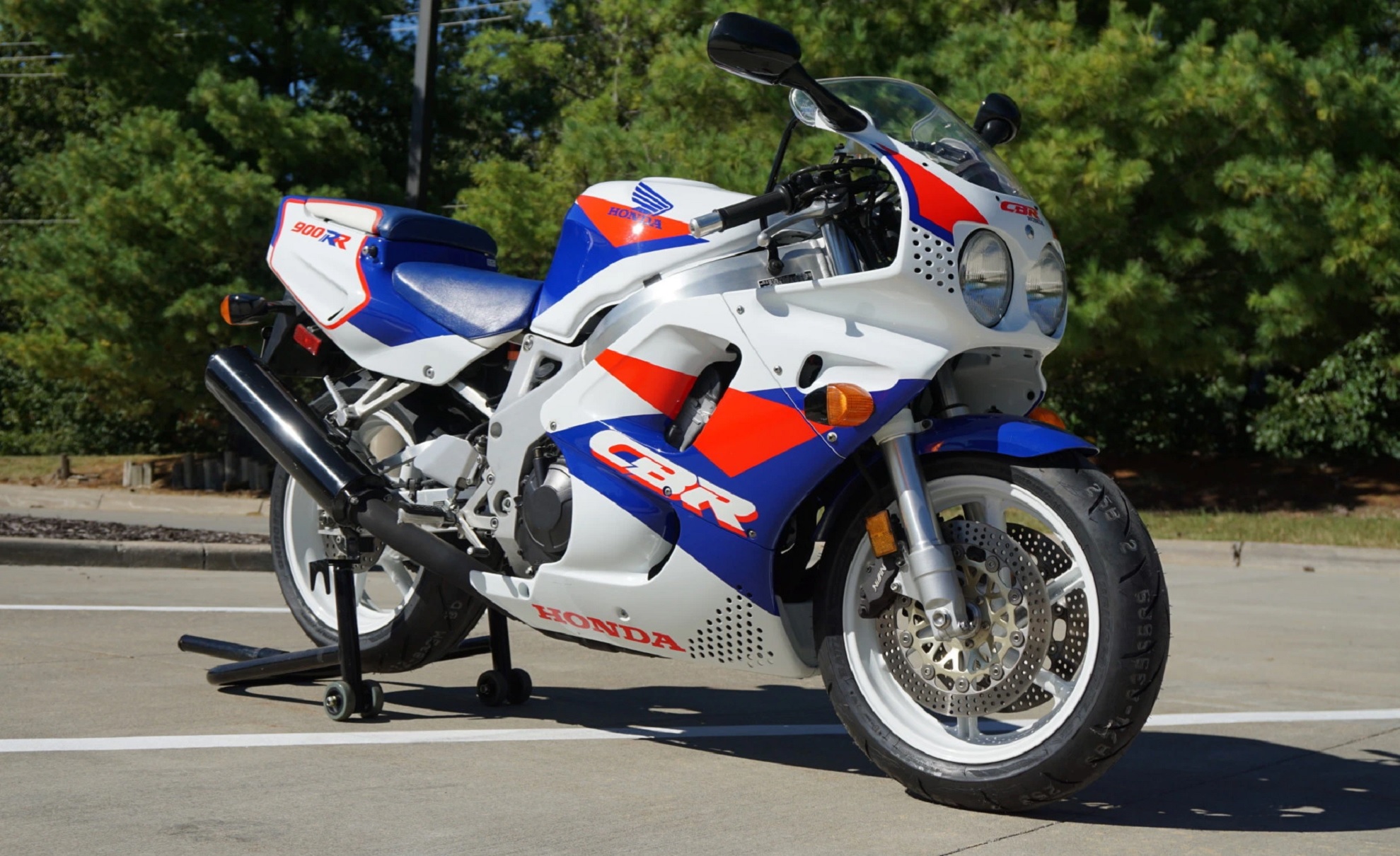
Back in 1992, an open-class superbike was a big, heavy thing. You bought a Suzuki GSX-R1100 or a Yamaha FZR1000 for the horsepower and accepted that hustling one through tight corners felt a bit like moving furniture. Honda had a different idea. Its CBR900RR gave away displacement and power to those bikes and still beat them on the road, on the racetrack and even at the drag strip. When Cycle World’s managing editor came back from his first ride, his verdict was “This thing is an 1100 in a 600 chassis.” Not a bad way to describe the bike that ended up shaping nearly every superbike built since.
The Superbike Problem in the Early 1990s
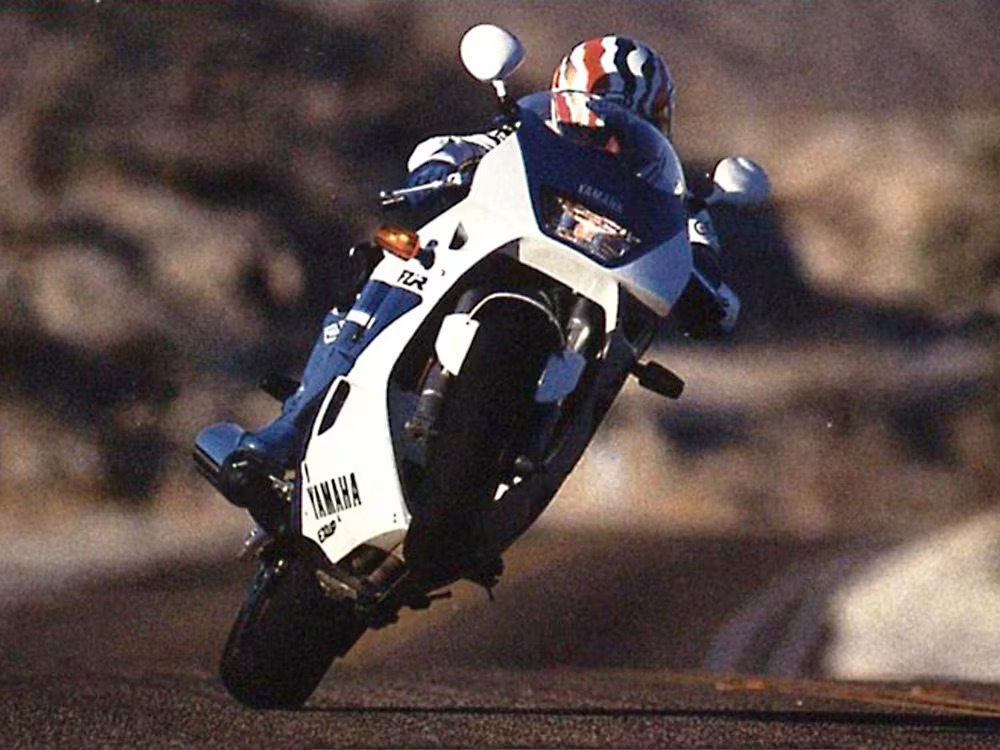 Credit: Cycle World
Superbike racing at the time was a 750cc game, so most manufacturers poured their sporting effort into 750s. The bigger bikes were flagships, built to win spec-sheet battles and top speed contests. They were quick, no argument there. They were also heavy, with MCN putting the GSX-R1100 at 231 kg (509 lb) and the FZR1000 EXUP at 209 kg (461 lb).
All that mass showed up the moment the road started to bend. Long wheelbases kept these bikes calm at triple-digit speeds, but on a tight canyon road they needed muscle and some planning. Honda didn’t obviously need a new flagship either. The VFR covered the 750 side of the lineup and the CBR1000F already filled the role of big, comfortable sportbike. One engineer in Honda’s R&D department thought the whole class was heading in the wrong direction anyway.
Tadao Baba and the Total Control Idea
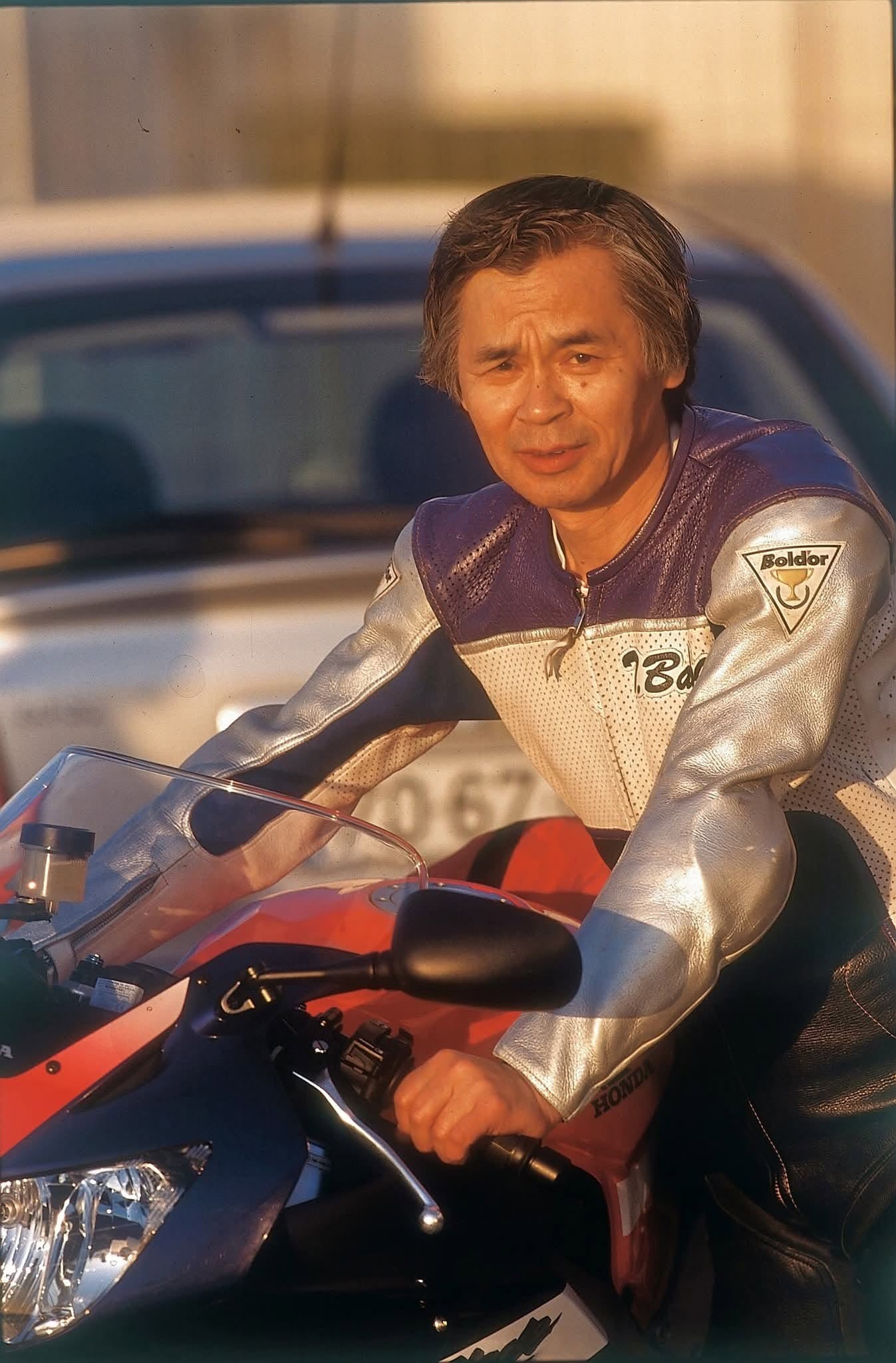
Tadao Baba joined Honda straight out of high school in 1962, at 18, and he loved riding sportbikes, which explains a lot about what came next. His concept for the new bike was “Total Control.” Honda’s own history describes it as a bike that let riders enjoy sports riding to the fullest, and Baba wanted it to feel as easy to handle as your own arms and legs.
The project actually started around a 750cc engine and was known internally as the CBR750RR. Baba wasn’t convinced. Honda already had the VFR in that class, and a full liter was ruled out because of the CBR1000F, so he kept the compact chassis of a 750 and lengthened the stroke of the same engine to get 893cc. Honda even tested a 749cc version before committing to the bigger one.
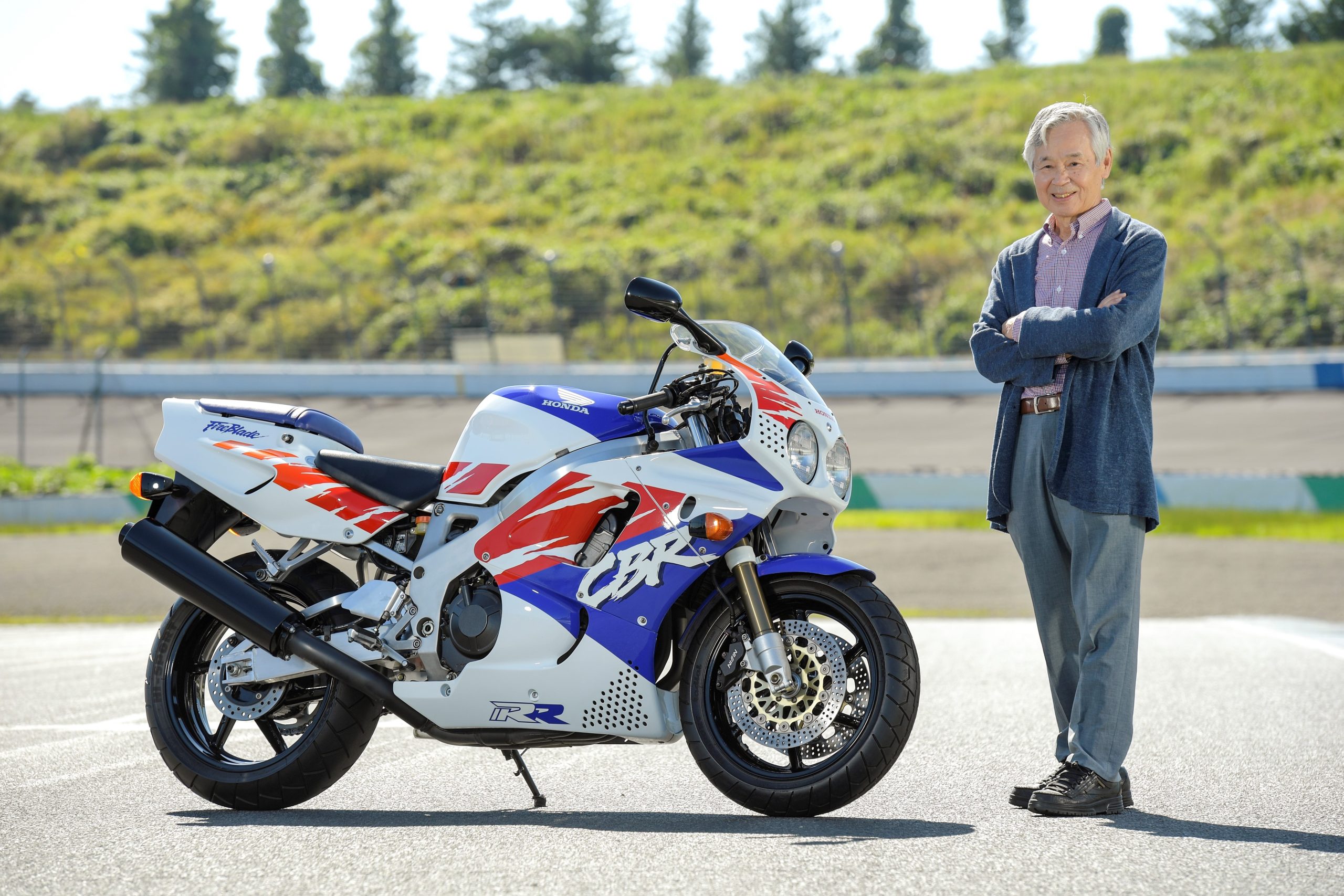
It was a gamble, and a real one since no race class existed for a 900, so Honda couldn’t lean on the old “win on Sunday, sell on Monday” logic. Baba was betting riders would buy it simply because it was better to ride.
Since weight was the obsession, Honda equipped the Fireblade with an aluminum twin-spar frame, conventional 45 mm forks dressed up to look like upside-down units, and a 16-inch front wheel when everyone else had moved to 17 inches. Development took more than three years. Honda claimed 185 kg (408 lb) dry, and said the bike was about as light as its own CBR600F2.
What It Was Like to Ride in 1992
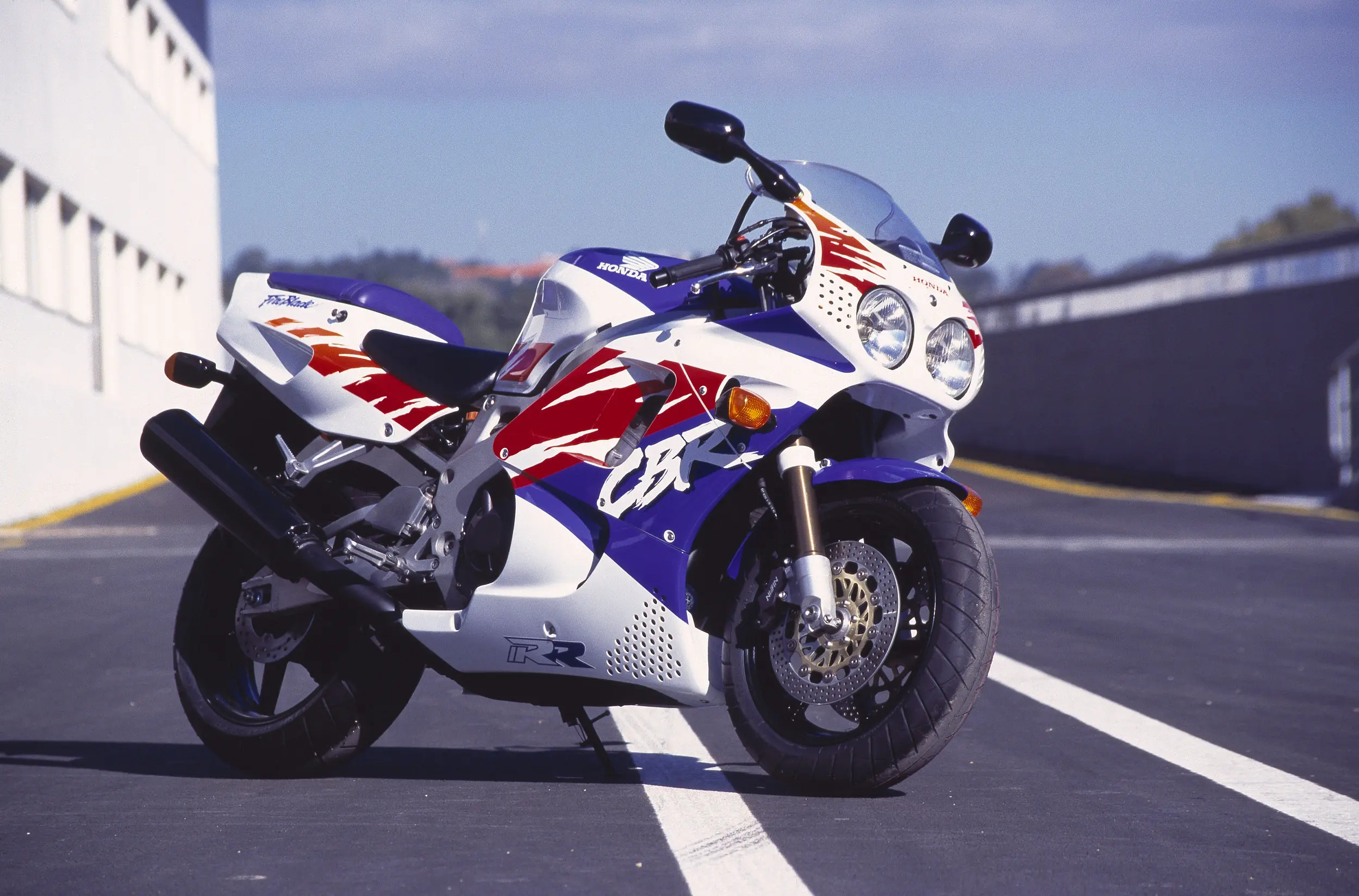 Credit: Honda
On paper, the CBR900RR didn’t look like a giant killer with its 122 horsepower at 10,500 rpm, and when Cycle World put it on the dyno for a May 1992 comparison, it made 114 hp at the rear wheel. Both the GSX-R1100 and the FZR1000 cleared 120, and the Honda lost on torque too.
None of that mattered much. On Cycle World’s scales the CBR weighed 196 kg (432 lb) dry, which was 34 kg (76 lb) less than the FZR and 43 kg (94 lb) less than the Suzuki. At Willow Springs it lapped more than a second quicker than both rivals. At the drag strip it ran the quarter mile in 10.59 seconds at 213.6 km/h (132.7 mph) and beat them again. Only the radar gun went the other way, where the Yamaha came out on top and the Honda tied the Suzuki at 256 km/h (159 mph).
Steering was what riders noticed first; thanks to its short wheelbase, steep rake, and that little front wheel meant the bike dropped into corners almost instantly. Testers said it could feel busy and shake its head over bumps without ever getting out of shape, and that nervous edge became part of the legend. Honda’s fix for 1994 was to add compression damping to the fork rather than give up on the 16-inch wheel. Average-size riders found it surprisingly comfortable, though passengers got a raw deal.
Outside the US the bike wore the FireBlade name, which Bennetts traces to a mistranslation of the Japanese word for lightning. American Honda passed on it. Here it was simply the CBR900RR, technically a 1993 model, listed at $8,299.
How the Fireblade Changed the Competition
 Credit: Bring a Trailer
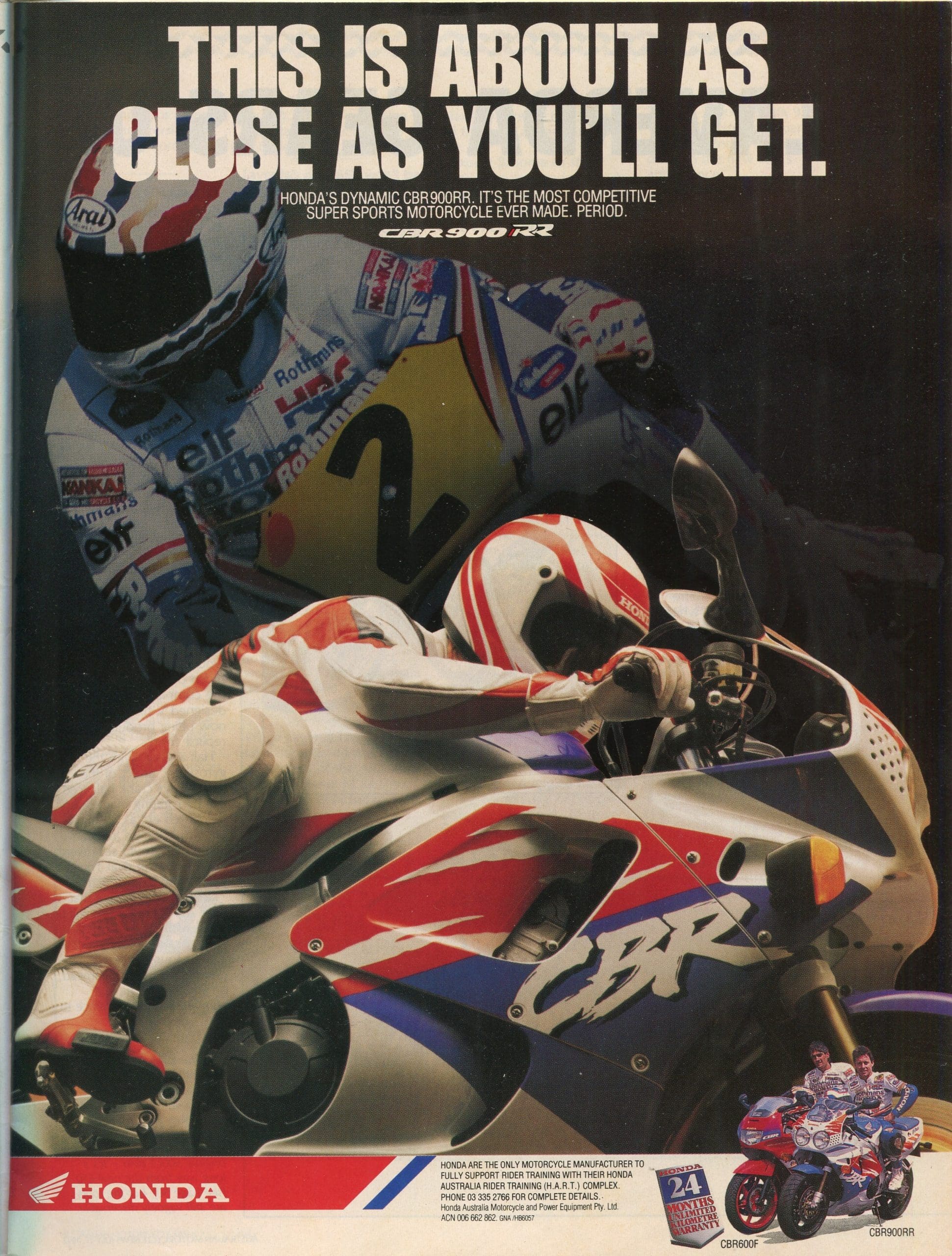
For a while, oddly, nobody answered as the other manufacturers stayed focused on 750s because that’s what the racing rules rewarded, and four years after launch Honda still had no serious rival in the class. That gave the Fireblade a long run at the top of the sales charts.
Yamaha finally hit back in 1998 with project leader Kunihiko Miwa. He had a simple target: beat the FireBlade, which is why the YZF-R1 ended up at 998cc. It made a claimed 150 horsepower and weighed 177 kg (390 lb) dry. Honda had spent those years softening the Blade with taller bars, a higher seat and more wind protection, and the R1 caught it looking more like a sport tourer than a sportbike.
Yamaha was copying weight, compact dimensions, and an engine you could use on the road became the formula for every liter bike that followed. Baba’s recipe won even when his bike didn’t.
From 900RR to Today’s Fireblade
 Credit: Honda
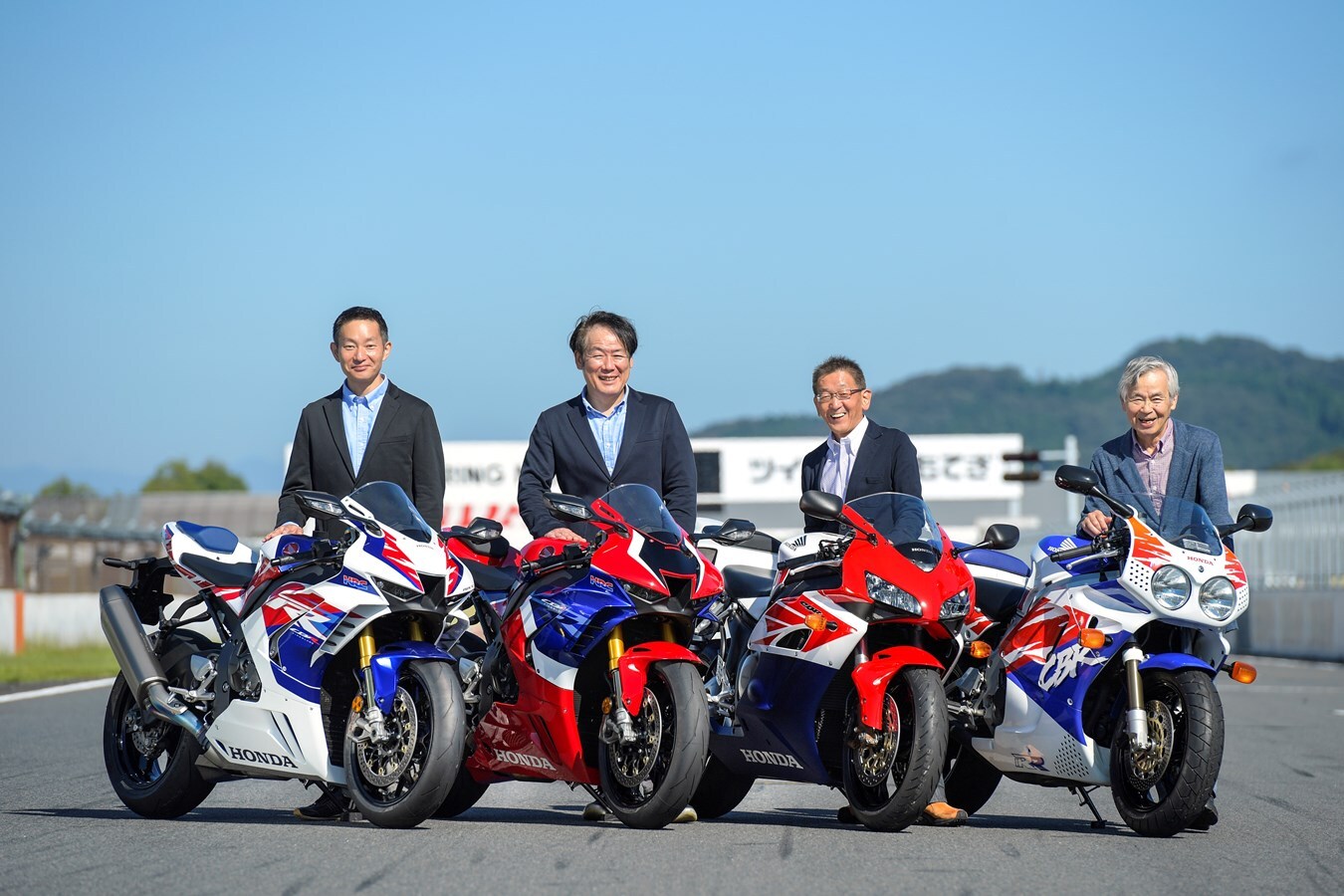
The original 893cc bike ran through 1995 and picked up the “fox eye” headlights in 1994. Displacement grew to 918.5cc for 1996, and the 1998 version made 128 hp. The real reset came in 2000 with the 929cc model, which brought fuel injection, finally swapped the 16-inch front wheel for a 17-inch one and dropped to 170 kg (375 lb) with 151 hp. Then came the 954cc bike of 2002, the last Fireblade Baba oversaw. He liked it enough to keep one in his own garage.
 Credit: Moto Deal
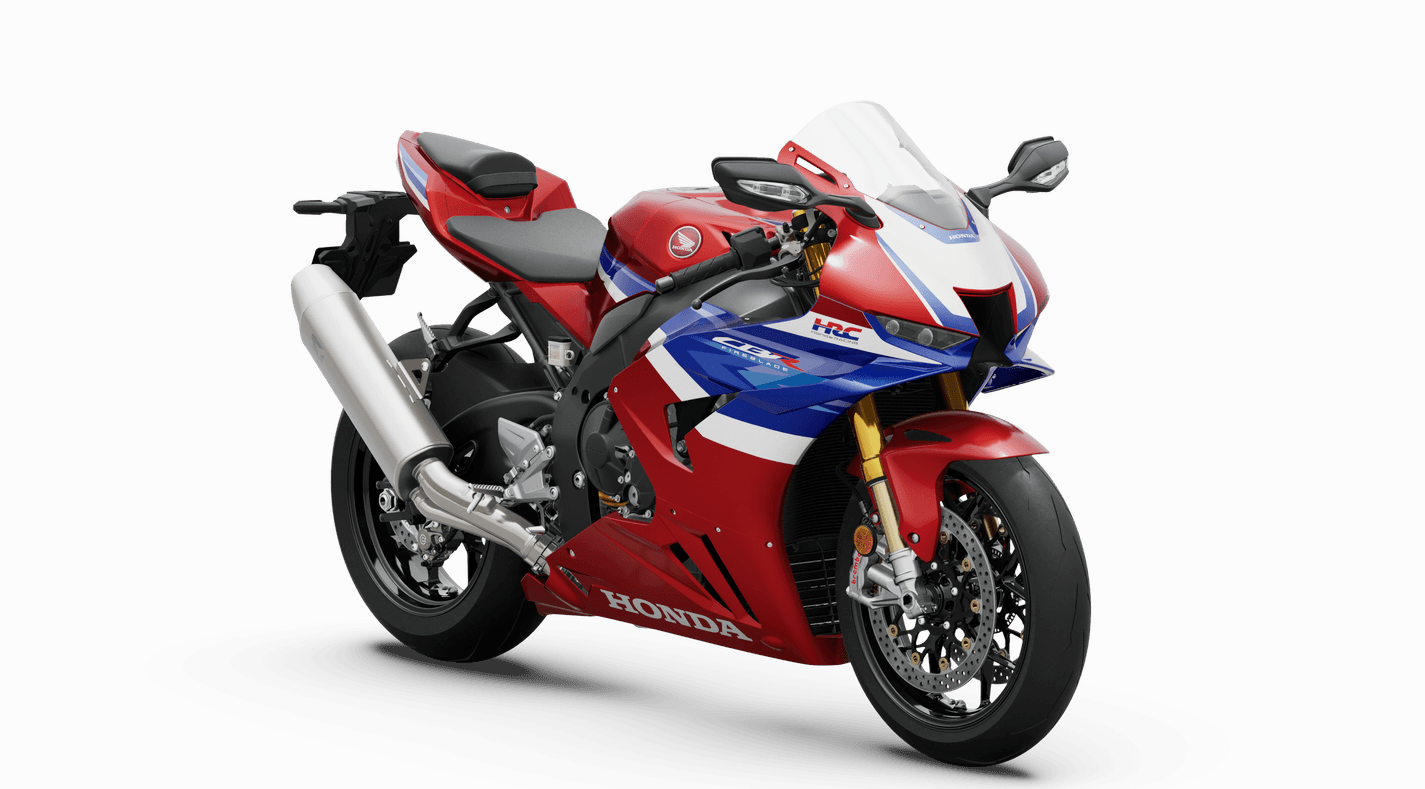
Baba retired in 2004, and that year’s all-new CBR1000RR leaned heavily on HRC and Honda’s MotoGP program, and fans still like to point out that the capital B in FireBlade turned into a lowercase b once he was gone. The name carried on through the CBR1000RR-R that arrived in 2020.
As for the original, MCN called the round-headlight 1992 and 1993 bikes future collectors’ items years ago, and today’s buyers tend to want them with the stock 16-inch wheel still in place. Funny how the part everyone complained about is now the part they want to keep.