

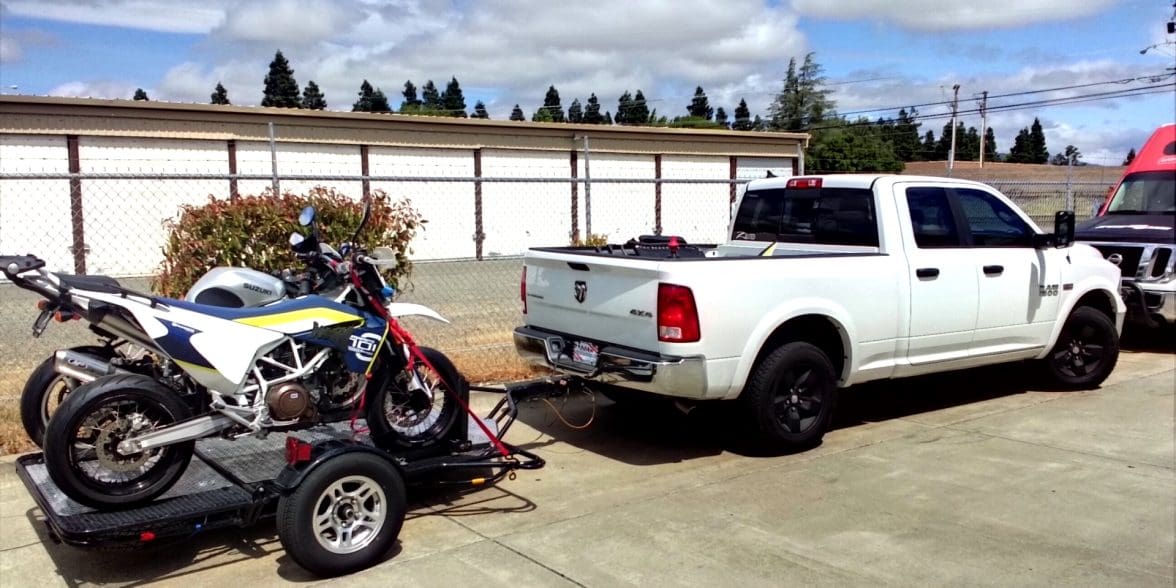
Late afternoon, two hours from home, the bike is strapped down and you’re finally moving. The ride was good, the kind of good where you don’t want to talk about it yet, just sit with it. You stop for gas, catch a glimpse of the truck’s interior through the window, and think yeah, I’ll deal with that later. Later becomes next weekend. Next weekend becomes next month. The truck gets used hard and cleaned never, and somewhere in the back of your mind you know this is going to catch up with you eventually.
The Vehicle You Ignore
 Credit: Reddit
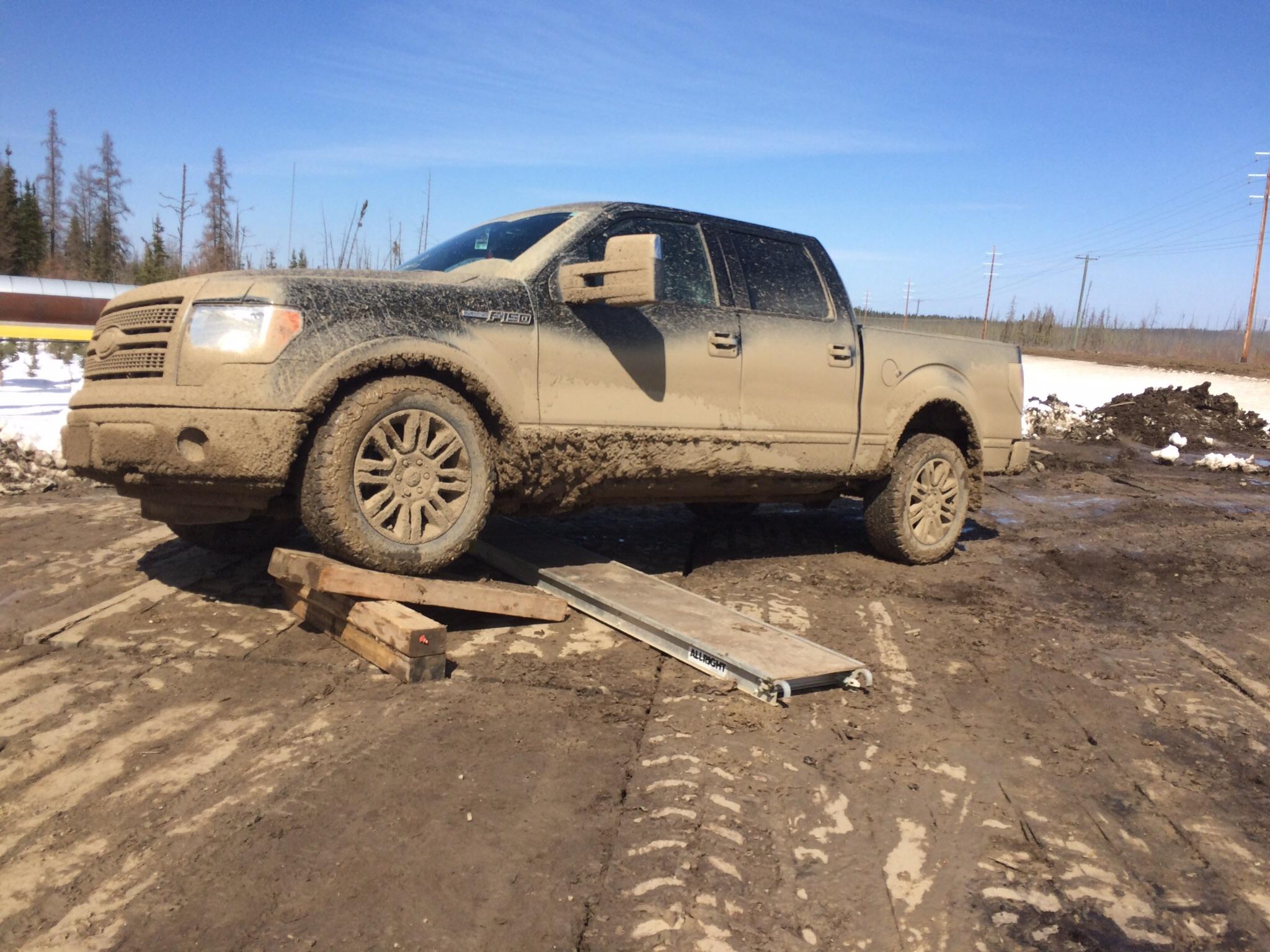
Riders who haul have a habit that’s almost universal. The bike gets washed after every ride, chain cleaned, controls wiped down, any new scratches assessed and grieved over appropriately. The truck gets whatever energy is left over, which after a full day on the trails is approximately none.
That’s understandable. The bike is the point. The truck is just logistics. But there’s a version of this attitude that costs real money, and it plays out the same way every time. You go to sell or trade in the truck after a few years of hard use, someone walks through it with the kind of eyes that see everything, and the conversation lands on the floor. It always lands on the floor.
What Hauling Actually Does to a Truck Interior
 Credit: The Autopian
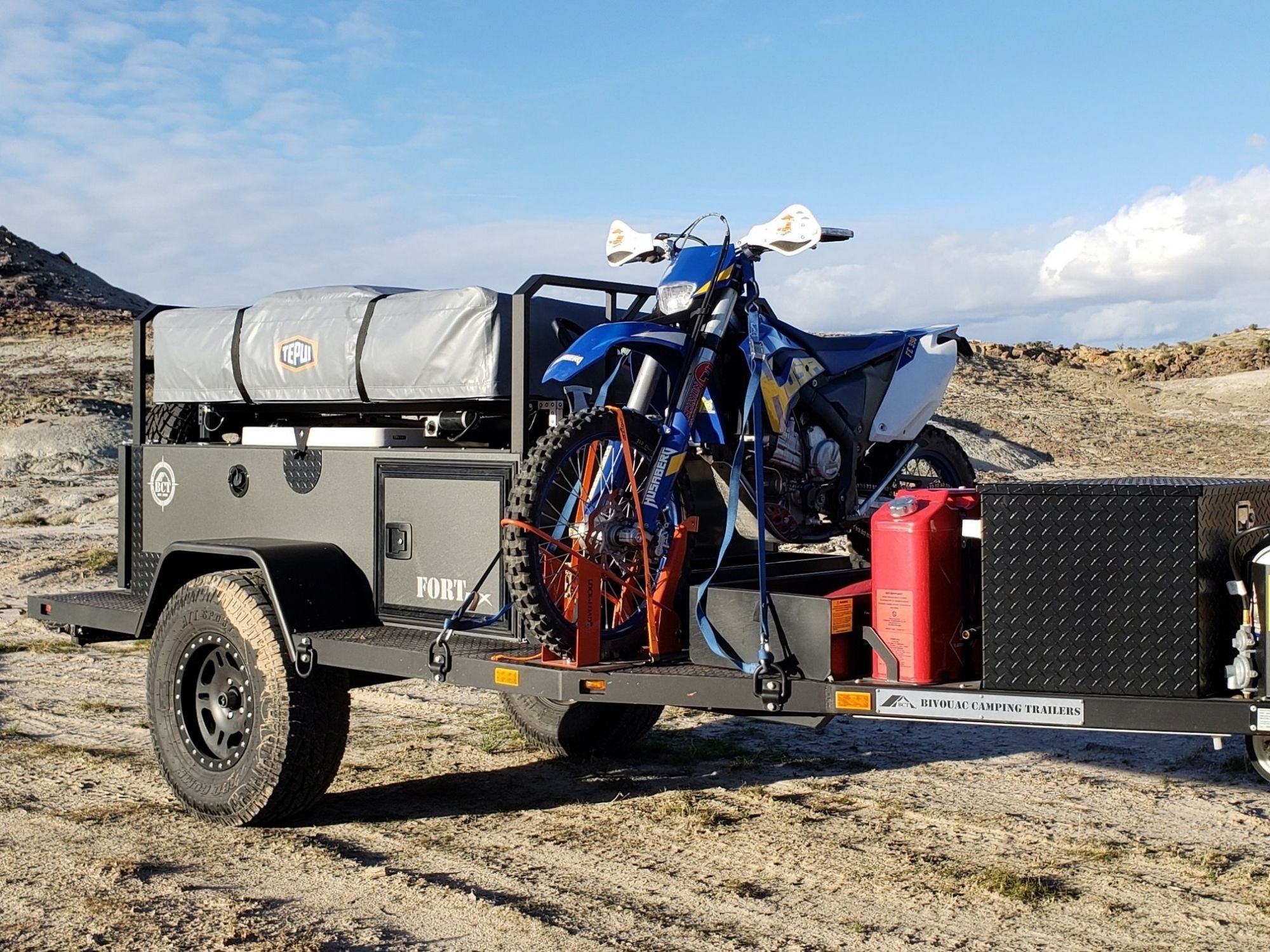
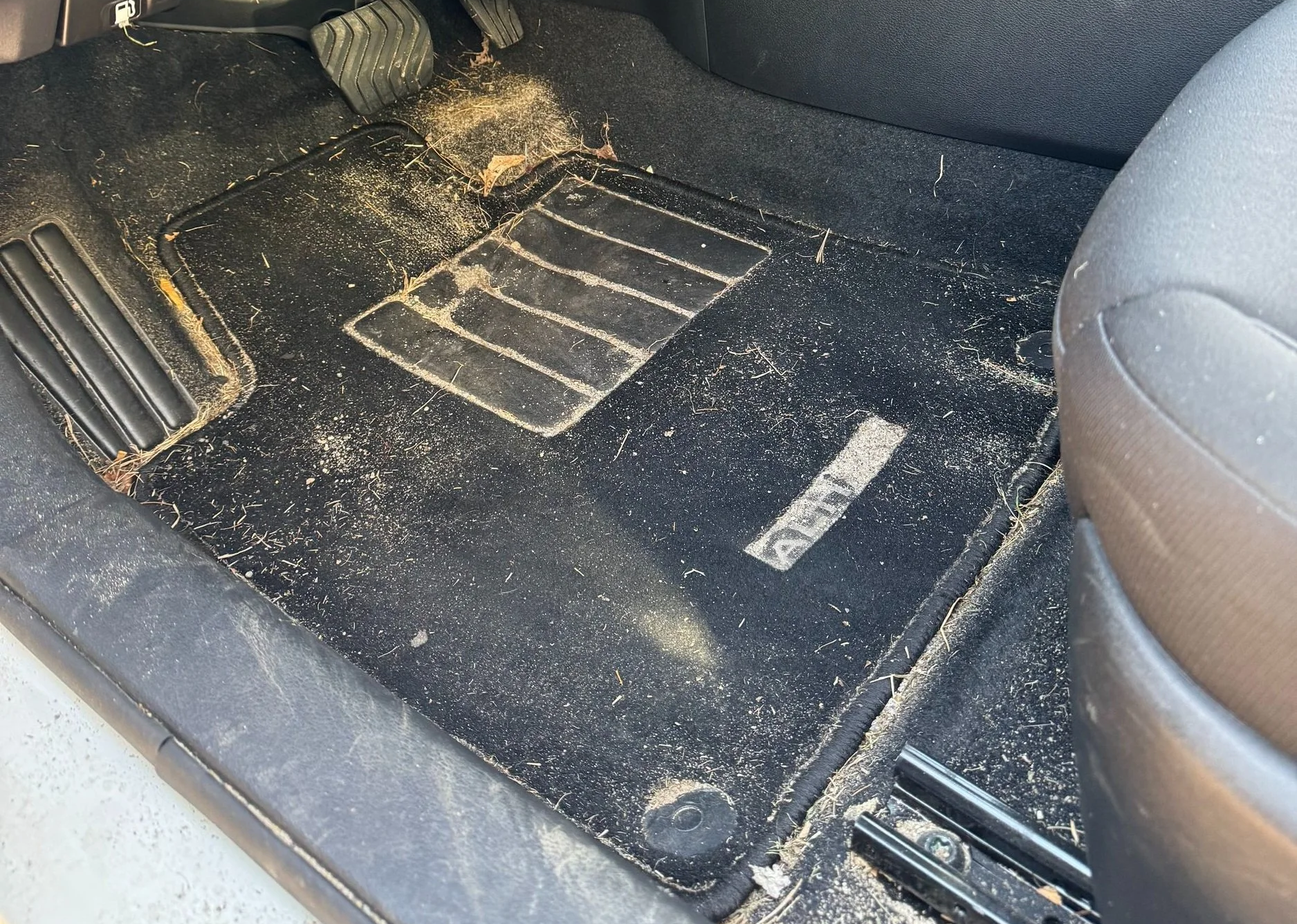
The damage isn’t dramatic, that’s why it’s so easy to ignore. It builds up across weekends, across seasons, in ways that are individually forgettable and collectively brutal. Boots are the main culprit. Whatever the trail was made of that day comes home with you in the treads of your boots and gets deposited directly into the footwell. Mud dries, gets ground into the carpet fibers, and starts behaving like a mild abrasive every time you move your feet.
In winter it’s salt and slush, which is worse, because salt doesn’t just stain, it degrades. A single bad weekend can leave residue that takes multiple cleaning attempts to deal with, and that’s assuming you notice it while it’s still fresh rather than two weeks later when it’s had time to set.
Beyond the boots there’s everything else. The helmet that rides in the back seat because there’s nowhere better to put it. The jacket that got balled up and shoved on the floor after the ride. The hydration pack that leaked at some point. The fuel can that didn’t seal quite right and left a smell that three air fresheners haven’t fixed. A chain that dripped oil onto something before you noticed. None of it is a catastrophe on its own. Add it up over a season and you’ve got a carpet that looks considerably older than the truck it belongs to.
The financial side of this is pretty simple. A protected interior holds resale value. A worn, stained one doesn’t. That gap, depending on the truck’s age and how hard it’s been used, can be meaningful enough to sting when you’re sitting across from someone making you an offer.
Why the Mats You Have Aren’t Doing the Job
 Credit: CB Detailing
Factory carpet mats are designed for normal use, which hauling bikes is not. They absorb moisture rather than shedding it, which means whatever came in on your boots is sitting in the mat soaking through to the carpet underneath. The coverage is approximate rather than precise, leaving the edges of the footwell, exactly where water and mud tend to run, completely exposed. And they shift. Not dramatically, just enough over time that they’re no longer covering what they’re supposed to cover and you don’t notice until you pull them out and see the state of the carpet underneath.
The universal rubber mats from the auto parts store solve part of the problem. They don’t absorb, which is genuinely better. But they don’t fit, and fit is most of the job. A mat that doesn’t match the actual shape of your truck’s floor leaves gaps at the edges, moves around under your feet, and in a truck that’s actively towing something, a mat that’s migrated toward the pedal area is not something you want to discover at speed.
The other issue is containment. A flat mat, even a rubber one that fits reasonably well, doesn’t actually hold anything. Liquid finds the lowest point and runs off the edge onto the carpet you were trying to protect. You’ve added a layer between the mess and the floor without actually stopping the mess from reaching the floor.
What Actually Works
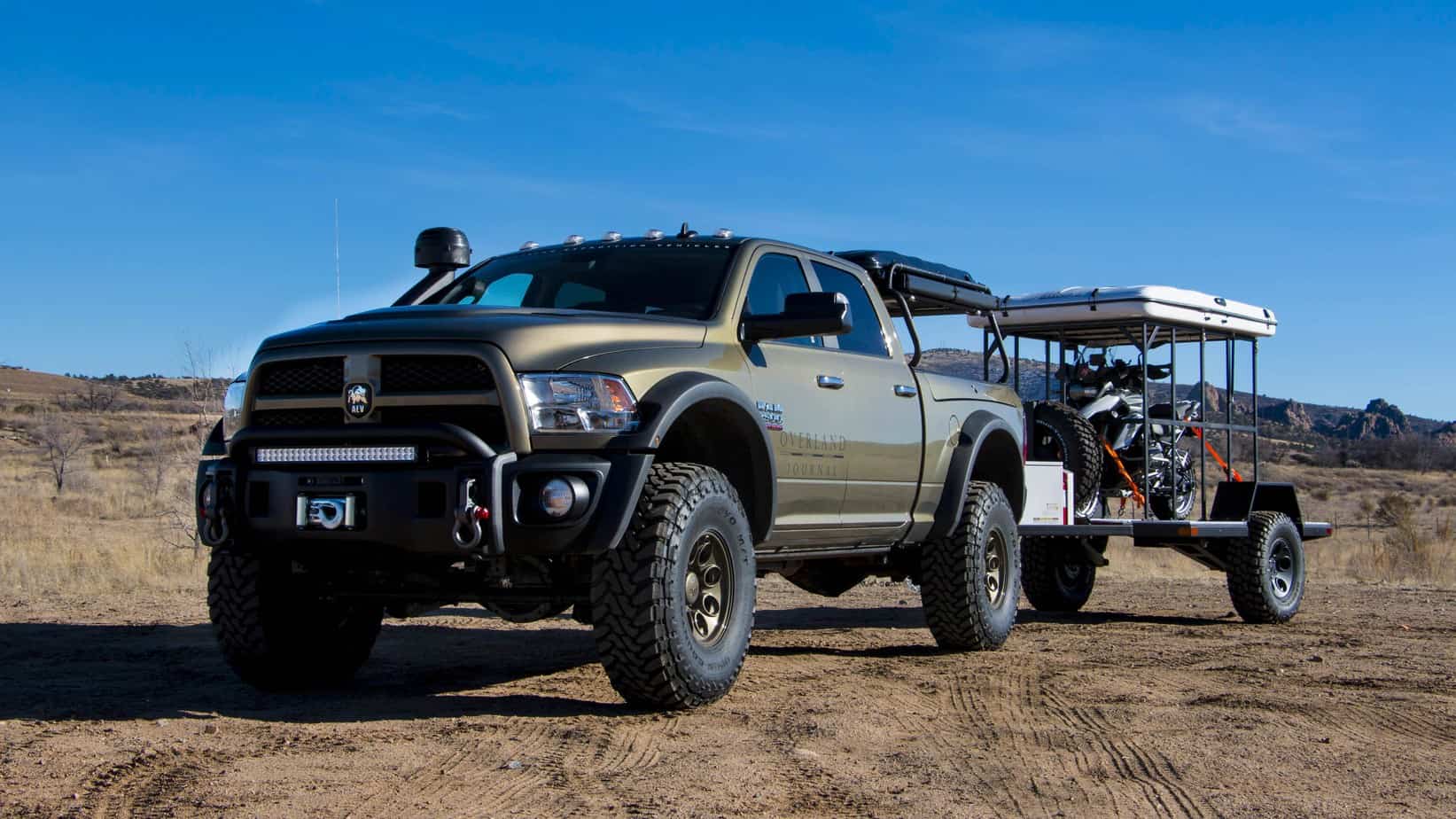 Credit: Expedition Portal
A floor mat that’s laser-measured for your specific truck covers the real footwell, not an approximate version of it. That means the edges, the raised sections around the console base, the awkward corners that universal mats always miss. When the fit is right the mat doesn’t move, which matters more than people think until they’ve driven a long stretch of highway with a trailer behind them and felt something shift under their left foot.
Raised lips are what actually do the containing. Mud hits the mat, water pools at the edges, and it stays there until you pull the mat out and deal with it. The material matters here too. The better liners use something heavy enough that it doesn’t flex and gap under load, non-absorbent, and easy enough to clean that you’ll actually clean it. Pull it out, hose it down, let it dry, put it back. That’s it. That’s the whole maintenance ask for a truck that gets used the way a hauling truck gets used.
Somewhere in the garage right now there’s probably a bike that got more attention this weekend than the truck that carried it there ever has. That’s fine. That’s how it should be. The bike is the reason for all of it.
Conclusion
The truck is what makes the bike’s whole life possible. The early morning departures, the long drives to places worth riding, the late returns with good tired in your legs and the trailer empty behind you. It does that job every time without asking for much back.
A liner that fits right and cleans up in five minutes is about the smallest return on that investment you could make. Probably worth it.