

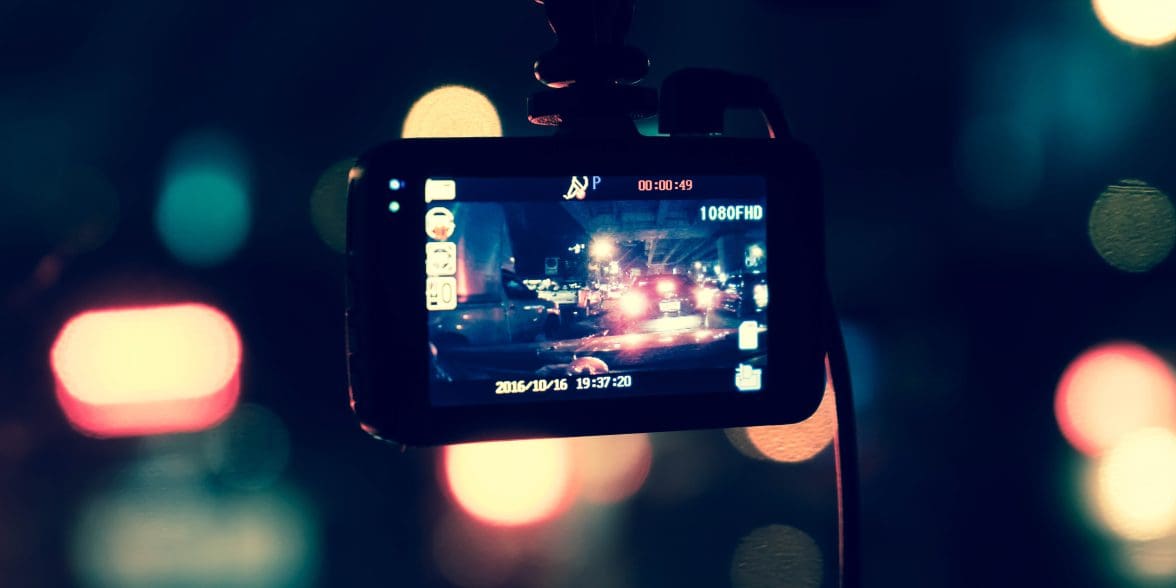
You’re on the highway, maybe twenty minutes from home, traffic moving fine, nothing unusual about the car that’s been sitting in front of you for the last few miles. Then it brakes hard for no reason you can see, and by the time you’ve stopped and your heart has caught up with what just happened, the other driver is already out of his car and looking angry.
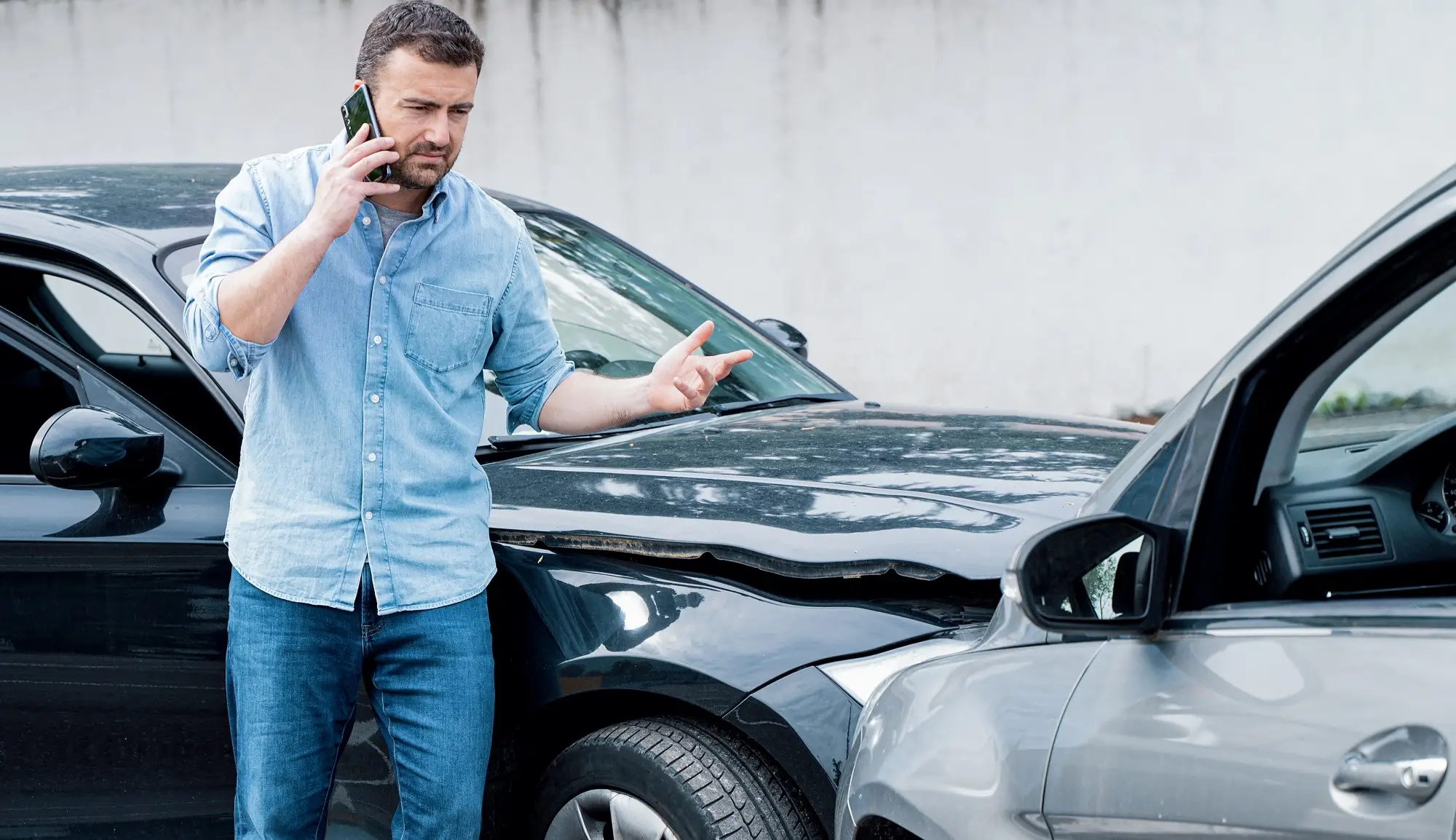
There’s a dent on his bumper that you’re now not sure was there before. His passenger is already on the phone. That feeling you have, where something is off but you can’t quite name it, that’s the right instinct. Trust it. You may have just been worked.
You Didn’t Cause That Accident
 Credit: Shutterstock
Staged accidents aren’t a fringe thing. They’re organized, practiced, and in some places essentially professional. The people running these schemes understand exactly how insurance claims work and have built their whole operation around the part where it’s your word against theirs. And the numbers suggest it’s getting worse, not better. The Insurance Information Institute’s analysis of recent industry data found a 58% spike in staged accidents in New Jersey and a 14% increase in New York in a single year. Those aren’t outlier states with unusual problems. They’re a signal of where things are heading nationally.
The most common version is the brake check, which is what the scenario above describes. A driver pulls in front of you and hits the brakes suddenly, knowing you’ll either hit them or come close enough that the situation looks ambiguous. Another one is the swoop and squat, where one car cuts you off while a second blocks you from swerving around the first. There’s also the side swipe, where a driver eases into your lane and then claims you drifted into theirs.
None of these require much skill or planning. They require a car, a willing passenger, and the knowledge that without footage, you’re going to have a very hard time proving anything.
Why Your Word Means Almost Nothing
 Credit: New York Daily News
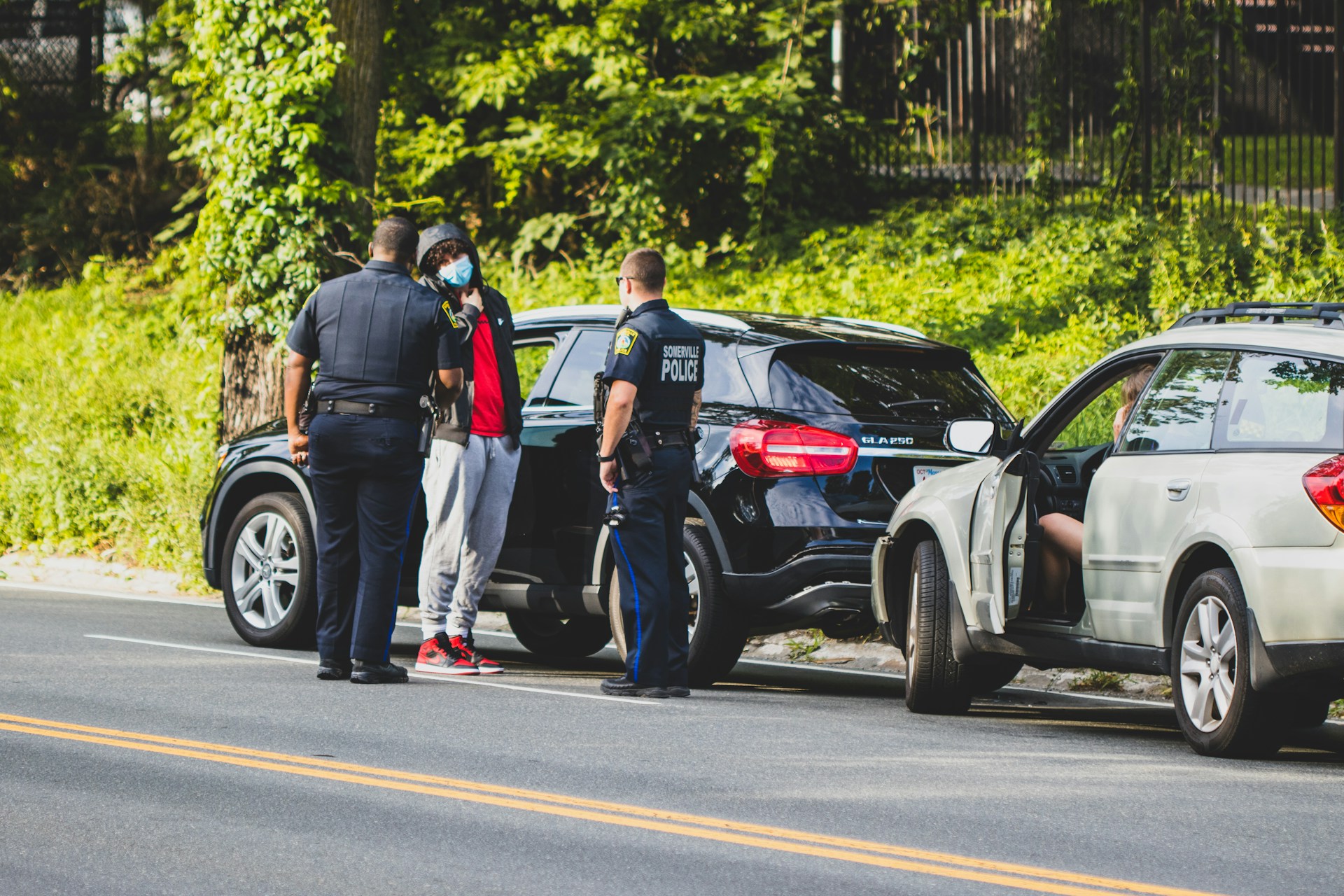
Here’s how an insurance claim works when there’s no camera involved. You give your account. The other driver gives theirs. If there are passengers in the other car, they give statements too, and those statements are going to line up in ways yours won’t, because they rehearsed this and you didn’t. The insurance adjuster isn’t trying to figure out the truth. They’re trying to figure out whose story holds together better under questioning.
Staged accident rings know all of this. They’ve run this play before. They know that a shaken, confused driver who keeps saying “I don’t know, it happened so fast” is going to come out worse than someone who has a calm, consistent, detailed account ready to go. They count on you being flustered. They count on there being no record.
And the cost doesn’t stay with the people being defrauded. The FBI estimates that insurance fraud of this kind costs the average American family between $400 and $700 every year in higher premiums. You’re already paying for this, whether or not it’s ever happened to you directly.
What a Dash Cam Actually Changes
 Credit: Airtasker
Footage doesn’t just help you win an argument. It changes the nature of the argument entirely. An adjuster looking at a clear video of a deliberate brake check isn’t weighing two stories anymore. There’s nothing to weigh. The claim looks very different, and so does any incentive to pursue it.
A good dash cam covers front and rear, because a surprising number of staged incidents involve what happens behind you as much as in front. Resolution matters too. Footage that can’t clearly show a license plate or the moment of contact isn’t going to help you the way you need it to. Red Tiger’s cameras record in sharp enough detail that the things you need to see are actually visible, not just a blur of shapes and brake lights.
Parking mode is worth understanding separately. A lot of hit-and-run damage happens when the car is sitting in a lot somewhere and you’re not in it. Parking mode keeps the camera watching even with the engine off, triggered by motion or impact. It’s the feature most buyers don’t think about until they come back to a dented bumper and no note, and then it’s the only thing they wish they had.
How to Make Sure Your Footage Actually Holds Up
 Credit: Pexels
Buying a dash cam and assuming you’re covered are two different things. There’s a short list of mistakes that turn useful footage into useless footage, and most of them are easy to avoid.
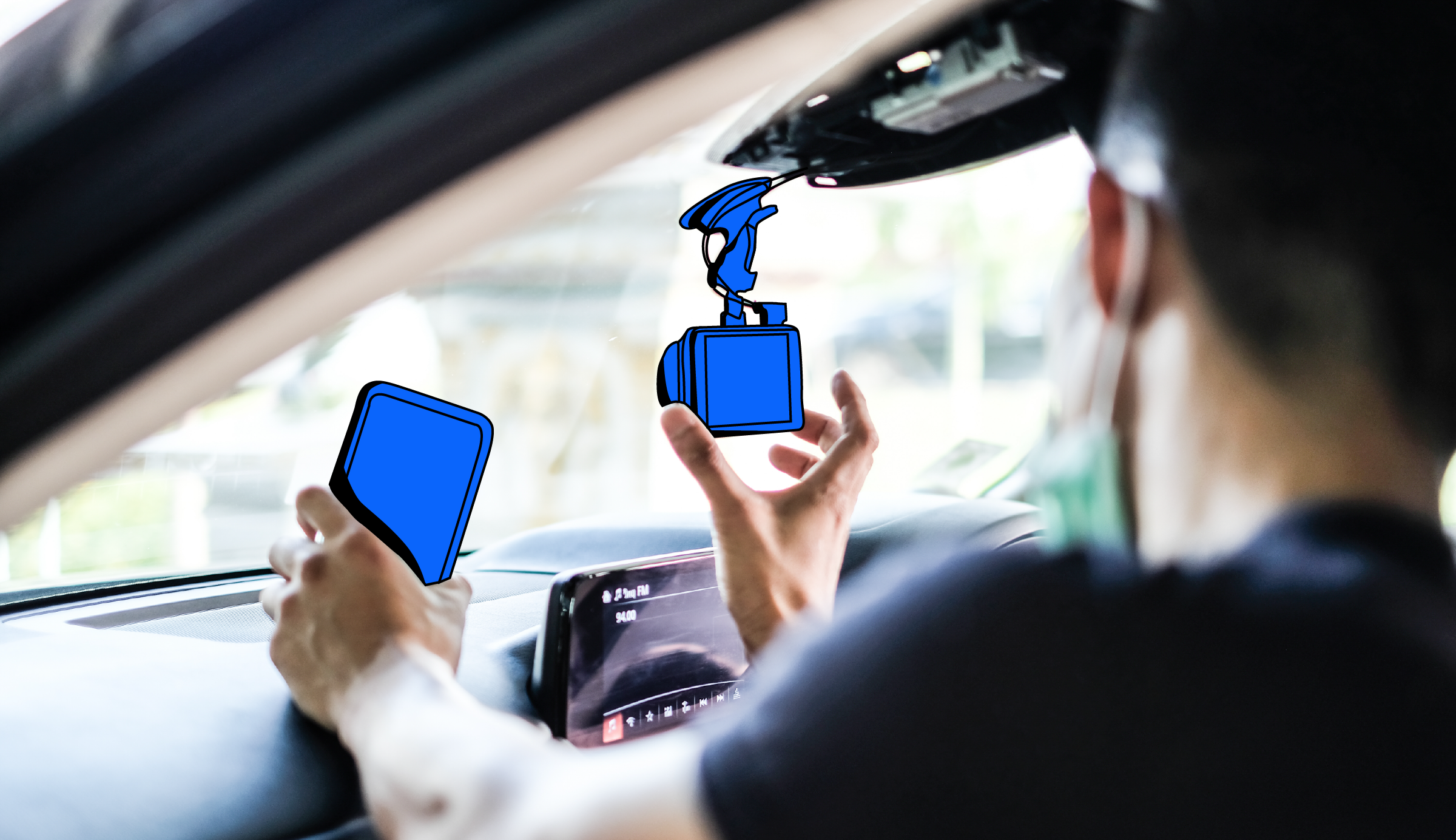
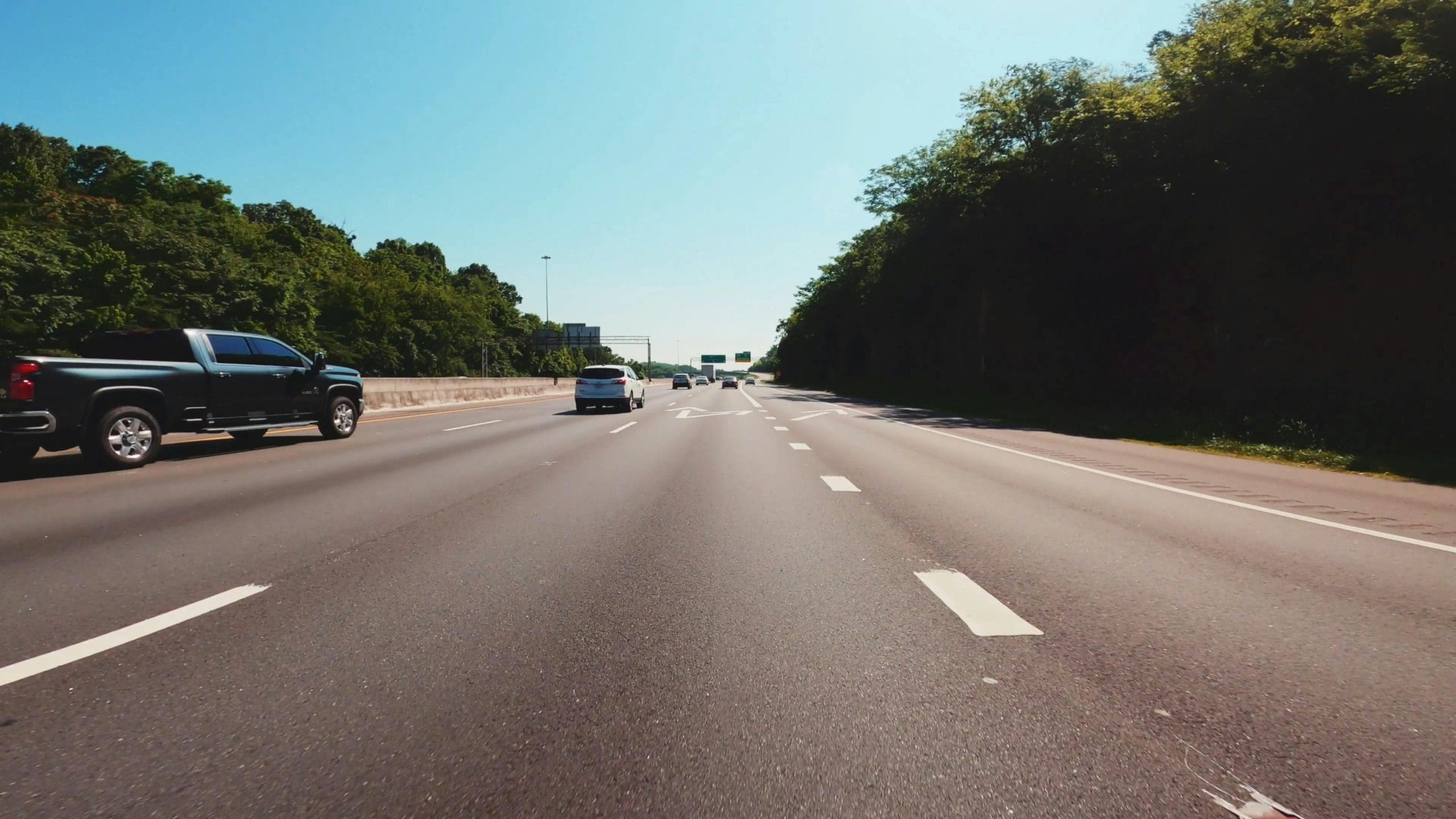
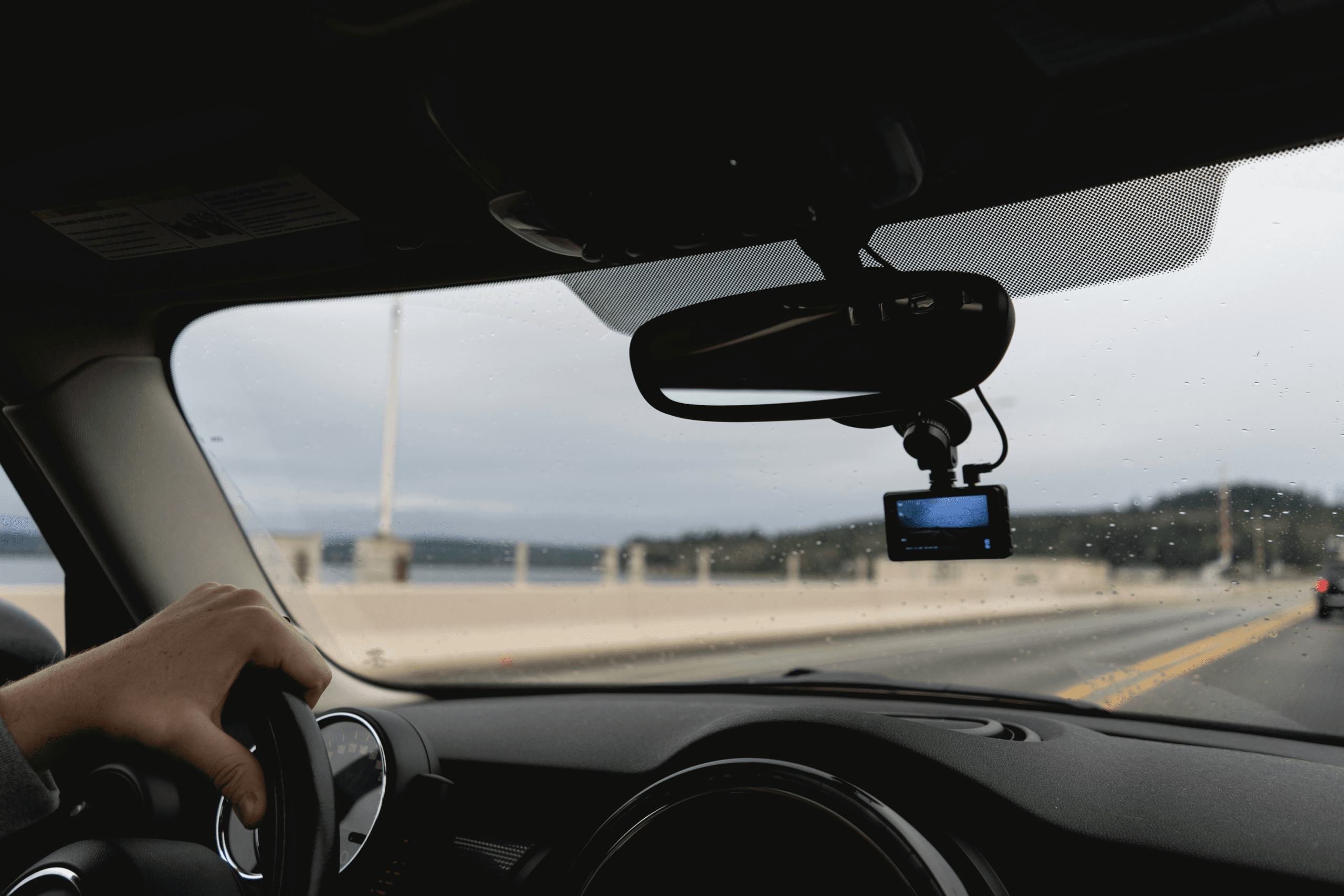
Mounting position matters more than people realize. A camera aimed too high catches a lot of sky. Too low and you lose the horizon and the context that makes footage legible to someone watching it later. Center of the windshield, behind the rearview mirror, angled slightly downward is the standard for a reason.
Memory cards fill up, and most dash cams loop record over older footage automatically, which is fine under normal circumstances. What’s not fine is running a card that’s failing or incompatible and not knowing it. Check your camera’s footage occasionally, not just assume it’s recording. Some cameras have a notification system for this. Use it.
 Credit: Limitless Electronics
After any incident, pull the footage immediately and back it up somewhere. Loop recording will eventually overwrite it. Most cameras have a manual lock function that protects a clip from being overwritten, but the safest thing is to get it off the card and onto your phone or a computer as soon as you can.
There’s a version of this where none of it matters because you go your whole driving life without ever encountering someone trying to run this scheme on you. That’s genuinely possible and I hope it’s true for everyone reading this.
But the people doing this are counting on exactly that attitude. They’re counting on drivers thinking it won’t happen to them, that it’s something that happens to other people in other places, that their own account of events will be enough if it ever comes to that.
A dash cam doesn’t make you a paranoid driver. It just means that if someone decides to make you the mark, they picked the wrong car. That’s a pretty good thing to know before you pull out of the driveway.