


We’d imagine this week’s forecast won’t surprise anyone, but just in case, here’s a list of what’s made the top of the recent headlines:
- Harley-Davidson is hitting the butt end of last year’s operating losses. In our coverage, we go over the results of the cuts the American motorcycle manufacturer has made to their workforce, and the changes that will likely trickle down to Harley’s bikes as a result.
- Yamaha has finally revealed this year’s YZF-R7, and the debut shows off a sweet suite of electronics – the same perks typically found on the R1.
- KTM’s restructuring into 2026 is now accompanied by a recall for their RC390 and 390 Duke over a throttle issue.
- Thanks to a former affiliate, Donut Labs’ battery has been called into question by more than a few industry members.
We’ll leave the bets for last; meanwhile, let’s start with the new stuff from Harley-Davidson, yeah?
BREAKING: What’s Happening After Harley-Davidson’s Global Layoffs
Restructuring Continues Amidst Prep for “WireForward” Strategy Reveal
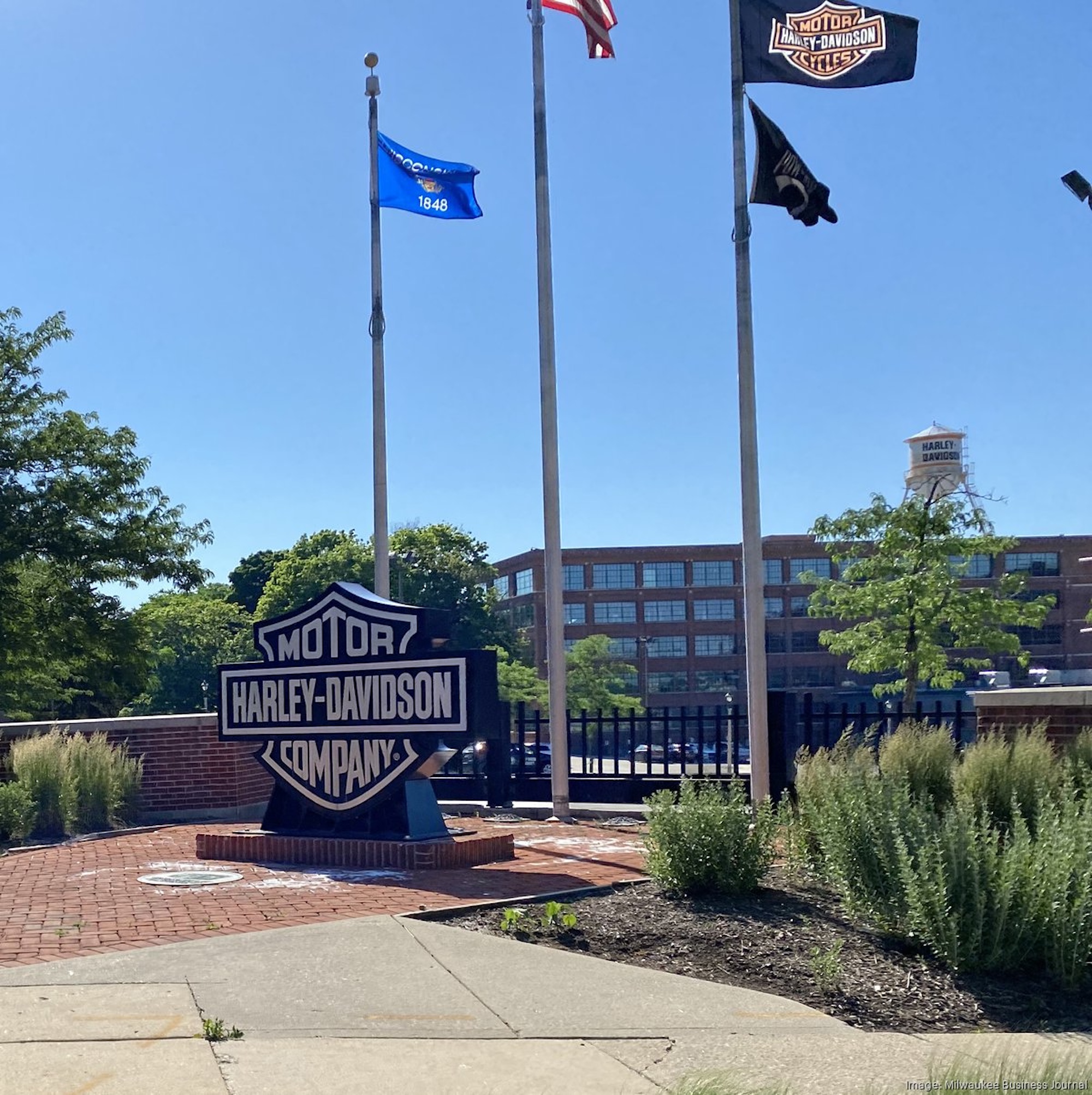
For those of you keeping with the times, April 2nd was the deadline chosen by Harley-Davidson for workforce reductions. We are now about to blast into May, so we thought we’d take a look at how those work reductions went.
According to coverage from both Inc. Magazine and Motorcycles.news, the “reduction in force” (RIF) began this month, around April 2. The reductions followed a 12% dip in global sales and a significant $29 million operating loss coming out of 2025, so we already knew that the layoffs were part of a broader reset under new CEO Artie Starrs. As for the amount Harley-Davidson is saving, these layoffs were apparently timed to trim approximately $150 million in ongoing operating costs off the Team Orange budget, with affected jobs including both the blue-collar manufacturing staff and white-collar corporate roles across Harley’s global footprint.
While the exact headcount remains private, we DO know that Harley-Davidson entered 2026 with roughly 5,500 employees around the world… and that these reductions are because of a “mismatch” between the company’s current manufacturing capacity and lower consumer demand. Added to all of this are the realities of external economic pressures (political and otherwise). We are speaking, of course, of the ever-mounting tariff burden that cost the company $67 million in 2025 and is projected to spike as high as $105 million this year.
Ouch.
In the weeks following the April 2 layoffs, we have seen a shift in Harley’s public-facing narrative toward the upcoming “WireForward” plan. We don’t know the full details of this strategy – that’ll be saved for the official reveal in May 2026 – but expect the new move to pivot away from the previous “Hardwire” focus on high-margin premium touring bikes. Instead, expect a move toward more accessible entry-level options like the rumored “Sprint” – a model designed to capture a younger demographic/rider base – as well as continued support in the bagger racing leagues.
Perhaps predictably, the market reaction to all of the above has been hesitant. Fitch Ratings recently downgraded Harley-Davidson’s Long-Term Issuer Default Rating to from ‘BBB+’ to ‘BBB,’ citing risks with this rapid restructuring.
Bottom line, we wish the folks at Harley-Davidson the very best as the company navigates this new chapter. Perhaps the WireForward strategy can stabilize the brand before the next model year is upon us.
Bargain Bikes: Yamaha Reveals R7 with Sweet Electronics Suite Upgrades
Perks Include a Nifty Six-Axis IMU and More
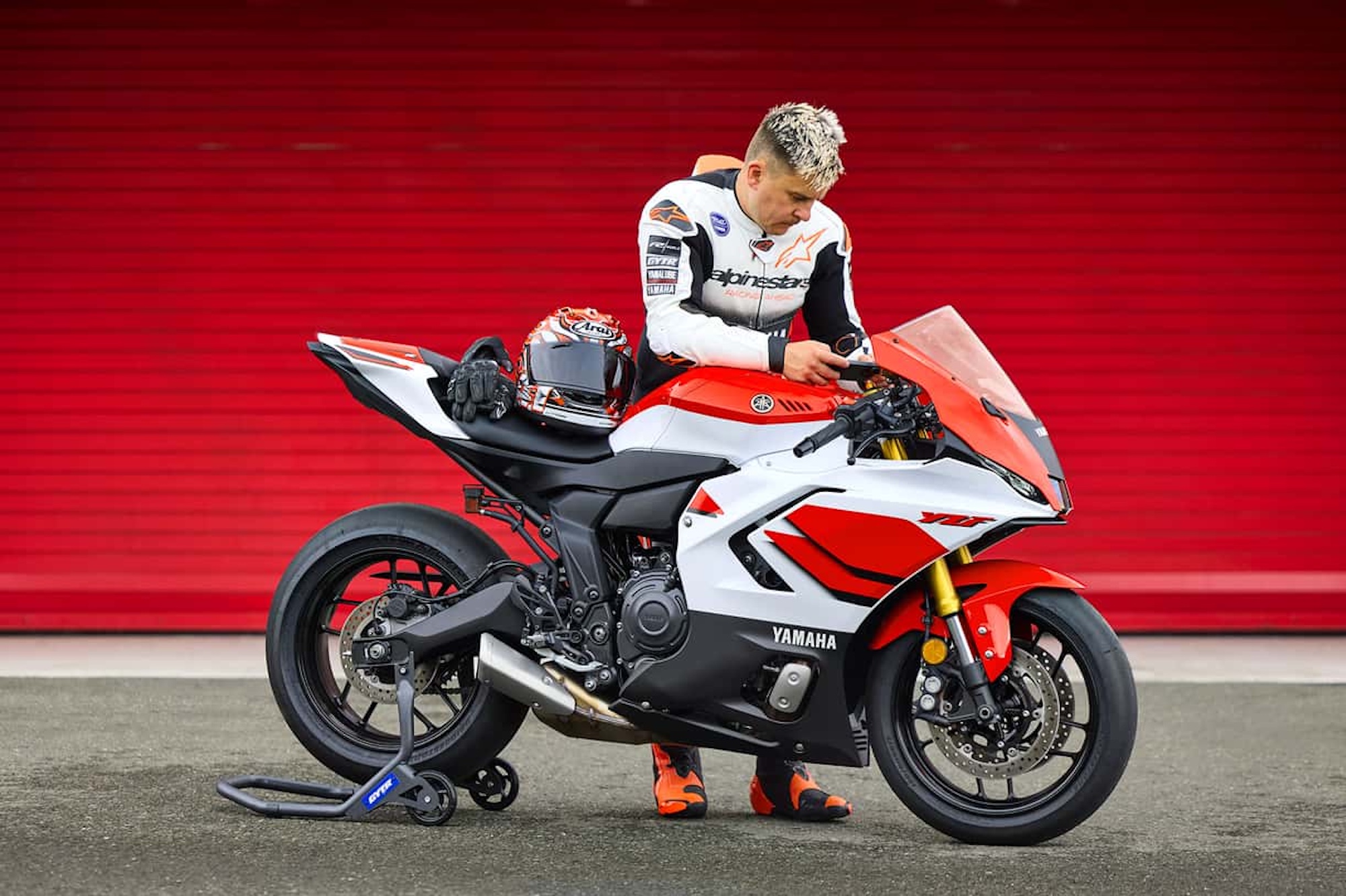
Our favorite boys in blue have officially announced their new R7 for the masses and, in one fell swoop, have also raised the stakes for the middleweight supersport category. What are we talking about? Why, the announcement of the 2026 YZF-R7… and the very nice list of electronics perks that came with that debut.
While the R7 platform has been lauded in previous years for its accessibility and yank-happy CP2 heart, the upcoming model year sees a slew of benefits borrowed heavily from the flagship R1. This includes a full six-axis Inertial Measurement Unit (IMU) -thoroughly changing the bike’s digital DNA – as well as a bevy of lean-sensitive rider aids that were previously the sole domain of liter-class superbikes.
Thanks to Yammie’s recent press release, we see that R7 riders can now take advantage of a multi-level Traction Control System (TCS), Slide Control (SCS), Lift Control (LIF), and Brake Control (BC). This massive electronic leap is apparently thanks to the Yamaha Chip Controlled Throttle (YCC-T), and the new Yamaha Ride Control (YRC) system, which offers factory presets like Sport, Street, and Rain, alongside customizable “Track” modes for the apex-hunters.
There are some mechanical changes made to this beauty, too. Apparently, the high-tensile steel tubular chassis and asymmetrical swingarm have been updated to prioritize and optimize torsional and lateral rigidity (more precise feedback), while the whole package rolls out on a set of very nice SpinForged aluminum wheels wrapped in Bridgestone Battlax Hypersport S23 rubber. A third-gen Quick Shift System (QSS) now supports both clutchless upshifts and downshifts.
Add a new five-inch TFT display and integrated Garmin turn-by-turn navigation, and the R7 has suddenly evolved from a budget-friendly twin into a tech-heavy beast that will no doubt make more than a few headlines hitting the local cycle of grids. Bon voyage, break a leg, and all that.
To celebrate Yamaha’s 70th anniversary, a special edition featuring the company’s iconic red and white speed block livery will soon be available. Couldn’t do this debut without paying homage to the original 1999 R7 OW-02 superbike, of course.
KTM Recalls RC 390 and 390 Duke Over Potential Throttle Failure
Nearly 8,000 Units Impacted by Motive Power Defect
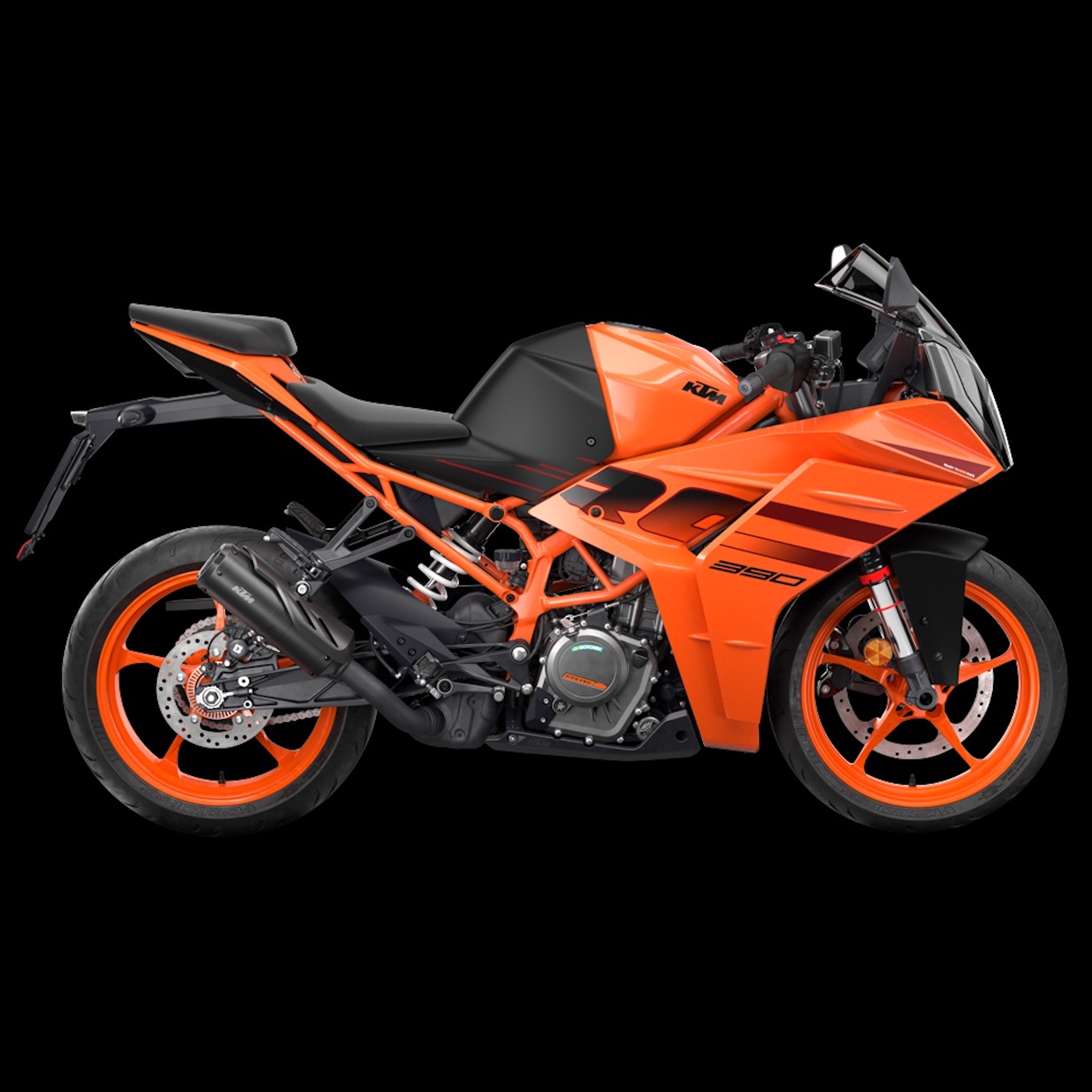
KTM has issued a rather big recall targeting a potential electronic throttle assembly defect in 7,974 390 Dukes and RC 390s – approximately 1.6% of the models’ population – across North America.
According to the Part 573 Safety Recall Report filed with the NHTSA, the recall affects models made from January 18, 2022, through March 22, 2024. Here are the affected years for each of the bike models:
- 2022-2023 KTM 390 Duke
- 2022-2024 KTM RC 390
We’ve also been given the reason for the ill-behaved part in question: Apparently, the technical culprit is a moisture intrusion issue inside the e-throttle’s internal circuitry. KTM’s team determined that moisture had the potential to migrate into the electronic components, eroding electrical connections over time.
For clarity, this means that when the ECU detects a voltage discrepancy between the two signals delivered by the throttle, it triggers a fail-safe mode, forcing the engine to revert to idle speed regardless of rider input. The rider’s sudden loss of power is the risk here, and in high-speed or heavy-traffic scenarios, we could definitely see how this could pose an issue that would eventually bounce back to KTM.
Another note: This campaign is not a standalone; instead, it serves as an expansion of NHTSA Recall No. 25V598, which deals with KTM’s ongoing data analysis into the reliability of the above parts.
Naturally, KTM is asking owners of the affected singles to visit an authorized dealer for the offending e-throttle assembly to be swapped out for a new, properly functioning package that was made in May 2024 or later. Expect to see owner notification letters being sent out in the next seven days (by April 30, 2026).
Pants on Fire: Whistleblower Emerges Claiming Donut Lab Battery Claims are “Misrepresented”
Criminal Complaints Filed as Solid-State Specs Face New Scrutiny
Well, this is a pretty piece of pivot that we weren’t expecting.
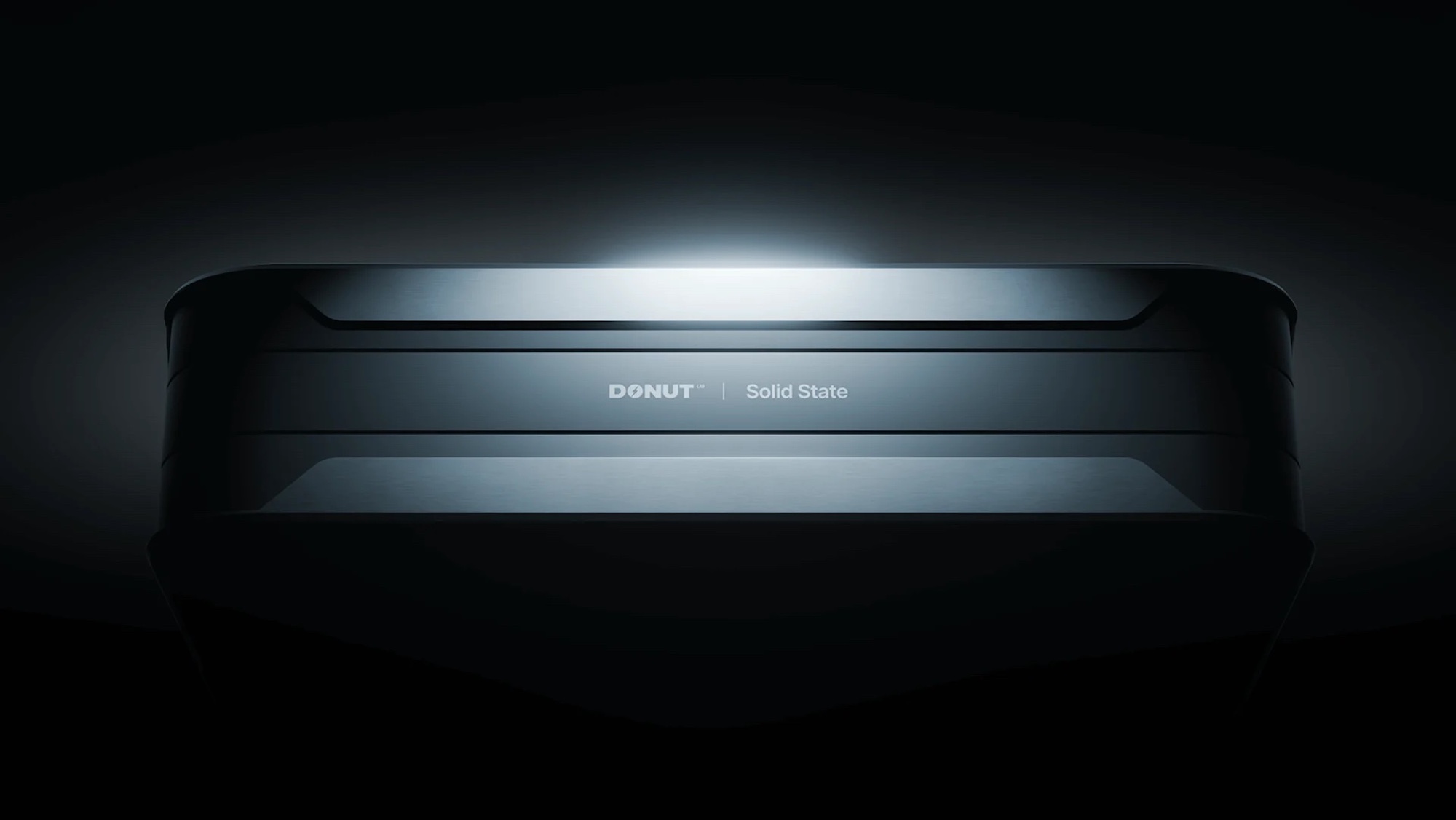
In a world where electronic technology is advancing faster than the electric grid expansion itself, a certain electric motorcycle battery has been raising questions. We all remember the Donut Labs battery, right? This was a solid-state battery package with an increased energy density, making for a faster, cheaper, and more powerful power source with a safer, more sustainable heart for the next generation of electric superbikers. In other words, a battery designed to be the next chapter of evolution for riders around the world.
Until last week, I had my article all ready to go, including the following excerpt bragging about the brilliance of this new battery tech:
During high-stress charge performance evaluations, the Donut cell was pushed to an extreme 11C rate without cooling, proving a 0–80% charge achieved in a blistering 4.5 minutes.
This battery also thrives in heat that would typically cripple a standard lithium-ion battery pack. At 80°C, the cell was proven to be capable of delivering 110% of its capacity, and even after hours of exposure to 100°C environments, Donut’s battery cells were apparently totally fine – a success that could only be achieved by lowering the package’s internal resistance.
What truly sets this tech apart is the battery’s energy density, clocked at a massive 400 Wh/kg. Unlike conventional cells that degrade rapidly under fast-charging stress, the Donut battery is designed for a staggering 100,000 cycles with minimal capacity fade. This allows Verge to build lighter structures with more range, or smaller packs that don’t sacrifice power – and by removing flammable liquid electrolytes, Verge can make something that’s next-level powerful and ultra speedy on the charging front, all while cutting costs and guaranteeing the safety of the rider.
Just months after Verge Motorcycles and Donut Lab sent shockwaves through the electric powersports world with claims of a “record-breaking” solid-state battery (SSB), the narrative is beginning to fall apart.
What happened, you ask? Apparently, a whistleblower happened – and while Donut’s response to some of these allegations includes the sale of a tinfoil hat online in a cheeky put-down of Donut’s detractors, some experts in adjacent fields are bringing up some… problems with the Verge+Donut Labs battery claims.
Everything erupted on April 17. That’s when Science.org tells us that Lauri Peltola, Chief Commercial Officer of Nordic Nano Group (an R&D firm previously affiliated with Donut), told Finland’s Helsingin Sanomat that the company’s bold technical claims were, put bluntly, not true. Peltola has apparently filed more than one criminal report with Finland’s Financial Supervisory Authority and the Helsinki police on this matter, saying both times that the state of development and mass-production readiness of the Verge+Donut Labs battery were exaggerated.
It gets better, too. When IDonutBelieve.com released VTT technical reports showing rapid charging, specialists like Eric Wachsman of the University of Maryland commented that those charging speeds could only be possible by sacrificing energy density – the very thing Verge claimed to have mastered. Markus Gehring, a battery materials specialist at PEM Motion, notes how the battery pouch reportedly swelled and lost its vacuum seal after that VTT thermal testing at 100°C. According to Gehring, this “off-gassing” is a signature of liquid electrolytes.
A solid-state battery doesn’t have liquid electrolytes. A lithium-ion battery, however, does, further suggesting that the Donut battery could very well be something other than what the company is advertising.
Perhaps most damning is the data regarding longevity. While CEO Marko Lehtimäki promised 100,000 cycles, initial VTT data showed a slight capacity loss after only a few rounds, a trend inconsistent with the promised durability.
It is worth recording here that Donut and Nordic Nano have, in a joint statement, denied any criminal activity. These two will purportedly stand by their previous announcements despite the ongoing investigation.
For Verge enthusiasts who were promised a “scam-proof” future for electric superbikes, those jokester tinfoil hats for sale on their website are starting to feel slightly less like a joke.
Ah, well. There’s no deadline for this battery on the website, but with sources like Electrek stating that the Donut Labs battery is slotted for a reveal by the end of March of this year, we are currently in a grey zone of confusion. Hopefully, there is clarity on a new deadline (or the battery) sometime soon.
Source: Science Adviser / AAAS