


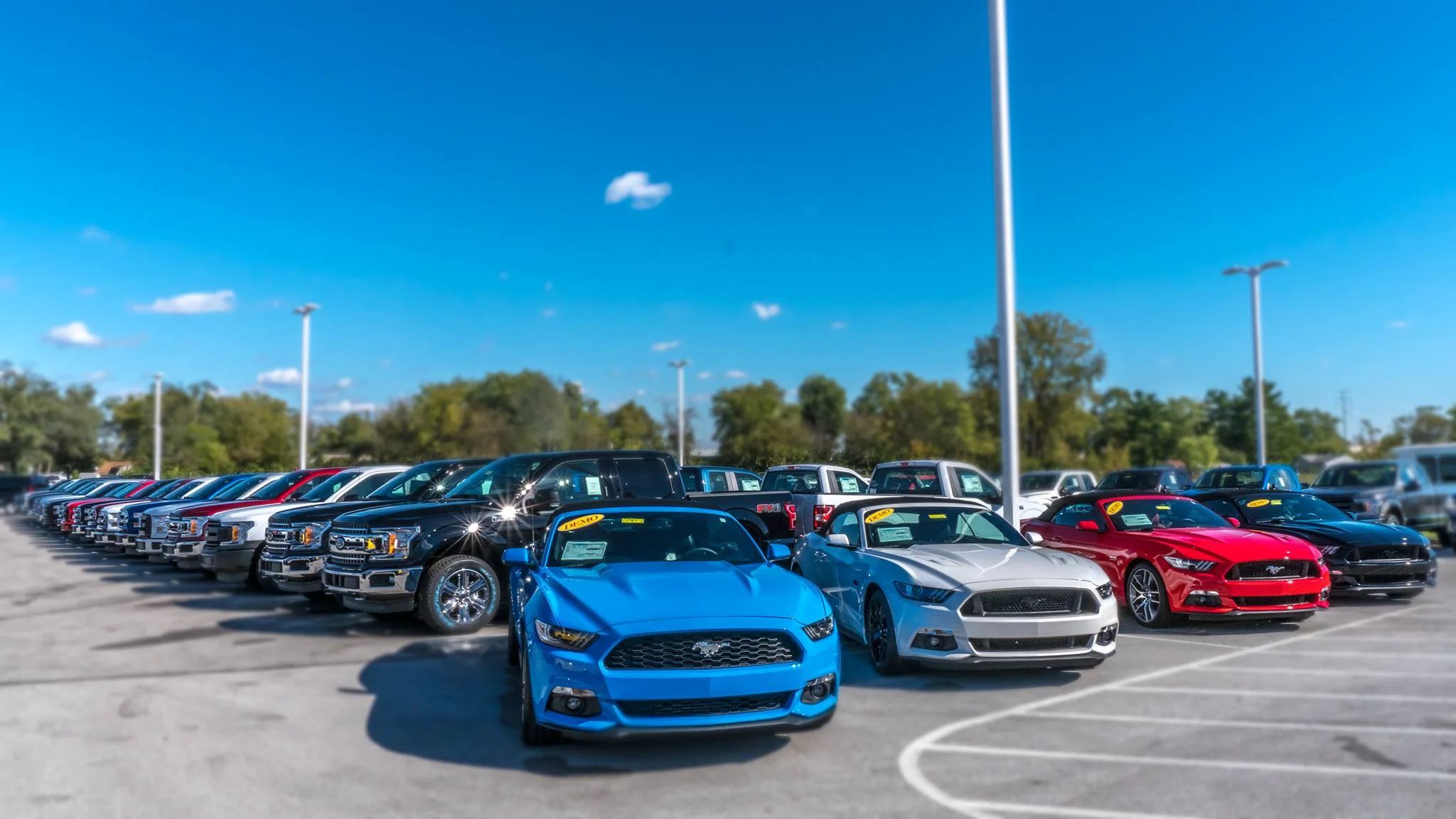
Used vehicle prices haven’t come back to earth the way a lot of buyers expected. Clean-title inventory is still expensive, dealer markups haven’t fully disappeared, and the affordable end of the market stays thin. More people have started looking at salvage auctions as a result, not because it’s a perfect solution but because the math works out better there for buyers willing to put in some research time before they bid.
If you ride, that research habit is probably already there. Motorcycle buyers tend to approach used vehicle purchases differently than most people. Private sellers, VIN checks, knowing what comparable examples sold for before showing up with cash. That process translates directly to online salvage auctions, which is part of why it’s worth understanding if you own both a bike and a car and care about what you spend on each.
Why the Market Opened Up
Salvage auction inventory used to require a dealer license or an industry contact to access in any practical way. Physical presence at a regional auction house, professional credentials, someone willing to vouch for you. Private buyers existed on the outside of that system and mostly stayed there.
Online platforms changed the access equation. Condition reports, VIN histories, inspection photos and damage disclosures are now standard on individual listings. The same inventory a wholesale dealer is bidding on is visible to a private buyer in a small market with a browser and a credit card. Access isn’t the same thing as preparation, though. That part is still on the buyer.
What the Salvage Label Tells You
Not much on its own. When an insurer writes a vehicle off as a total loss, the title gets branded salvage regardless of what the damage looks like. It’s a financial calculation, not a mechanical assessment. Repair estimates that cross a threshold percentage of the car’s market value trigger the write-off. The damage could be structural. It could be cosmetic. The title reads the same either way.
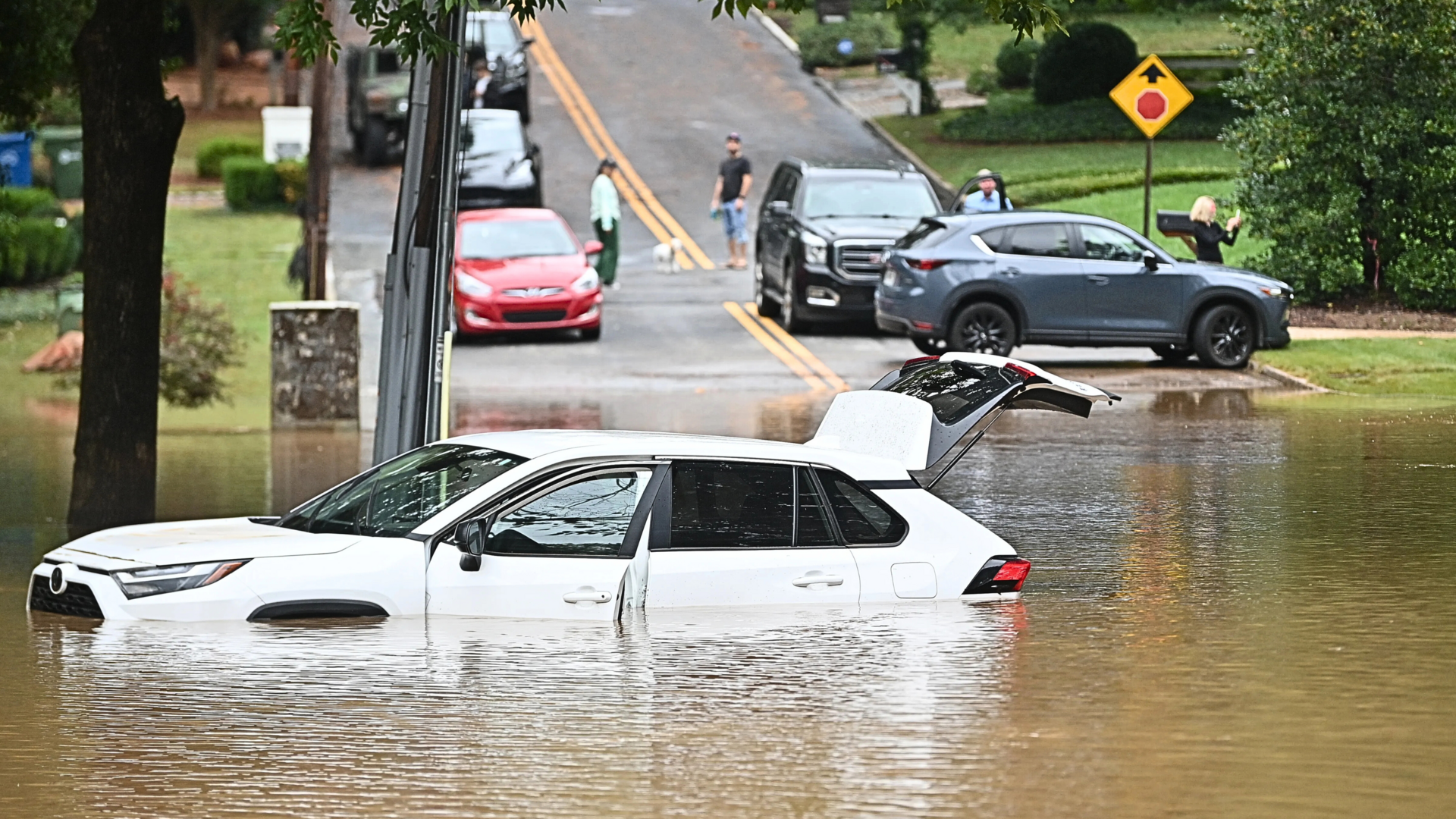
Browsing salvage cars for sale on any given day means looking at a wide range of situations under one label. Hail damage across every panel with an intact drivetrain. Flood damage that soaked the interior and reached the wiring. Theft recovery with a missing catalytic converter. Collision damage that may or may not have touched anything structural. The listing documentation is where you figure out which situation you’re actually in.
What Riders Already Know How to Do
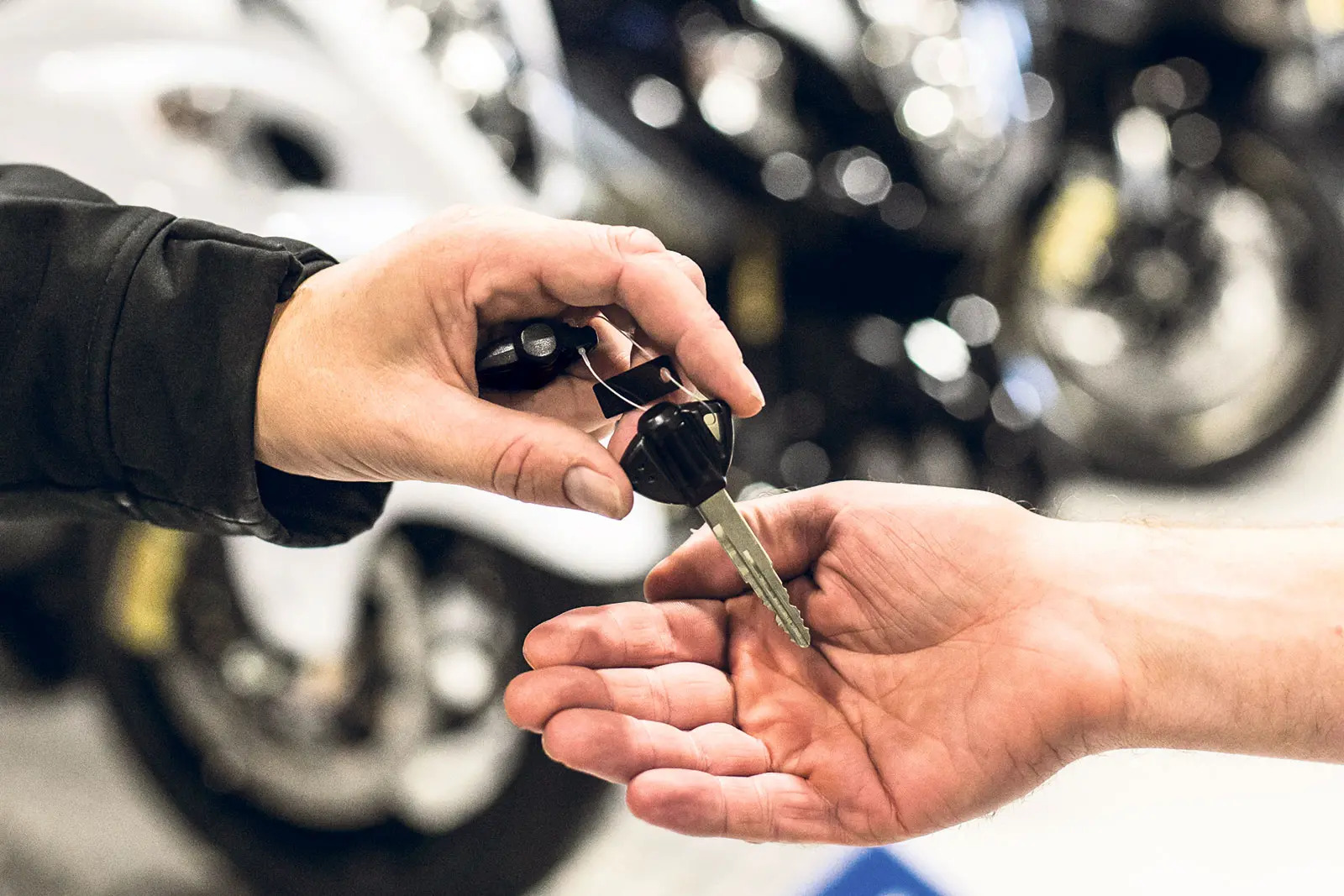
Buying a used motorcycle privately is its own kind of preparation for this. You check the VIN, look up what comparable bikes sold for, show up knowing your number and walk away from deals that don’t add up, sometimes more than once before you find the right one. None of that is complicated. It’s discipline applied before the purchase rather than regret applied after it.
Salvage auctions run on the same discipline. The buyers who do well over time are rarely the ones who spotted the best deal. They’re the ones who set a ceiling before the auction opened and didn’t move off it when the bidding got competitive. For anyone running a bike and a car on the same budget, there’s a practical case here too. Keeping acquisition costs down on one side creates room on the other. Retail doesn’t offer that kind of room on clean-title inventory right now. Salvage auctions sometimes do, for buyers who know how to read a listing.
Damage Categories and What They Mean in Practice
 Credit: WMTV
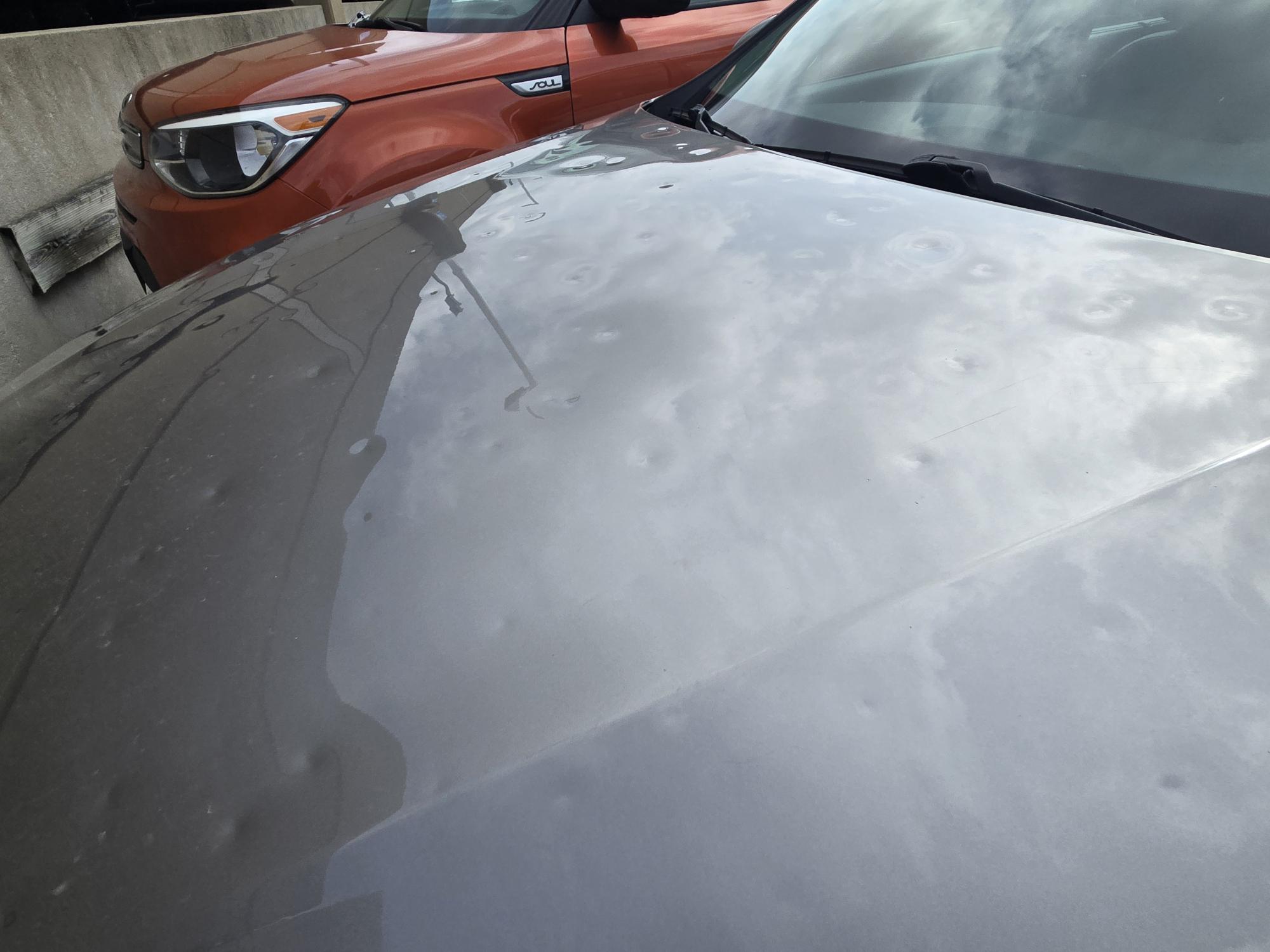
Hail gets misread more than any other category. The photos look bad. Dozens of dents across the hood, roof and trunk photograph dramatically and a lot of buyers move on without reading further. But sheet metal damage and mechanical damage are different things. If the glass survived and nothing structural was involved, the drivetrain on a hail-damaged vehicle is almost always fine. Paintless dent repair costs a fraction of what a body shop charges, and plenty of buyers skip the repair entirely and drive the vehicle as-is.
Theft recovery varies too much to generalize cleanly. Some listings come through with minor damage. Others have been stripped in ways that photos don’t capture well. Those need more reading, not less. Flood is the one that warrants real caution and a conservative repair estimate. Water that reaches electrical components can produce problems that take months to surface, and condition reports have limits on what they catch with flood vehicles.
Before the Bid Goes In
 Credit: Pexels
The winning bid is not the total cost. Transport from the auction location, a pre-purchase inspection if you can’t get to the vehicle in person, repair work and state registration requirements for rebuilt titles all add to the number. Some states process rebuilt titles quickly. Others require certified inspections, documentation from the repair facility or waiting periods before the vehicle is road legal. Knowing your state’s process before you bid matters more than most first-time buyers expect, and it affects both the budget and the timeline.
Work backward from a total acquisition budget to a maximum bid. Write it down and treat it as fixed. Online auctions move fast and it’s easy to convince yourself that one more increment still makes sense. Usually it doesn’t. The deal that looked good at the start stops working quietly, a few increments before the auction closes. Watching a few auctions without bidding first is worth the time. How pricing moves on specific vehicle types and damage categories isn’t something you can fully understand from reading about it.
What You’re Already Bringing to This
Someone who researches a helmet purchase carefully, reads owner forums before buying a bike and knows how to walk away from a bad deal is already doing most of what this market asks for. The platform is unfamiliar. The habits aren’t. Salvage auctions don’t work for every buyer or every purchase, but the ones who do well here tend to be people who were already careful buyers before they found this market. Riders, generally speaking, fit that description.