Ranking dirt is harder than ranking pavement. A great paved road is a great paved road for everyone, but off-road riding splits by terrain, skill and machine before you ever look at a map. A rider chasing Utah slickrock and a family hauling trail bikes to a private park in Michigan are planning two different vacations. So this list is organized by the kind of riding you’re after, and the unit here is the destination, not the individual trail. Nobody trailers a bike across four states for one loop. You go for the system.
One thing up front: access rules are a patchwork. Some states require OHV registration, private parks sell their own passes and plenty of connector roads demand a plated bike. Check before you load the truck.
Desert and Slickrock
Moab, Utah
 Credit: Ulum Resorts
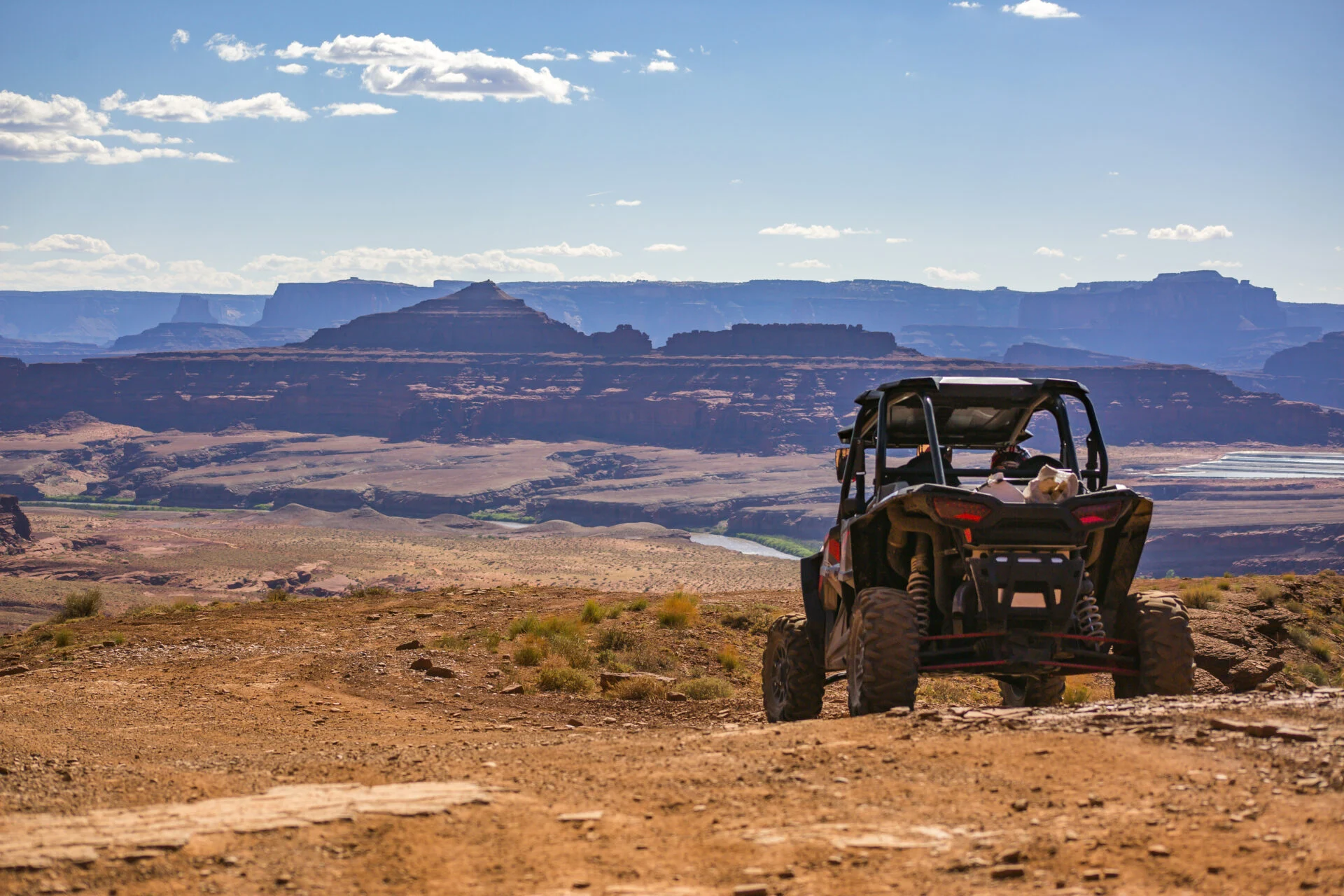
Moab is the center of the off-road universe and it knows it. Hundreds of miles of trail wind through the red rock around town, with the famous Slickrock Trail (yes, motorcycles are allowed, it started as a moto trail) and Hell’s Revenge leading the pack. Riding on that grippy sandstone feels like cheating the first time you try it. Fair warning though: crowds keep growing, some trails keep closing to motorized use and the White Rim now requires a permit even for a day ride. Go in spring or fall, book your camping early and bring a bike you can pick up by yourself.
San Rafael Swell, Utah
 Credit: ETV News
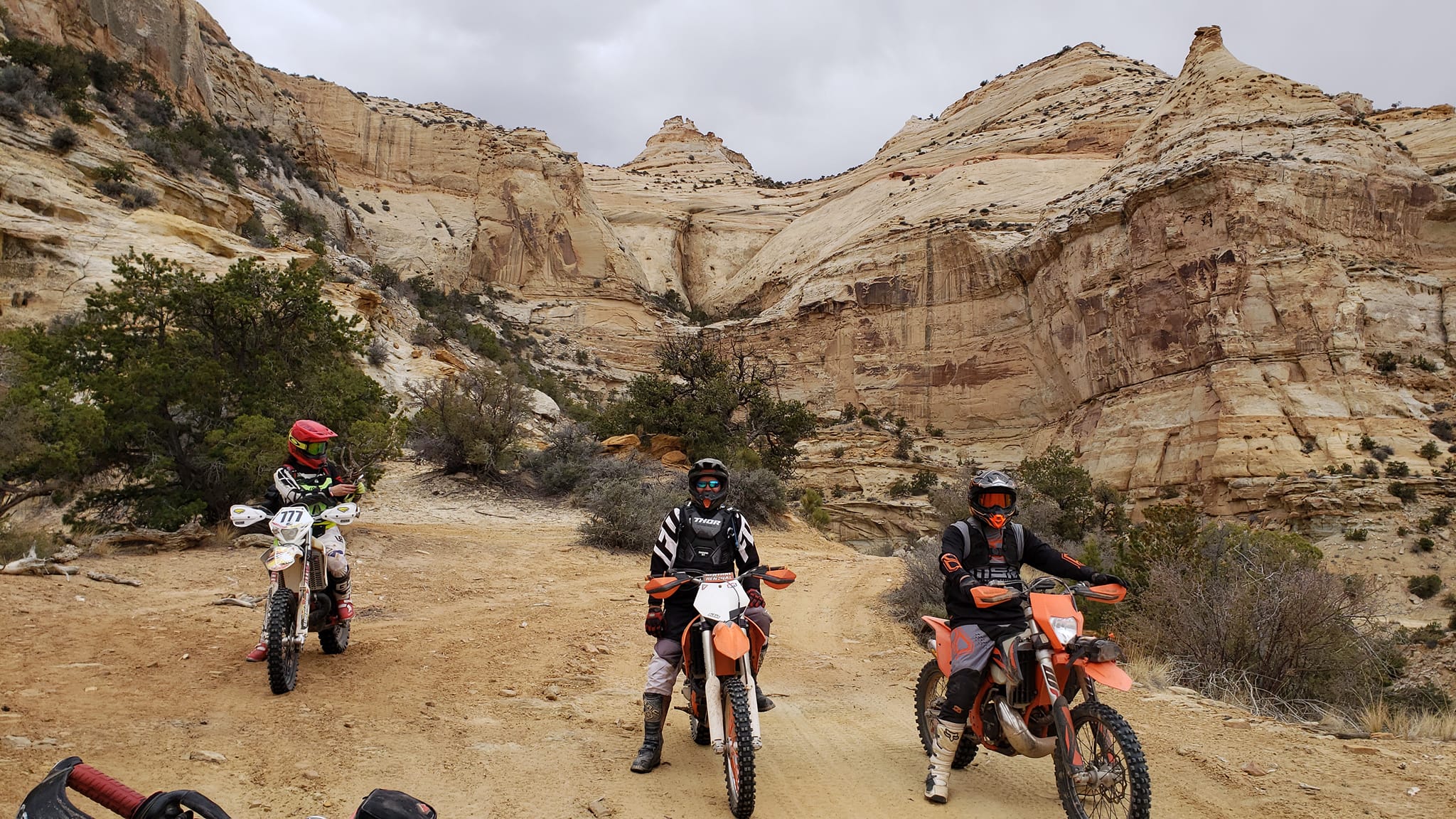
Want the Moab experience without the Moab crowds? Drive an hour west. The Swell stretches about 75 miles along I-70 and hides some of the best desert riding in Utah, including Devil’s Racetrack and the infamous 5 Miles of Hell (the name is not a joke, ask anyone who’s ridden it). Dispersed camping is still easy to find out here too, which is getting harder to say about Moab every year.
Imperial Sand Dunes, California
 Credit: r/Dirtbikes
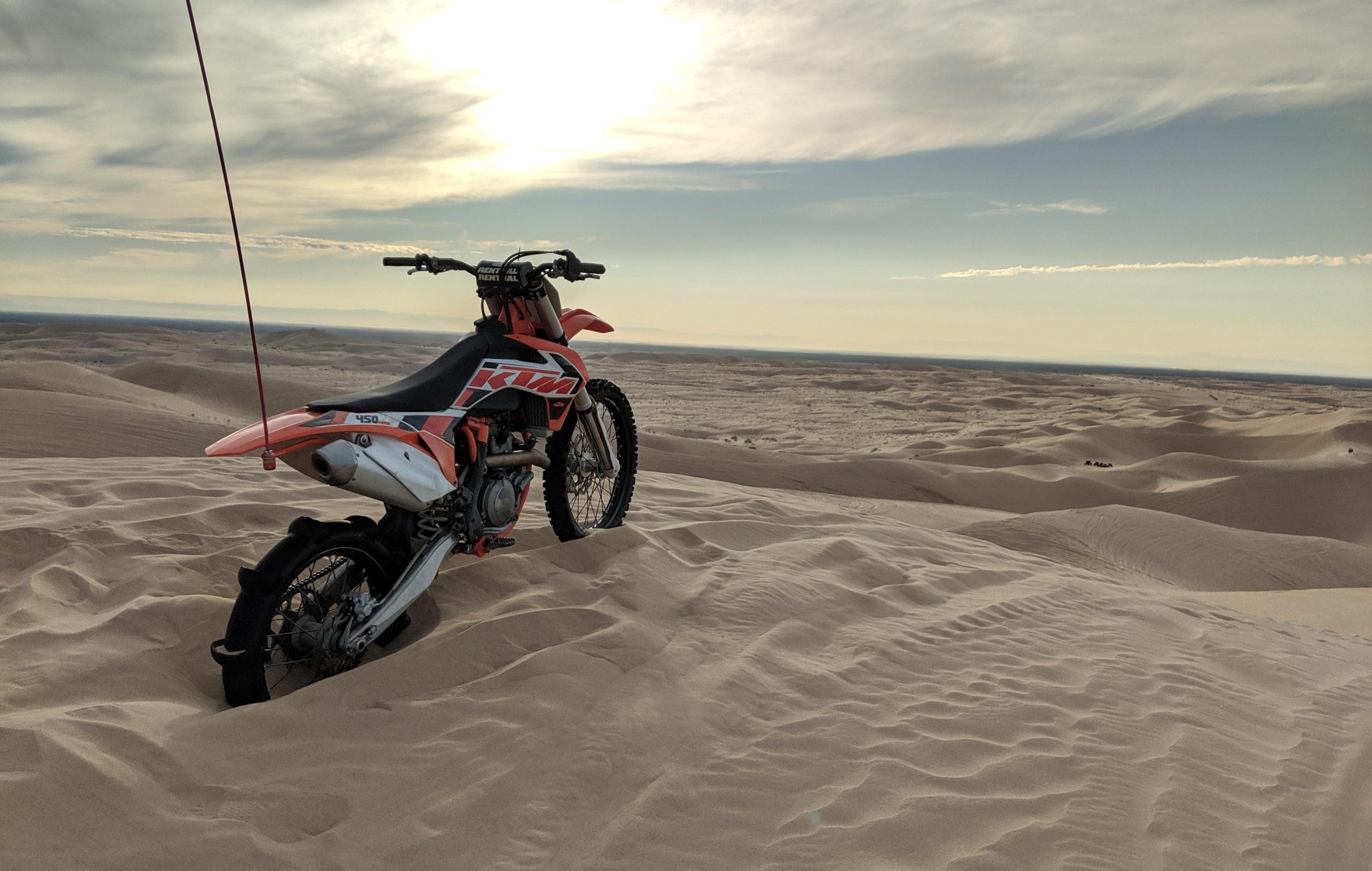
Glamis is a whole different sport wearing the same gear. The biggest dune complex in California runs in a band about 40 miles long, with some crests reaching 300 feet above the desert floor. Riding sand at that scale takes some getting used to, so give yourself a day to find your legs. And check the calendar before you go. Summer out there is brutal, so treat this one as an October through April trip.
Mountain Systems
Paiute ATV Trail, Utah
 Credit: Only In Your State
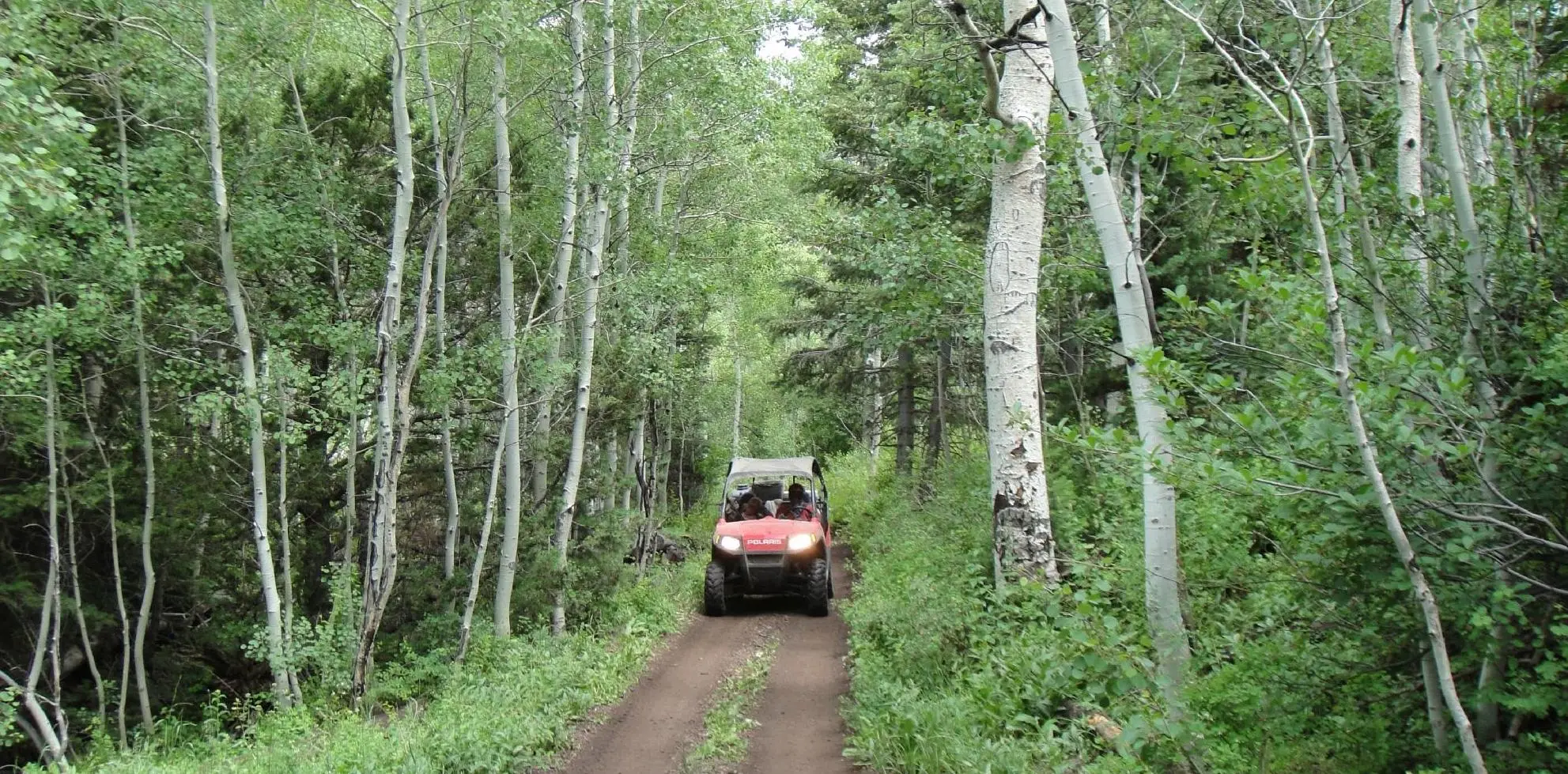
The Paiute is the largest trail system in the country. We’re talking more than 2,000 miles of routes webbed across central Utah, with a main loop of nearly 300 miles that takes days to complete. Elevation swings from high desert to over 11,000 feet, so a single day can serve up sagebrush flats in the morning and aspen tunnels by lunch. The small towns along the loop welcome OHV traffic right down main street, which makes gas and food way easier than a ride this remote has any right to be.
Taylor Park, Colorado
 Credit: Creatorville
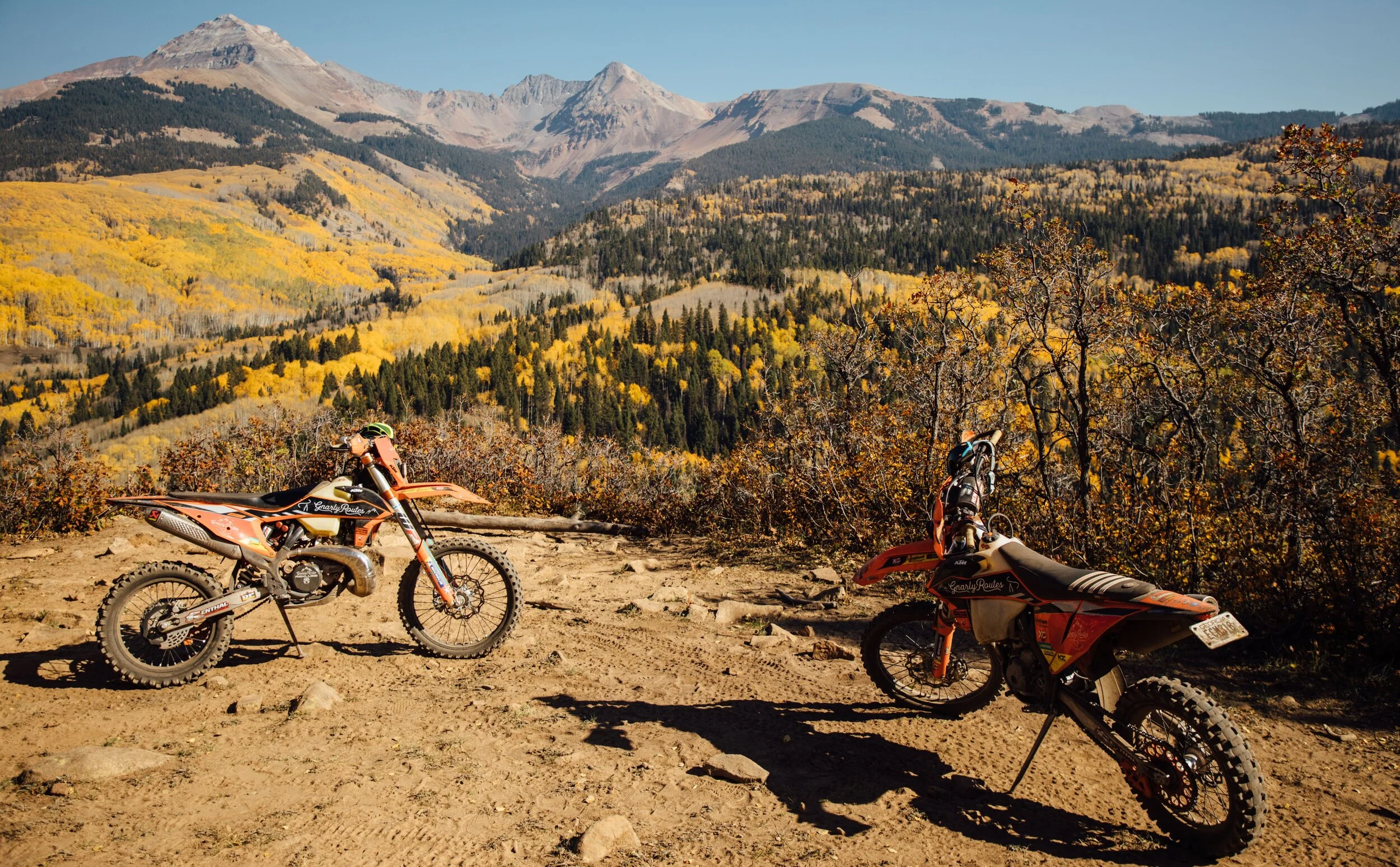
Taylor Park sits above 9,000 feet near Crested Butte and calls itself the off-road capital of Colorado. The locals will defend that title, and after a few days there you’ll probably let them have it. Old mining roads, ATV routes and proper singletrack all launch from the same valley, and riders on plated bikes can add alpine passes like Imogene and Ophir in the nearby San Juans. Pack warm layers no matter the month. The season runs roughly July through September and it can frost overnight in August.
Stanley and the Baumgartner Area, Idaho
 Credit: Brandon Dunnaway
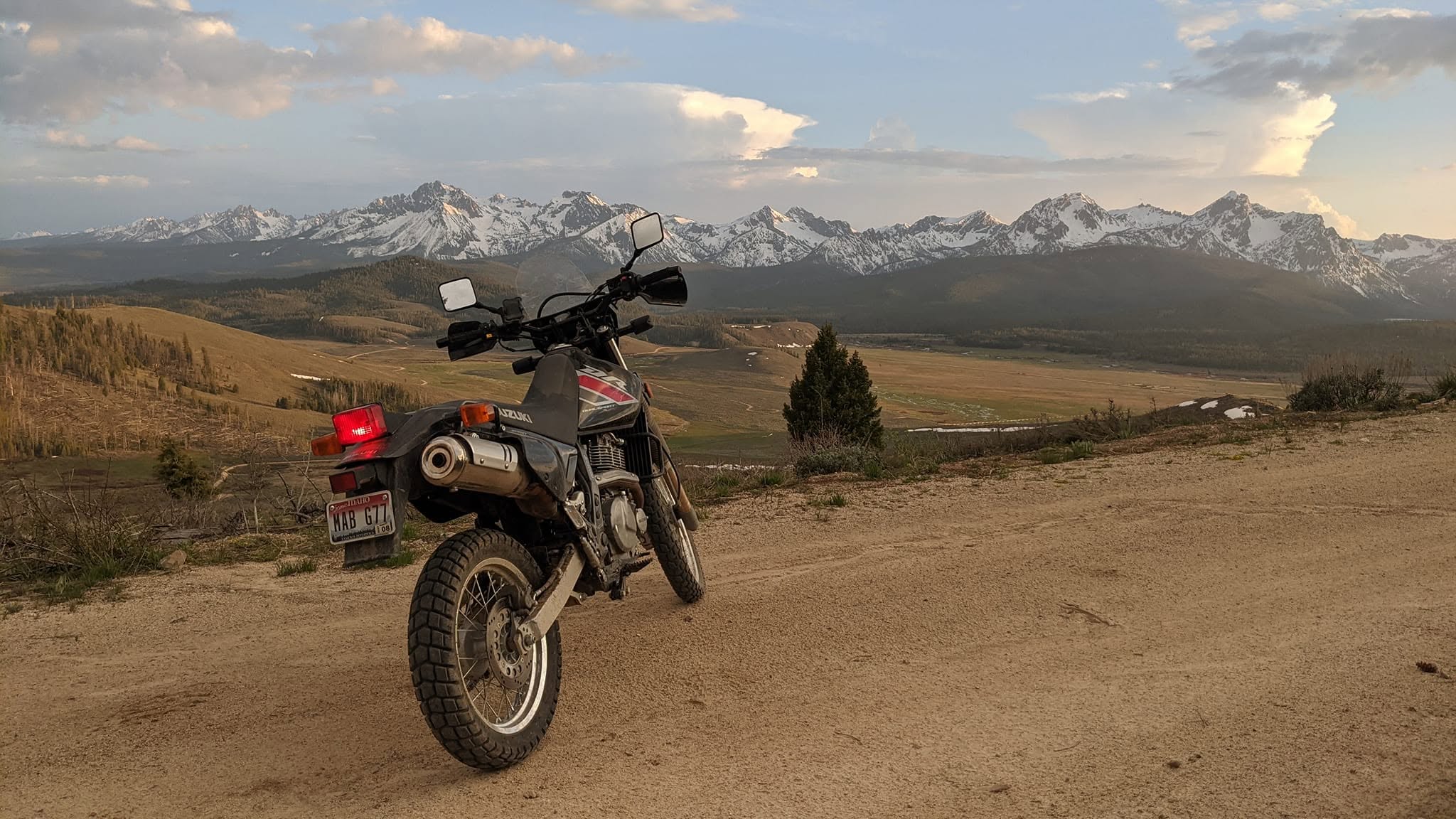
Here’s the pick you won’t find on most lists. Ask serious singletrack riders about the best trail state in the country and Idaho comes up over and over, yet it barely gets any mainstream coverage. The Sawtooth country around Stanley and the Baumgartner area near Featherville hold hundreds of miles of purpose-built motorcycle singletrack, much of it maintained by local riders who literally carry chainsaws on their bikes to clear deadfall. Riverside camping, natural hot springs and hardly any crowds. Just be honest about your skills before you commit, because the Idaho backcountry does not grade on a curve.
Eastern Woods
Hatfield-McCoy Trails, West Virginia
 Credit: West Virginia Tourism
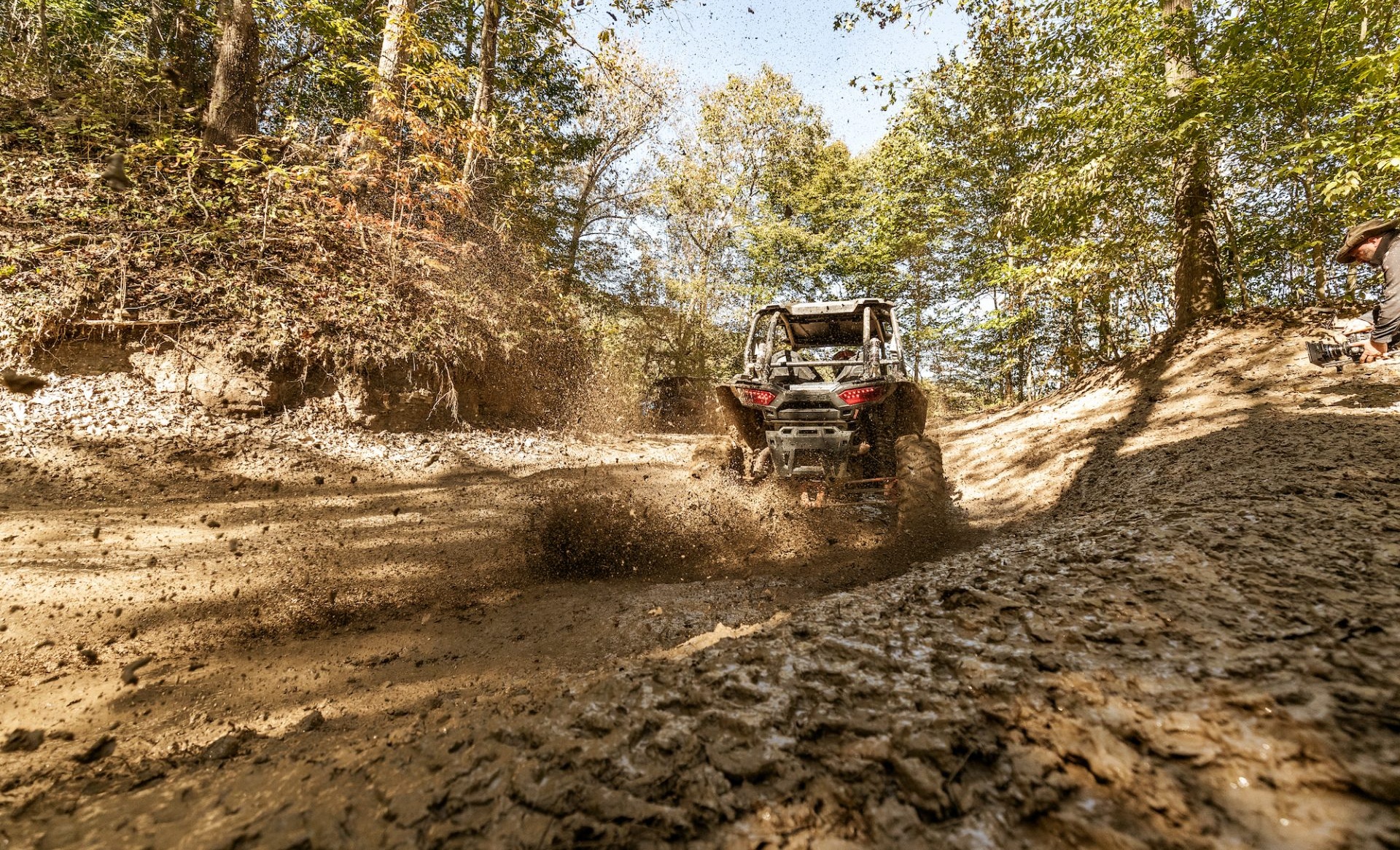
The Hatfield-McCoy system turned southern West Virginia into a real riding economy. More than 600 miles of professionally managed trails spread across multiple connected systems, rated like ski runs and open year-round. Trailhead towns have built lodging and restaurants around riders, so you can ride hard all day and still sleep in an actual bed. Buy your permit online before you arrive, and if it’s your first visit, Rockhouse is a great place to start.
Windrock Park, Tennessee
 Credit: r/Dirtbikes
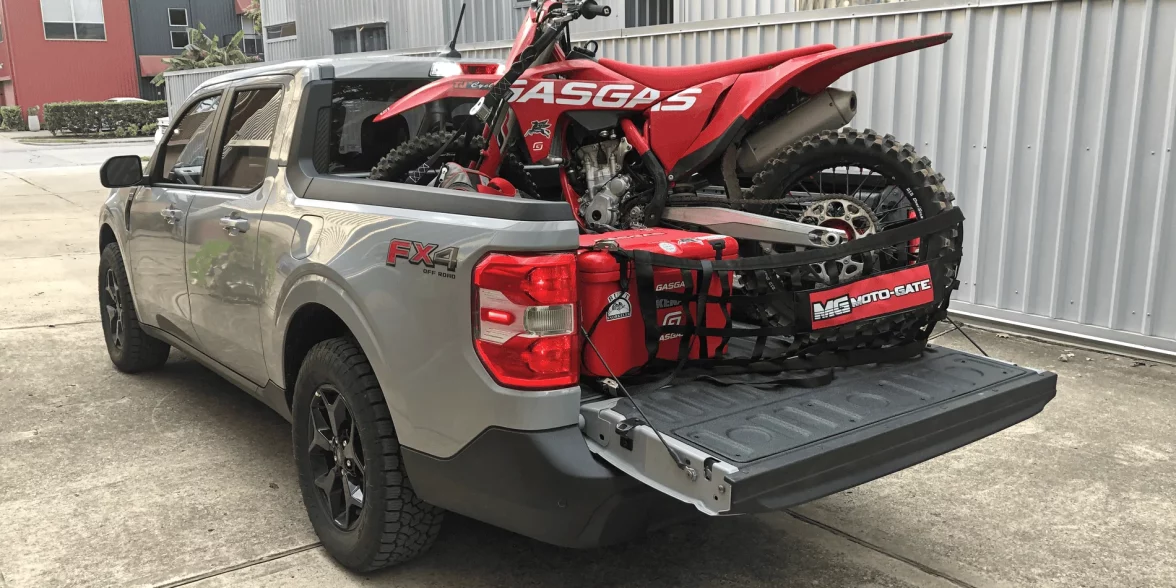
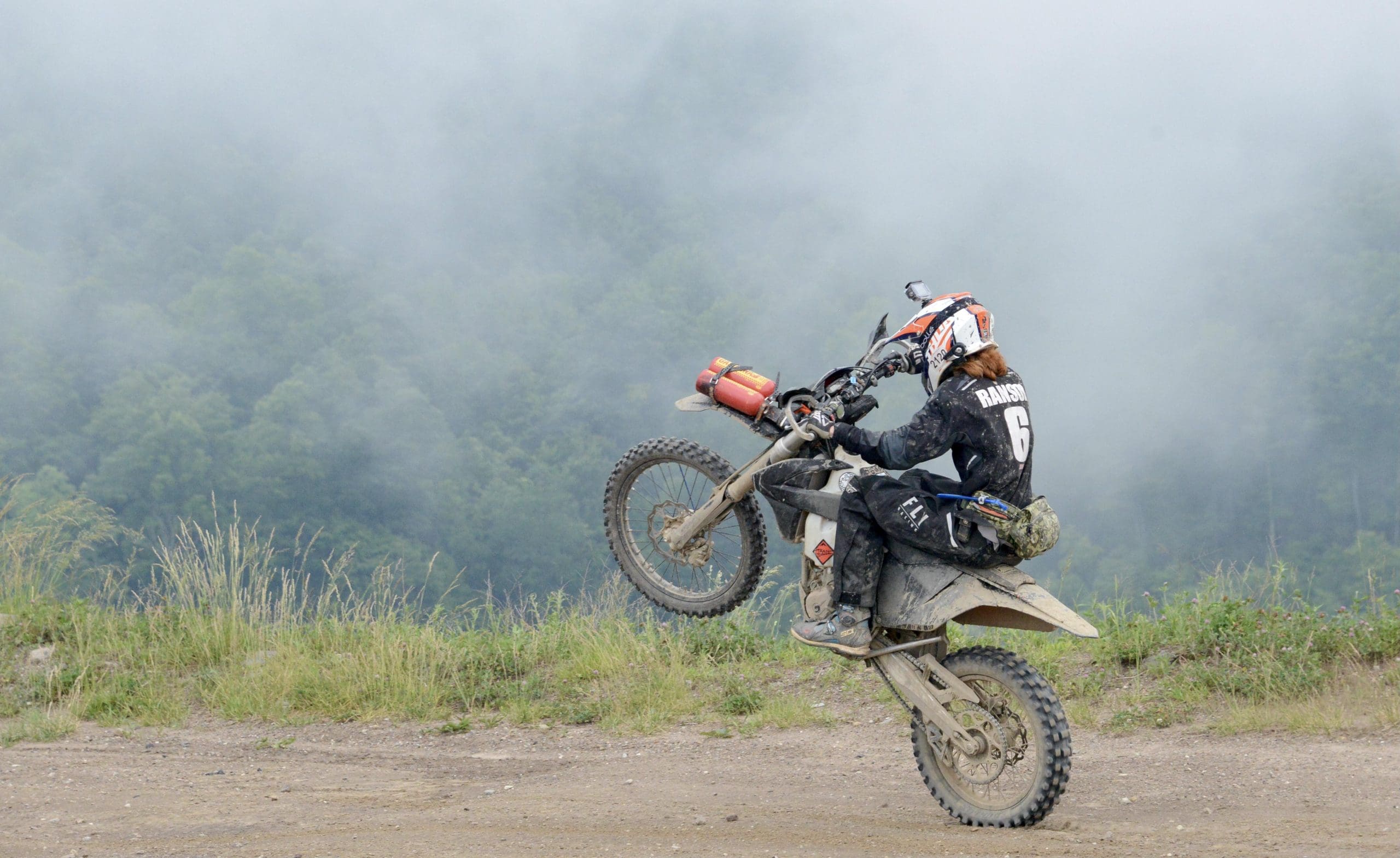
Windrock claims over 300 miles of trail on 72,000 acres, which makes it the largest privately owned riding area in the country. Private land means variety, everything from easy gravel roads to rock gardens that will humble a trials rider. Bonus for street riders: the Tail of the Dragon is under an hour away. Towing the dirt bike behind the touring rig suddenly makes a lot of sense, right?
Wayne National Forest, Ohio
 Credit: Inn and Spa Cedar Falls
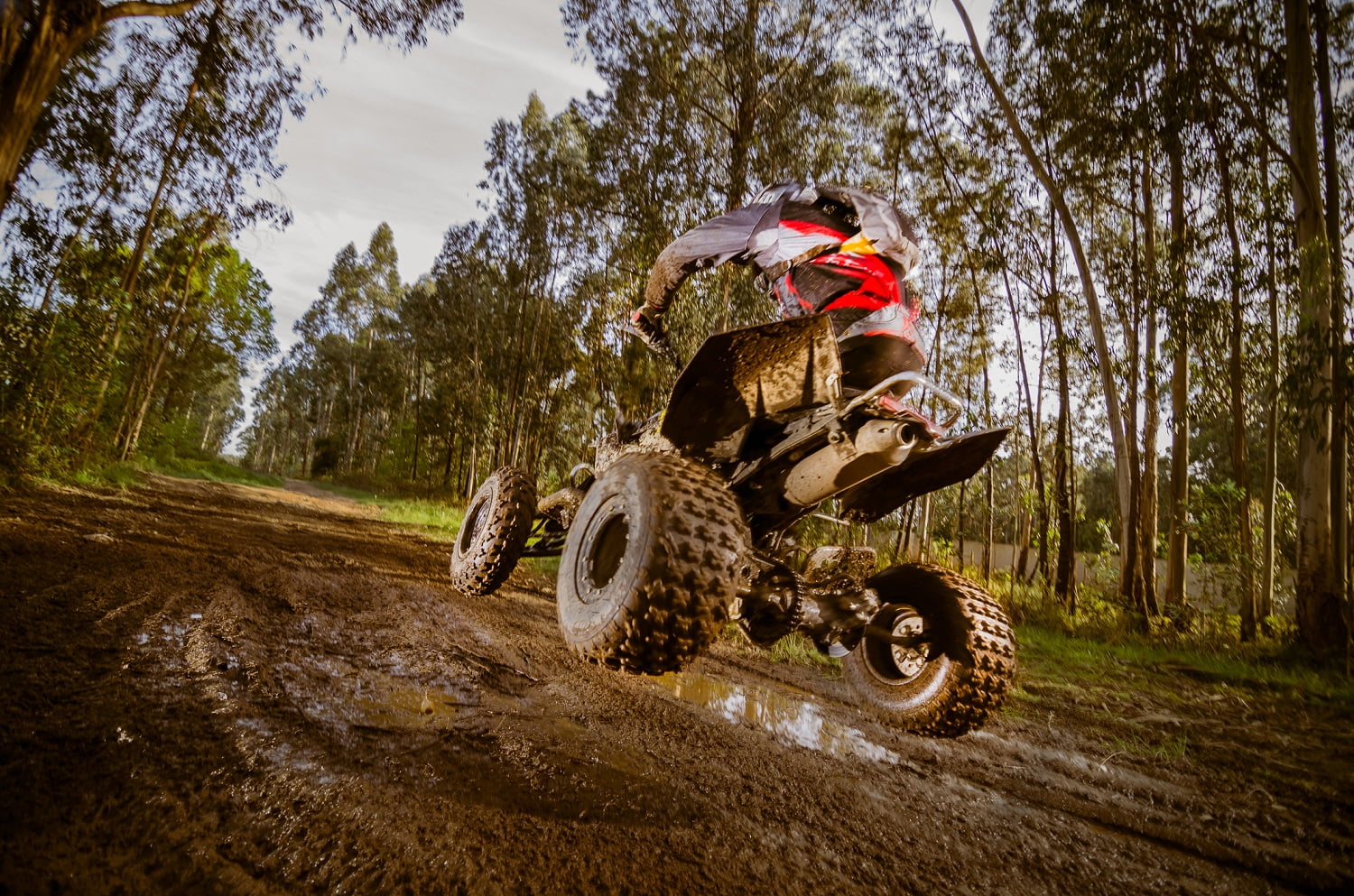
The Wayne caps its trails at 50 inches wide, and that one rule changes everything. No wide side-by-sides means 145 miles of genuine motorcycle trail across four systems in Ohio’s Appalachian foothills. It also sits close to the Triple Nickel and the rest of the Windy 9, so a long weekend down there can cover dirt and pavement without ever moving camp.
Where to Start
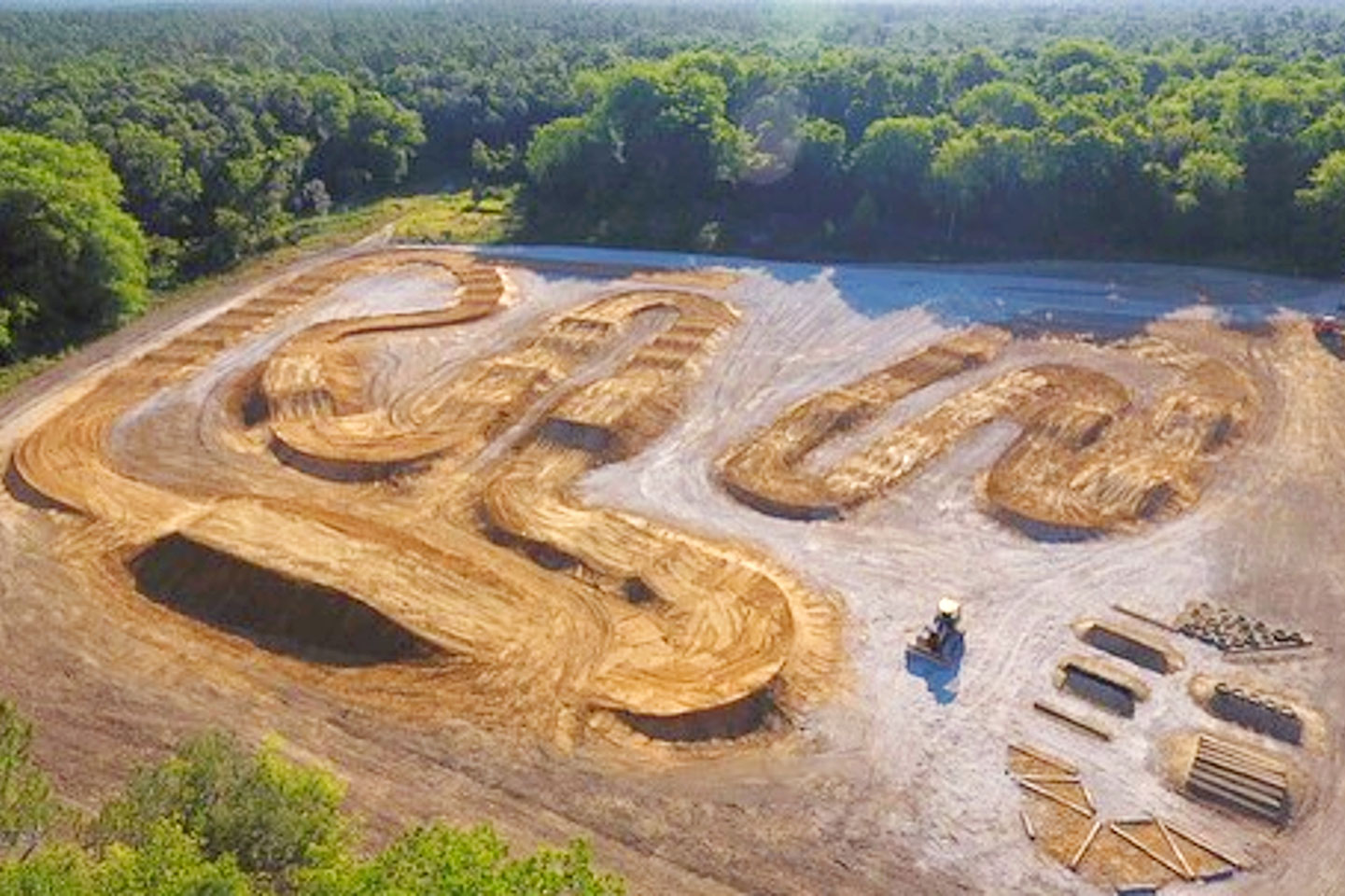

Every list like this skews toward experts, so let’s fix that. If you’re a street rider who’s dirt-curious, or you’re bringing kids into the sport, these three parks make it easy. Croom Motorcycle Area in Florida’s Withlacoochee State Forest has 2,600 acres of sandy trails plus a dedicated training zone and a young rider area, open seven days a week. Red River Motorcycle Trails in north Texas covers 2,500 acres along the riverbank, with weekends open to everyone and weekday riding by appointment. Ogemaw Sport and Trail in Michigan runs tracks sorted by skill level, including a kids track for the 12-and-under crowd, next to 120 acres of wooded trails. Rent gear if you need to and start small. Everyone in that parking lot started the same way, I promise.
Play It Safe Out There
 Credit: Bali Dirtbikes
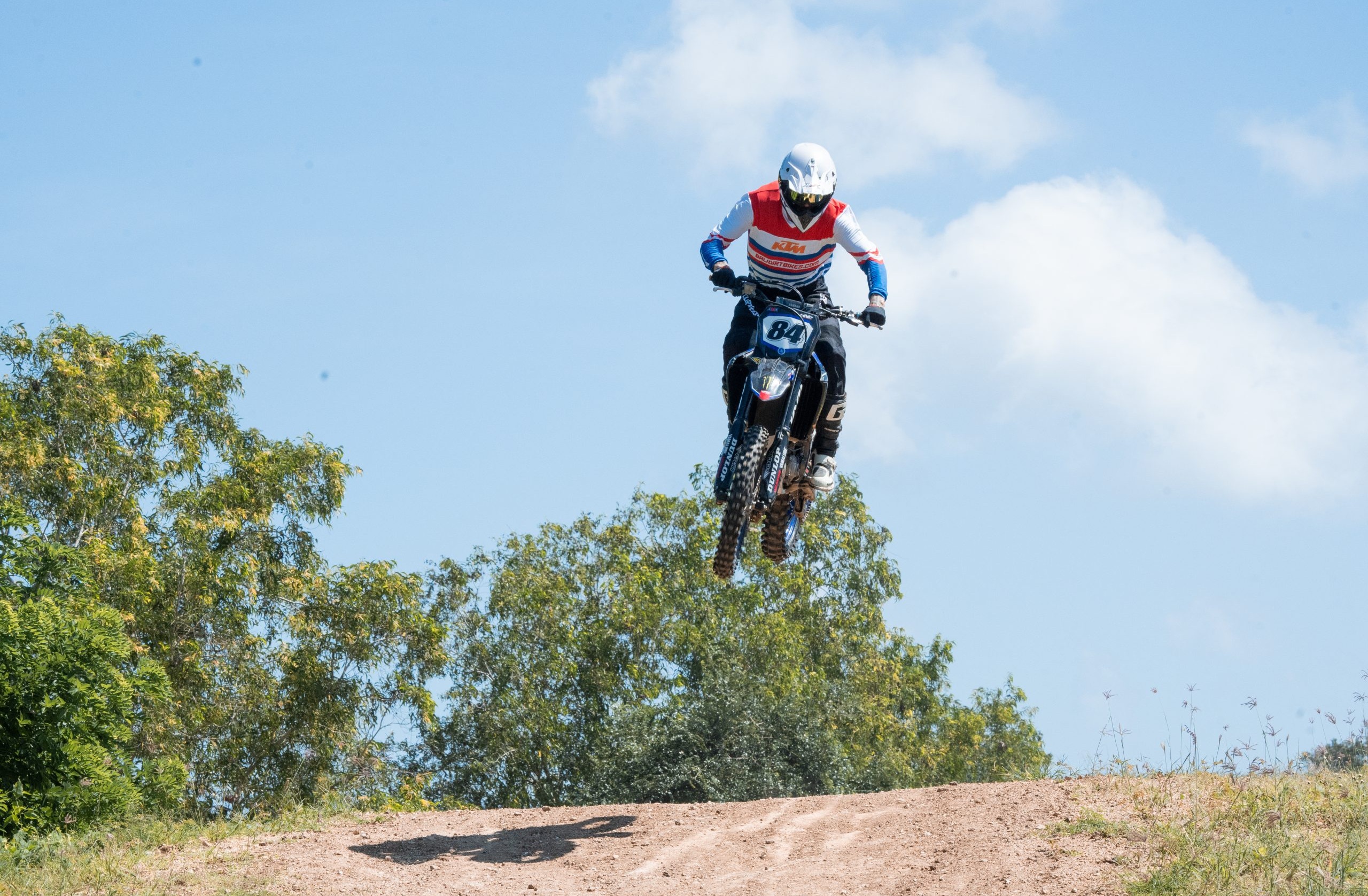
Dirt is more forgiving than asphalt right up until it isn’t, so a little prep goes a long way:
- Full gear, every ride: helmet, goggles, gloves and real off-road boots (your ankles will thank you)
- Carry basic tools and spares, because a walk out of the backcountry is a long walk
- Riding solo in remote areas? A GPS beacon is cheap insurance
- Ride only where you’re permitted and pack out everything you pack in
Trail access is shrinking in places like Moab partly because people ignored that last one. Tread lightly and the trails stay open for all of us.
Load the Truck
Sort your permits, check the season if you’re headed to elevation and go pick your terrain. And if you’d rather keep the rubber on pavement, our guide to the best motorcycle roads in America has the other half of the map covered.