

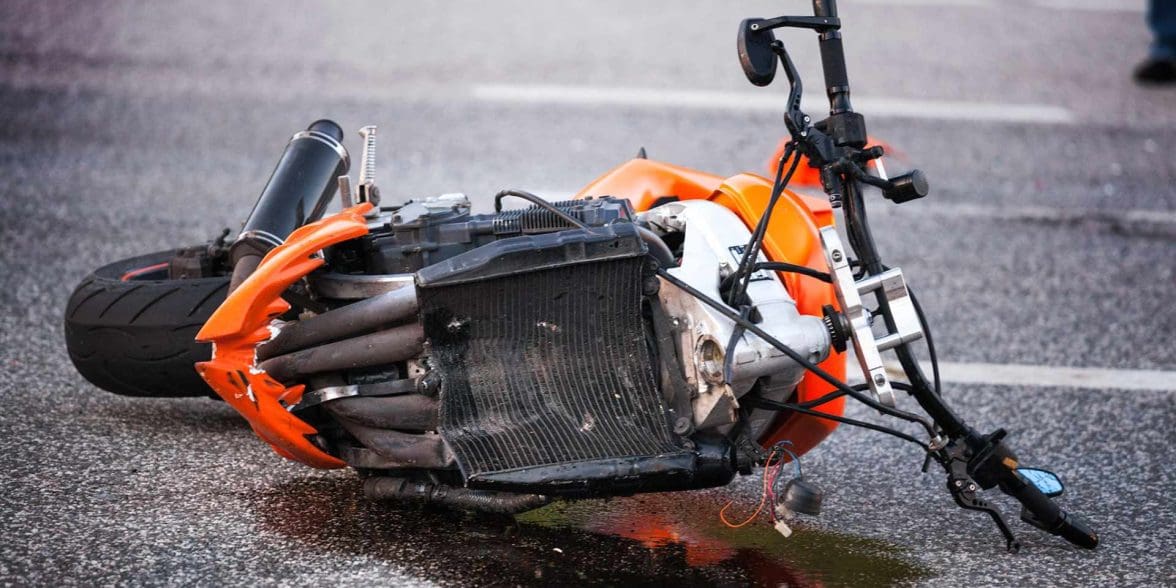
Spend enough time lurking on motorcycle subreddits and forums, and you’ll start to notice a pattern. Not just crash photos or build threads, but long, painful posts from riders trying to figure out what went wrong after the accident.
Medical bills. Totaled bikes. Insurance adjusters going silent. And one phrase that shows up again and again:
“I didn’t think I needed a lawyer.”
A surprising number of riders admit they assumed calling a motorcycle accident lawyer would be overkill — something only necessary for extreme cases. Instead, they tried to handle things themselves, trusting insurance companies, paperwork, and “common sense” to sort everything out.
What followed, according to countless Reddit threads, was a slow realization that the crash itself wasn’t the hardest part.
Below are the most common ways riders say they got burned by trying to handle a motorcycle accident alone, shared in the same raw, hindsight-heavy tone you’d expect from Reddit.
1. “The Adjuster Was Super Friendly… Until They Weren’t”
Many riders say the first few days after the crash felt reassuring. The insurance company checked in. They sounded empathetic. They promised to “take care of everything.”
Then the offers arrived.
One rider described receiving a settlement that barely covered the ER visit, let alone follow-up care or lost work time. When he pushed back, communication slowed. Calls went unanswered. Emails became vague.
What riders often realize too late is that insurance adjusters aren’t there to advocate for them. They’re there to minimize payouts.
2. “I Gave a Recorded Statement Because They Said I Had To”
This one comes up constantly.
Riders are shaken, injured, and trying to be cooperative. An insurance rep asks for a recorded statement “just to get the facts straight.” It sounds routine.
Weeks later, that same statement is used to dispute fault, downplay injuries, or suggest the rider “accepted some responsibility.”
Several posters said they would never give a recorded statement again without representation, especially when adrenaline and shock can make details fuzzy.
3. “The Police Report Was Wrong – And I Didn’t Catch It”
Police reports carry weight, even when they’re incomplete or inaccurate.
One rider said the officer marked “no injuries” because he declined an ambulance at the scene. Hours later, the pain set in. Days later, imaging showed serious injuries.

Insurance leaned heavily on the initial report to argue that the injuries weren’t accident-related. Fixing that mistake became an uphill battle.
Riders often assume reports are final and unquestionable. In reality, errors can be challenged—but timing and documentation matter.
4. “They Valued My Bike Like It Was a Beater”
Motorcycles aren’t always easy to value, especially when they’ve been modified or meticulously maintained.
Multiple riders shared stories of insurers using lowball “book values” that ignored upgrades, aftermarket parts, or even comparable market listings. One rider lost thousands because he accepted the first valuation without pushback.
Once you accept a payout, reopening the claim becomes extremely difficult.
5. “They Blamed Me Because I Ride a Motorcycle”
This is a tough one, but it comes up often.
Some riders felt the assumption of fault was baked in from the start. Lane positioning, visibility, speed—normal riding behavior was framed as reckless or contributory.

Even when the other driver clearly made a mistake, riders reported being told they “could have avoided it” or “should have anticipated it.”
Bias against motorcyclists is real, and several riders said having someone push back on those narratives changed the tone of the entire claim.
6. “I Didn’t Think My Injuries Were That Serious… Until Later”
Soft-tissue injuries, nerve damage, and concussions don’t always show up immediately.
More than a few riders settled early, only to discover months later that their injuries required long-term treatment. By then, the case was closed.
One rider summed it up bluntly: “I traded short-term relief for long-term problems.”
7. “I Assumed a Lawyer Would Just Make Things More Complicated”
Ironically, this assumption is what many riders say complicated things the most.
Trying to manage paperwork, deadlines, medical documentation, and negotiations while recovering from an accident turned into a full-time stressor. Several riders admitted they didn’t realize how many procedural missteps they were making until it was too late.
In hindsight, many said having experienced guidance early on would have simplified—not escalated—the process.