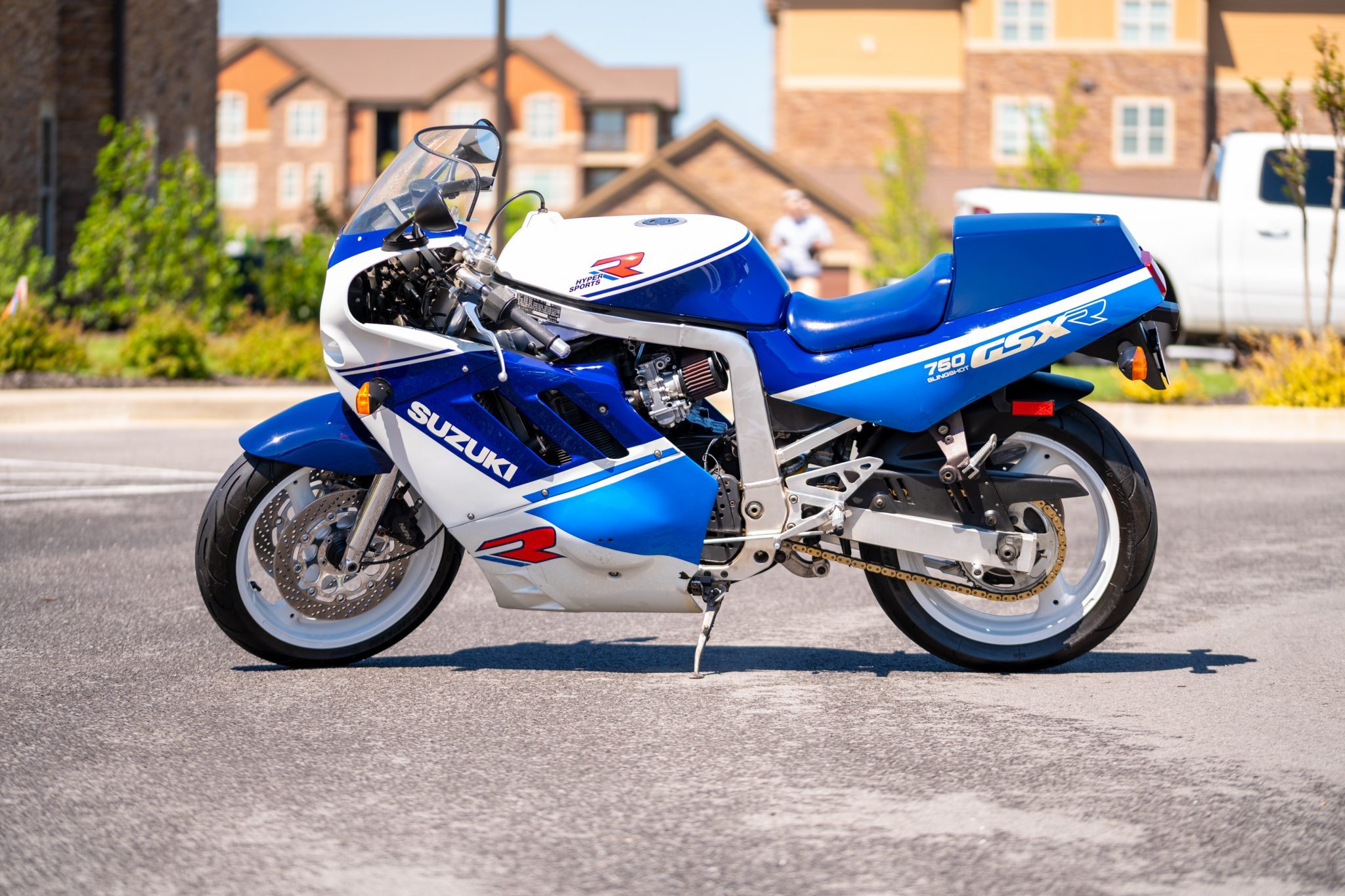
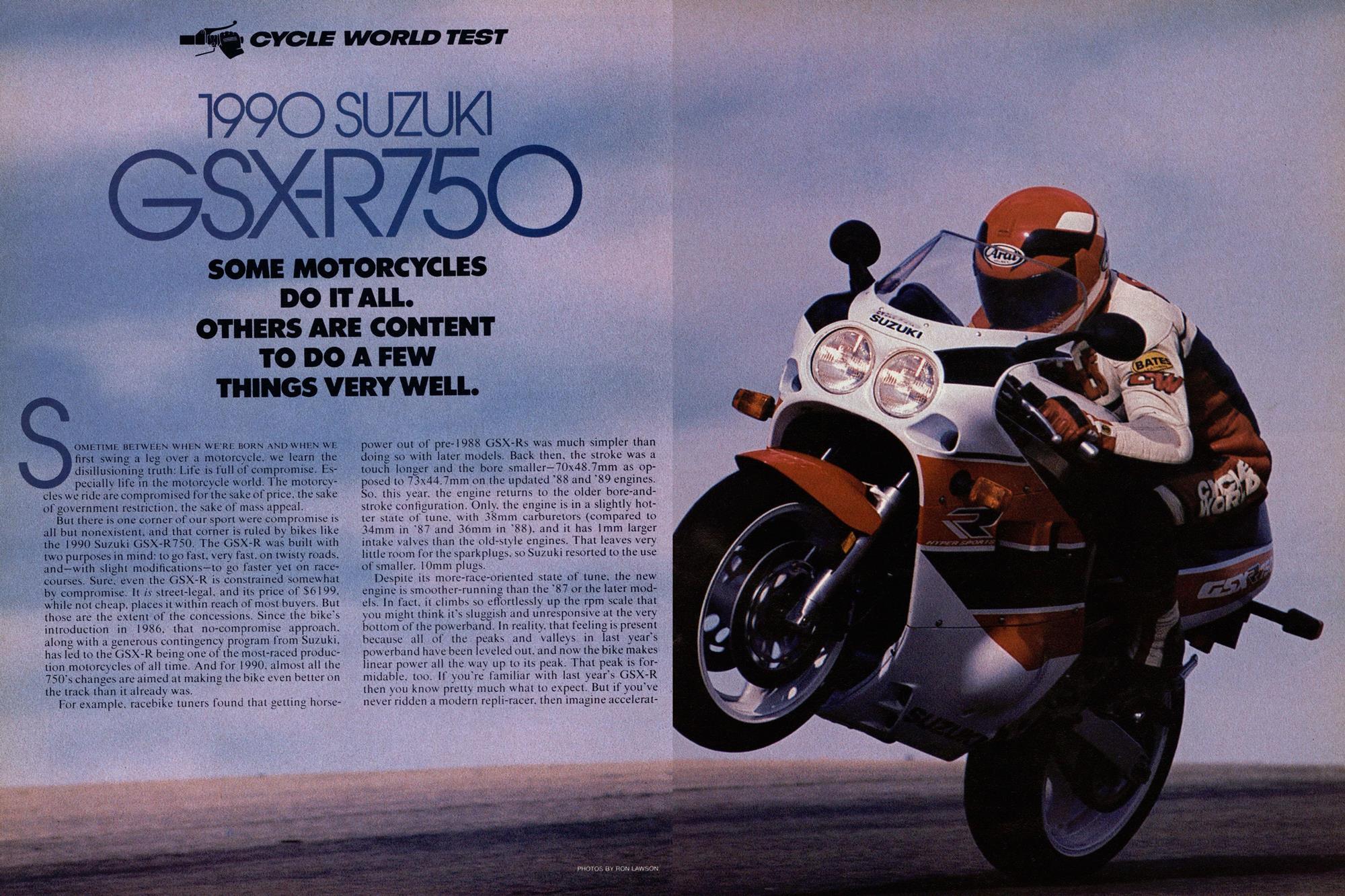
The Suzuki GSX-R750 made an immediate impact when it reached dealerships for the 1985 model year. Before it arrived, building a faster motorcycle usually meant one thing, bolting a bigger engine into a heavier frame and accepting the extra weight as the cost of doing business. Suzuki’s engineers flipped that approach, cutting weight first and treating extra power as almost secondary. The result weighed less than some 600s of the era, won races in its first season, and created an entirely new category that every sportbike maker would spend the next decade chasing: the race replica.
Suzuki’s Weight-First Philosophy
Credit: Autoevolution
Chief engineer Etsuo Yokouchi pushed a genuinely different approach at Suzuki. Rather than adding power and letting weight climb as a side effect, he wanted to strip weight out first and let performance follow from there. He tested the idea on the 1983 RG250 Gamma, a two-stroke race replica sold mostly in Japan and Europe, and again on the Japan-only GSX-R400 a year later. Some enthusiasts give the Gamma more credit than the GSX-R750 itself for solving the aluminum-frame problem first, and there is a fair argument for that. But the Gamma never reached the sales volume or the wider audience that turned the GSX-R750 into a household name.
No Subscription? You’re missing out
Get immediate ad-free access to all our premium content.