
Because of the nature of riding a motorcycle where you are exposed to the elements, most motorcyclists appreciate good weather and decent roads more than almost anyone. And there are popular states for motorcycling like Florida that thanks to its warm climate and scenic coastal and inland routes, allow for year-round riding opportunities for thousands of miles of roads that attract both local riders and visitors.
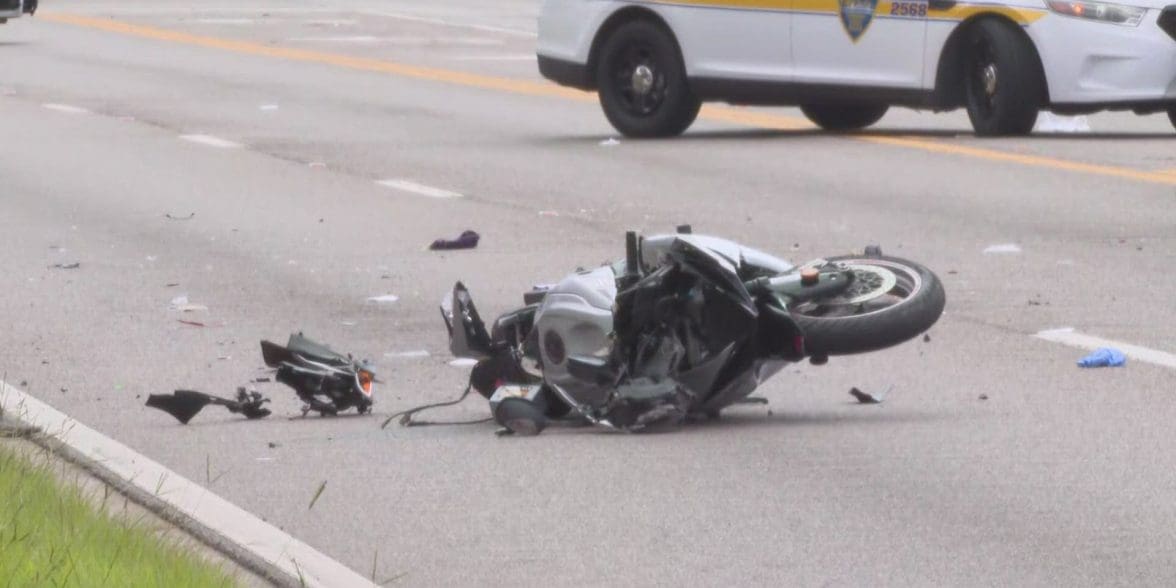
Unfortunately, Florida also has one of the highest rates of motorcycle crashes in the U.S. Between its high traffic volumes, tourism and dense urban areas, this state is one of the most dangerous for riders. For this reason, it becomes critical to understand where the greatest risks exist to help motorcyclists ride more defensively and minimize the chances of a crash.
Tourist Traffic and Congested Urban Corridors
 Credit: Introtech
Spend an afternoon riding through the tourist corridor in Orlando and you’ll understand the problem immediately. The drivers around you are lost, stressed, and operating rental cars they’ve had for maybe six hours. They’re looking at phones, arguing about which exit to take, and making lane changes based on what the GPS just said rather than what’s actually around them.
International Drive on a weekend is about as unpredictable as road environments get. Slow traffic, constant driveways and crosswalks, and drivers who will stop almost anywhere because they spotted the restaurant they were looking for. I-4 through Central Florida has a different character but the same result. It’s one of the most congested stretches of road in the state, traffic bunches and releases constantly, and there’s very little room to operate when something goes sideways.
The honest answer for riding through these areas is to treat every vehicle around you as a variable you can’t predict. More space, better positioning. No assumptions about what the car next to you is about to do, ever.
High-Speed Highways and Major Interstates
 Credit: Wonder FL
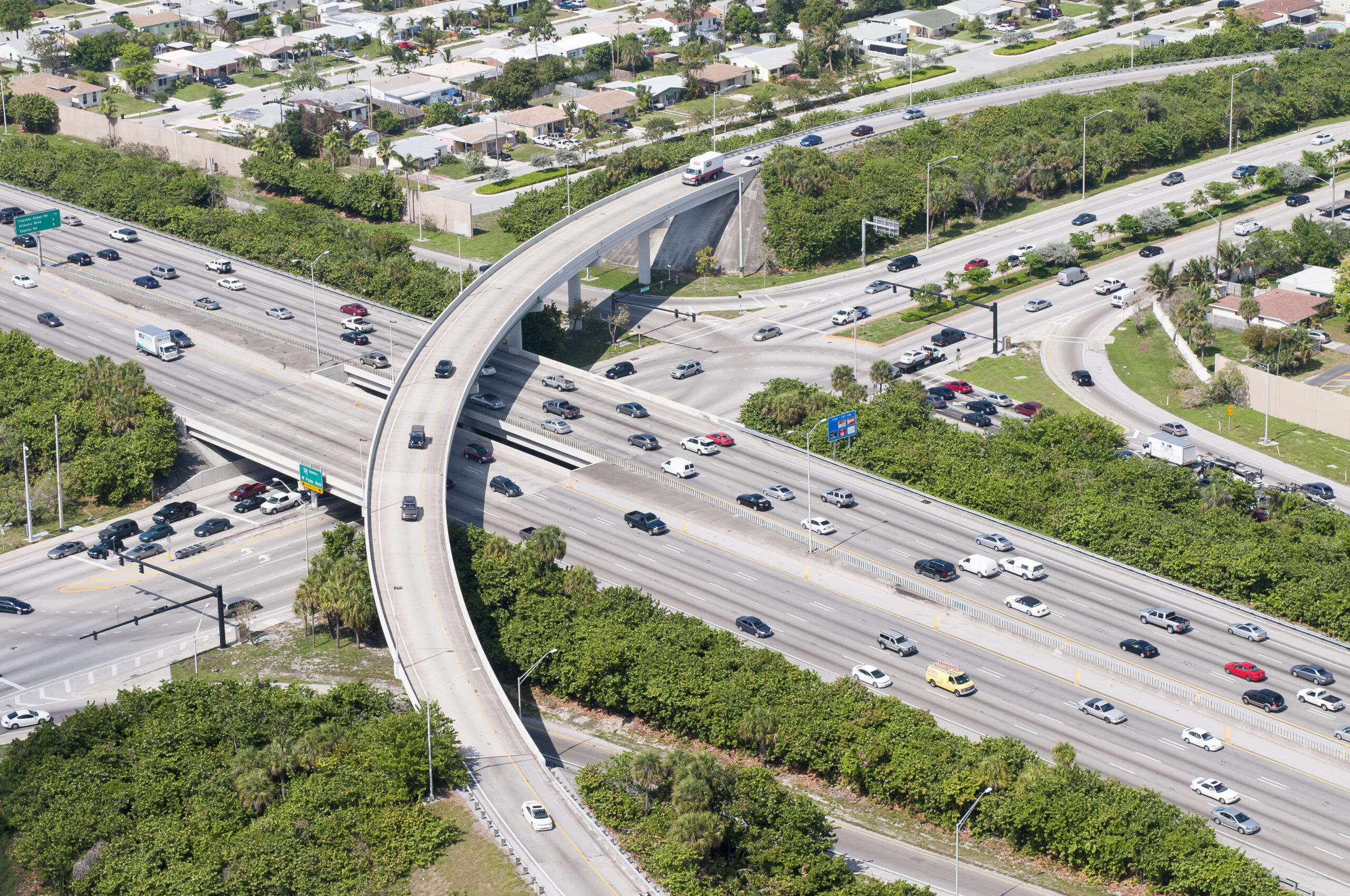
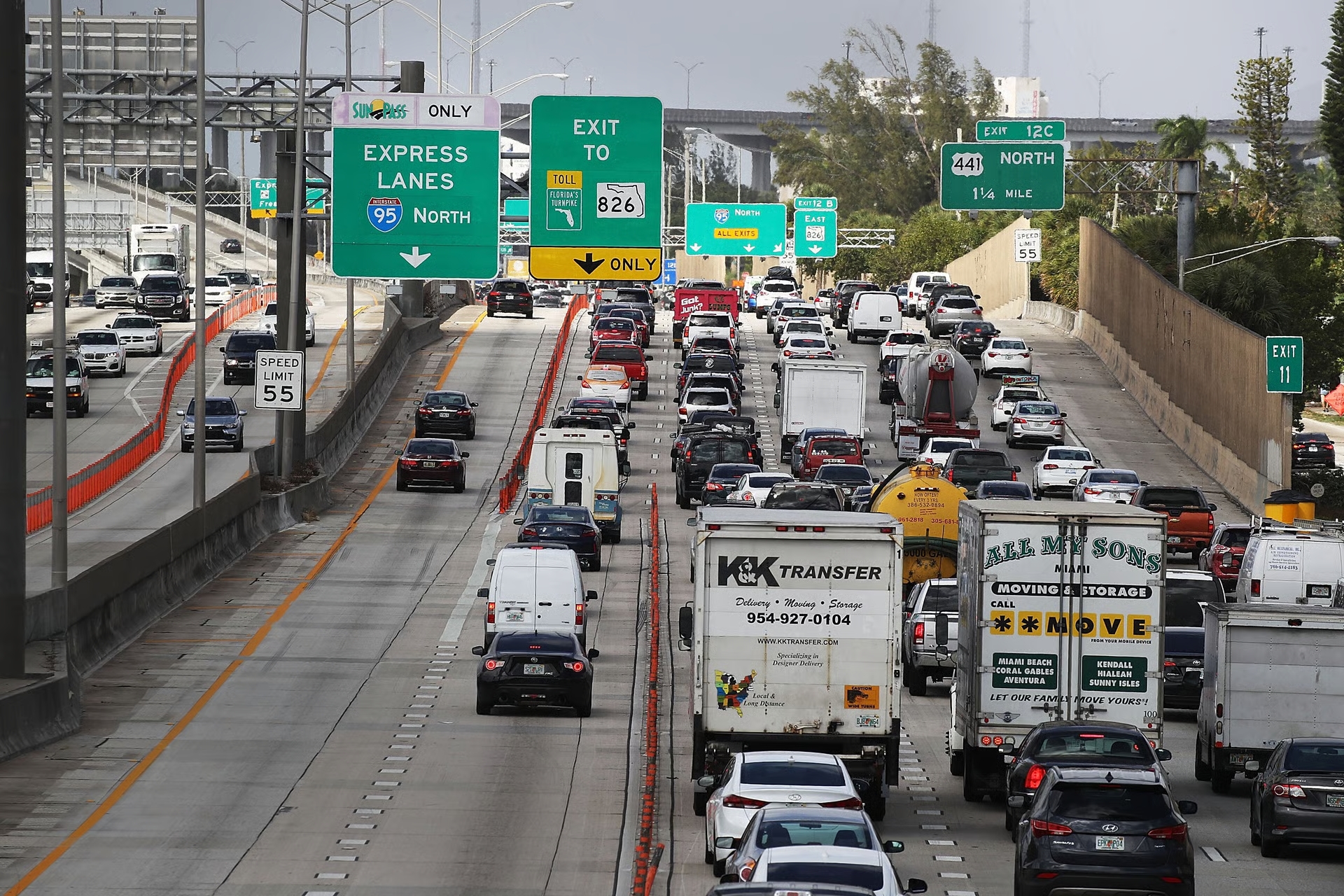
Florida highways have a way of feeling fine until something changes fast. High speed limits, heavy traffic, and drivers who change lanes like it’s a competitive sport. Trucks running the Turnpike and I-95 throw wind that’ll push you around if you’re not ready for it the first time a big rig blows past.
I-95, I-4, and the Turnpike turn up in crash reports more than any other roads in the state. High volume, mixed traffic, and drivers who’ve been behind the wheel for six hours and stopped paying close attention. When traffic stacks up suddenly because of a wreck two miles ahead, the time between normal and dangerous is measured in seconds. Rear-end collisions at speed are not survivable the way they sometimes are in a car. That’s just the math.
Riders who spend years on these roads without serious incidents tend to share the same habits. Distance from the car ahead. A lane position that makes them visible. Eyes already looking past the vehicle in front for signs of slowdowns before they arrive.
What Riders Should Know About Motorcycle Accidents in Florida
 Credit: CN Traveler
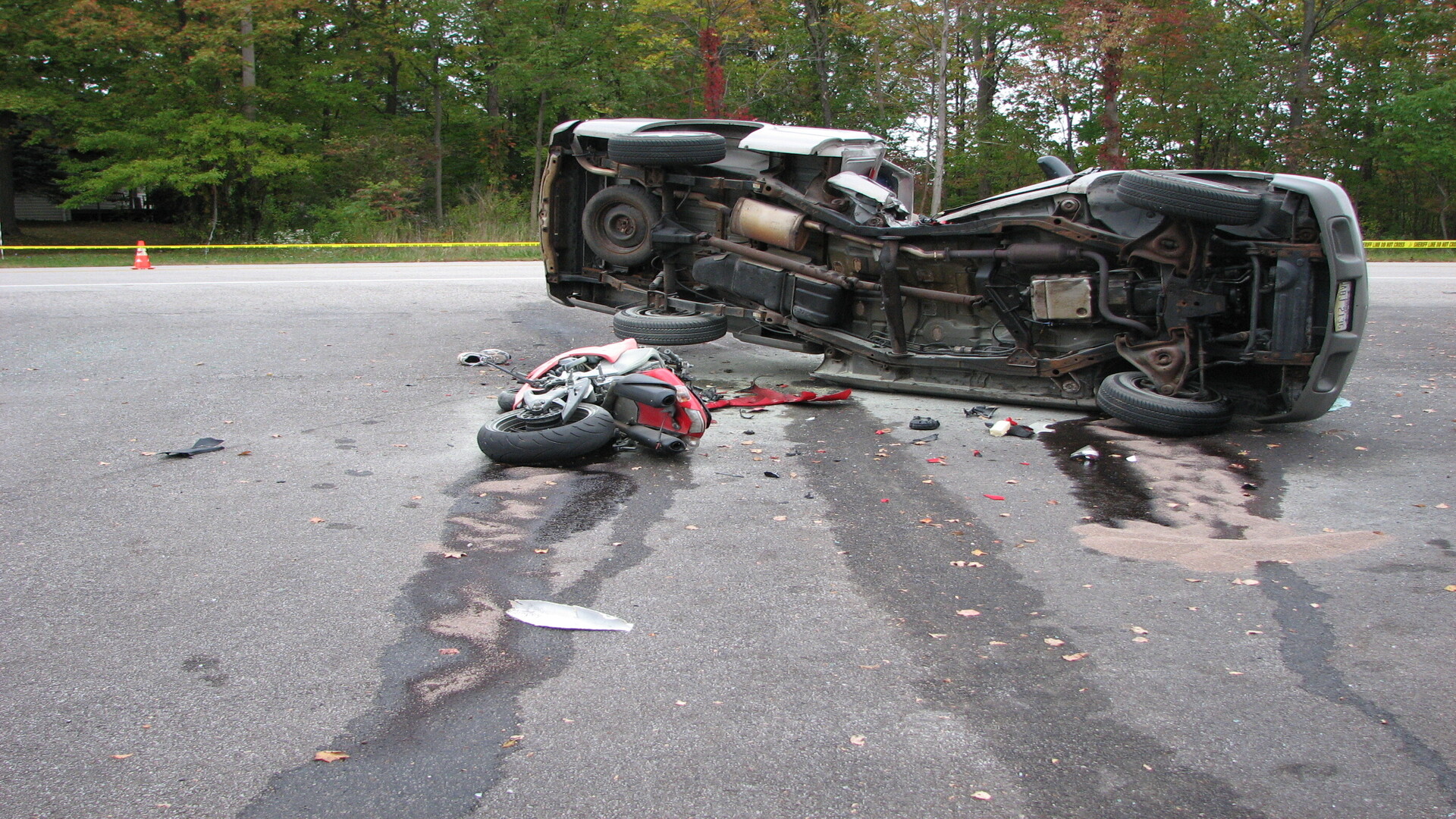
A crash would typically send a car driver home with a headache and a claim to file can send a motorcyclist to the ICU. Same road, same speed, different physics entirely. No frame, no airbag, nothing absorbing the impact except you. Most people intellectually understand this. Fewer actually ride like it’s true.
After a crash, the instinct is to figure out if you’re okay and then deal with everything else. Flip that. Get medical attention before you decide you’re fine, because sometimes you’re not and you won’t know it yet. Get photos of everything while the scene is intact. Names and numbers from anyone who saw it. An official report filed. And be careful with recorded insurance statements before you understand what you’re actually entitled to. Once you’ve said something on record, you’ve said it.
In situations involving serious injuries or disputes over fault, riders often consult experienced motorcycle accident lawyers in Orlando, FL to understand their legal options and how to move forward after a crash. If you are hurt in a motorcycle accident you should seek help with all the aspects of your case and fight for compensation for your injuries.
Defensive Riding Strategies for Florida Roads
 Credit: QZ
The best assumption you can ride with in Florida is that nobody sees you. Not as a pessimistic outlook. Just as an accurate one. Most drivers aren’t looking for motorcycles. They’re looking for other cars. Riding with that in mind changes where you position yourself, how much space you keep, and how you approach every intersection.
Experienced riders always seem to have a little room around them. That’s not accidental. It’s the result of constantly thinking one move ahead. If that truck merges right now, where do I go? If the car ahead stops hard, do I have enough room? The riders who get into trouble are usually the ones who let themselves get surrounded and run out of options when they need one.
Florida weather is its own thing entirely. Afternoon storms pop up fast, especially spring through fall, and the first rain after a dry stretch turns the road surface into something close to ice for a few minutes. Oil, rubber, everything that’s been sitting on the asphalt comes up. Debris after storms is a real problem too. And the construction zones around the major metros right now are constant, rough, and have workers closer to moving traffic than anyone is really comfortable with. You can ride through all of it. Just not on autopilot.
Conclusion
Florida is worth riding, that’s not in question. But it asks more of you than a lot of states do, and certain roads ask more than others. The tourist corridors, the big interstates, the afternoon storm season. None of it is a reason to stay home but is a reason to stay sharp. Know the roads, know what to do when something goes wrong, and don’t ride here like it’s somewhere easier than it is.