
Purchasing a motorcycle is different for every prospective owner. Not everyone has the budget to get their hands on a brand-new bike, so other alternatives such as motorcycles with rebuilt or salvage titles, can make more financial sense. In fact, there’s a growing market for these bikes. The global salvaged motorcycle market was estimated at around $120.08 Billion in 2024 and it’s easy to see why.
Buyers can save between 20-50% off clean title equivalents, though insurance rates are often 10-30% more expensive. For this reason, it’s becoming more important to be aware of the differences between the salvaged and rebuilt titles to buy smart. Still, many riders are wary because of misconceptions or a lack of information but this article provides a clear explanation of the pros/cons and how to make informed decisions.
Understanding Motorcycle Title Types
 Credit: RevZilla
What is a Salvage Title?
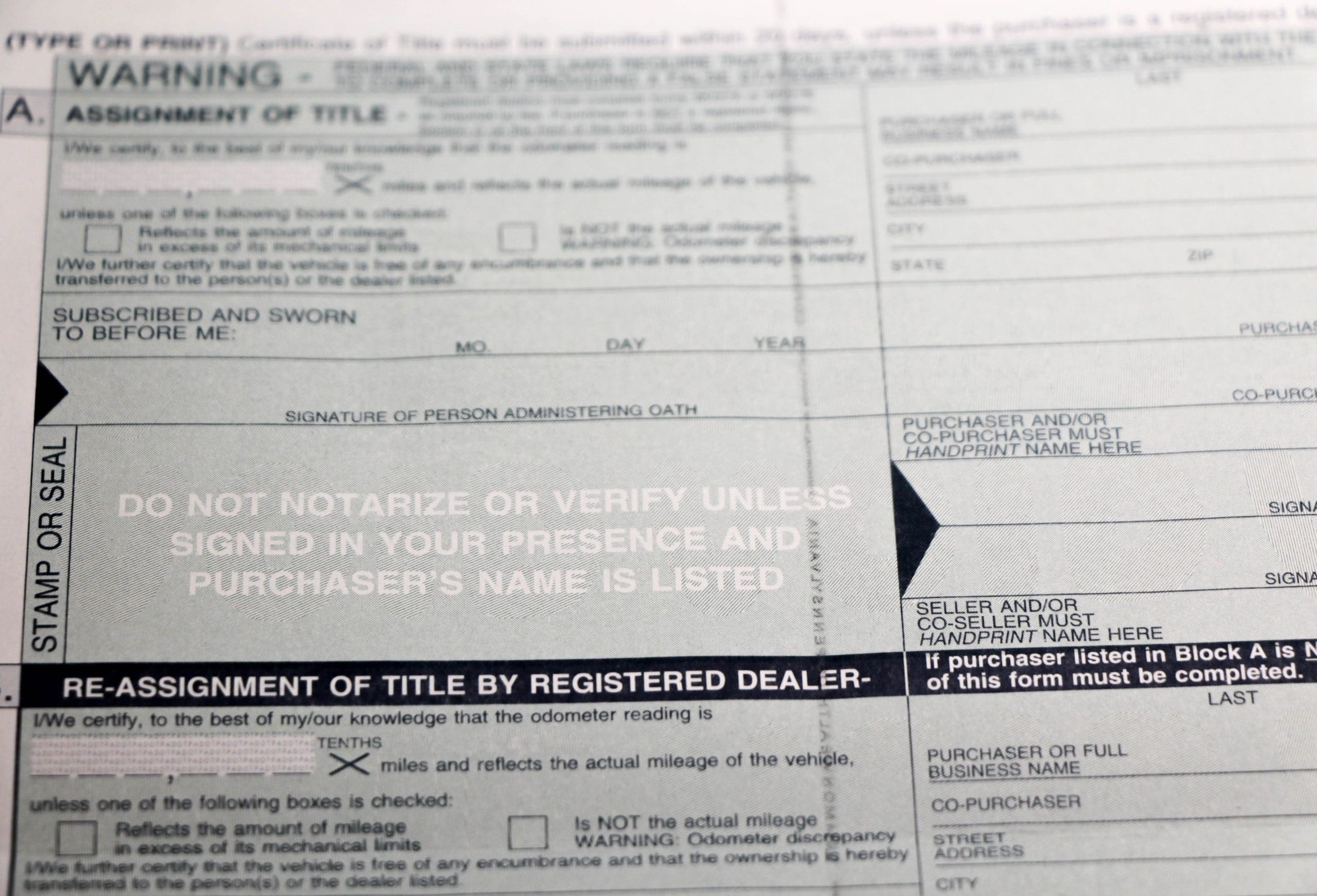
A salvage title means an insurance company has written off a motorcycle. It happens when repair costs are more than 60-75% of the bike’s value depending on state law. Keep in mind that, even though “salvage” sounds like a vehicle or motorcycle has serious damage, it can also be a flood, a recovered theft, or an administrative write-off.
Maybe the bike was stolen and later recovered when an insurance payout was made, or perhaps it’s suffered some hail damage that is purely cosmetic, or more seriously, flood damage. Either way, a bike with a salvage title can’t be registered or ridden on public roads in its current state.
What is a Rebuilt Title?
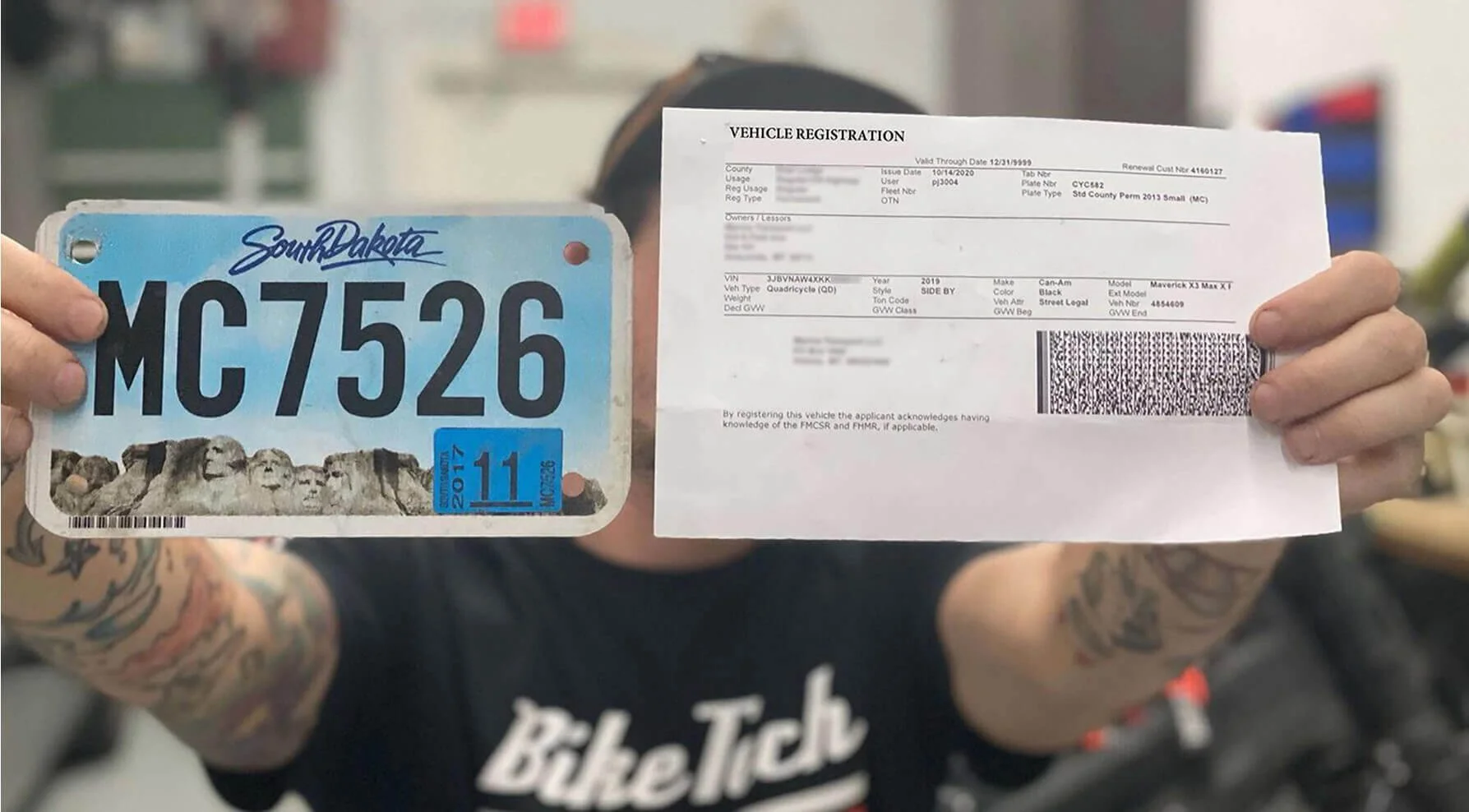
A rebuilt title means a salvaged motorcycle was repaired, allowing it to pass inspection and be registered. Just note that the bike needs to be street-legal to be registered and insured, to have a second life.
A rebuilt title is permanent even if you repair it flawlessly. Some states use the terms “reconstructed” or “restored” but the meaning is the same. Permanent markings lower resale value, insurability, and future resale value.
Pros, Cons, and What to Watch Out For
 Credit: Bodaq
The Upside
You can save between 20-50% on salvage motorcycles versus a bike with a clean title, allowing you to save cash to spend on special or performance parts or a better set of gear.
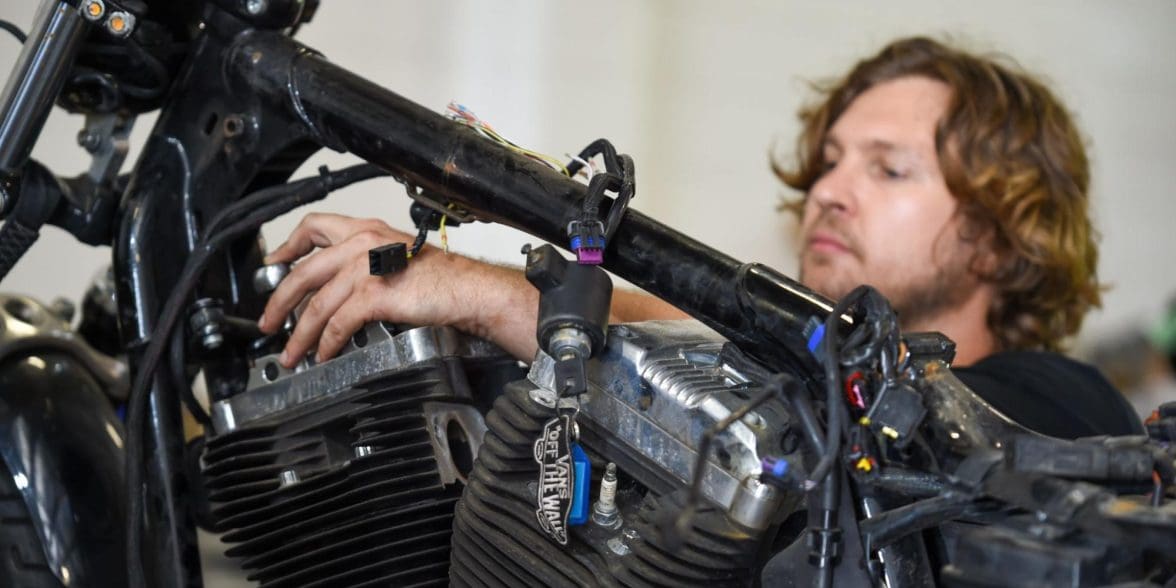
And if you enjoy working on bikes, a salvage motorcycle becomes more than just a way to get around. With a rebuild, you’ll know the parts and operation of your bike better than anyone. Salvage bikes can also be excellent part donors, great for building that café racer you’ve been daydreaming about.
Key Considerations
Things get a little more complicated when buying a salvage or rebuilt bike, so you’ll want to make sure you know what you’re buying.
What you need to watch out for:
- Resale value: Rebuilt titles can reduce resale value by about 20-40% compared to a clean title bike
- Insurance: Some carriers won’t insure a rebuilt title, others only insure liability or increase your rate 10-30%
- Financing: Most banks won’t finance a bike with a rebuilt or salvage title. You’ll need cash.
- Hidden damage: Frame damage, electrical issues, and flood damage can appear months after your purchase.
- State rules: California requires enhanced inspections. Texas and Georgia only require standard inspections and some states will not insure a flood-damaged bike at all
- Parts availability: Parts can be expensive and difficult to find for rare or imported models
When Does It Make Sense?
 Credit: Shutterstock
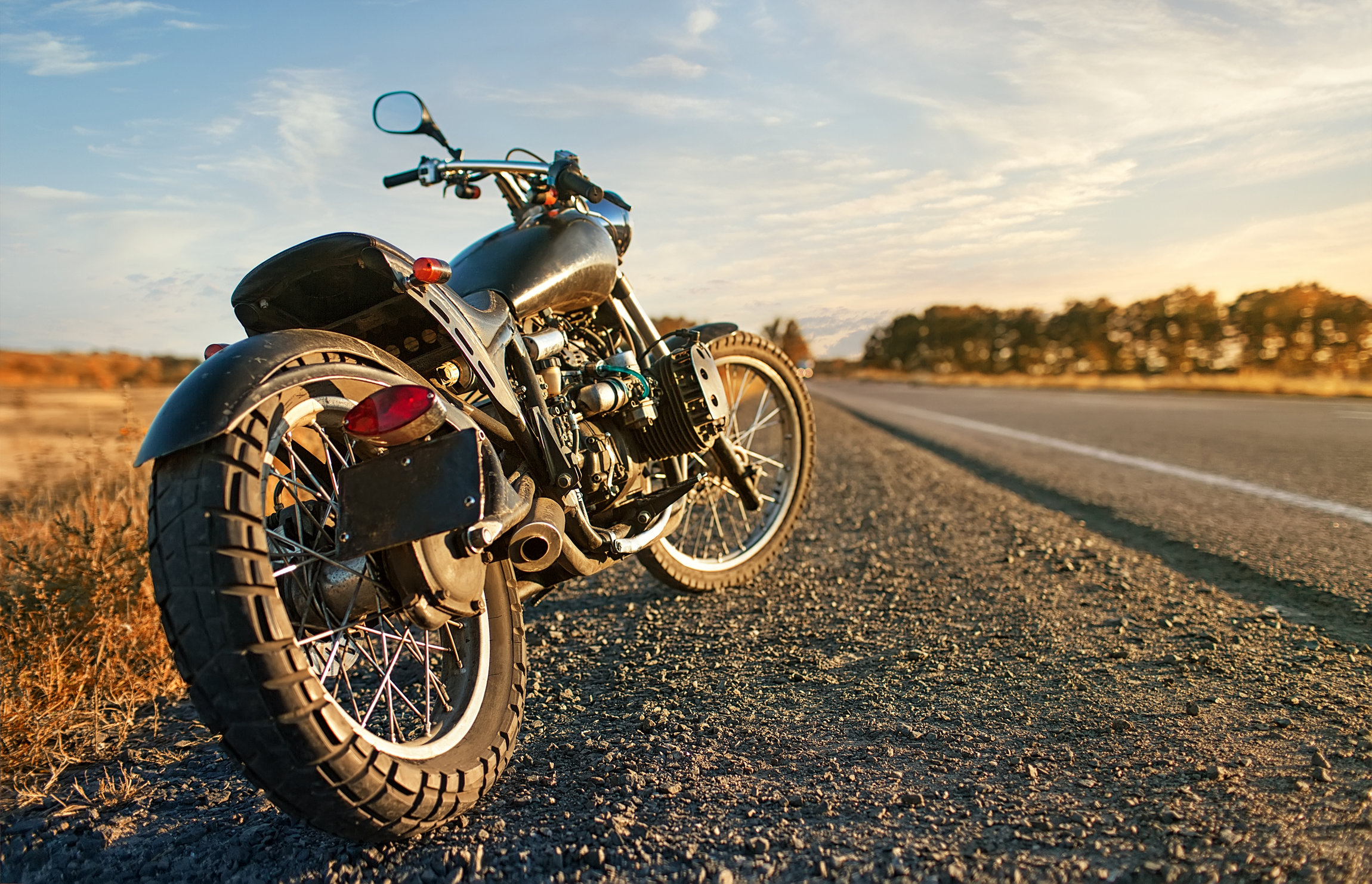
A salvage bike makes sense if you’re willing to put in the work or pay for an inspection, you plan on keeping the bike long term, you confirm your insurance beforehand, and you ensure you’re not buying a bike with undisclosed damage.
Many experienced mechanics and salvage buyers claim the safest bet in the market is a theft-recovery or hail-damaged bike. The damage relates mostly to cosmetic areas or components that are easy to replace, and the mechanical systems are in good shape. The biggest mistakes happen when buyers decide to skip the professional inspection on “minor damage” listings, only to discover frame and structural damage that wasn’t disclosed, resulting in extensive repair costs.
Where to Find and How to Buy Smart
 Credit: Reddit
Finding Salvage and Rebuilt Motorcycles
Online auctions give you detailed photos and a damage report of nationwide inventory. Platforms like Abetterbid USA even allow public buyers without a dealer license to bid.
Within those sites, you get varying levels of damage: theft-recovery (generally mechanically sound), hail-damaged, minor cosmetic damage, and collision-damaged. Theft recovery and hail damage motorcycles are generally mechanically sound but have significant title discounts.
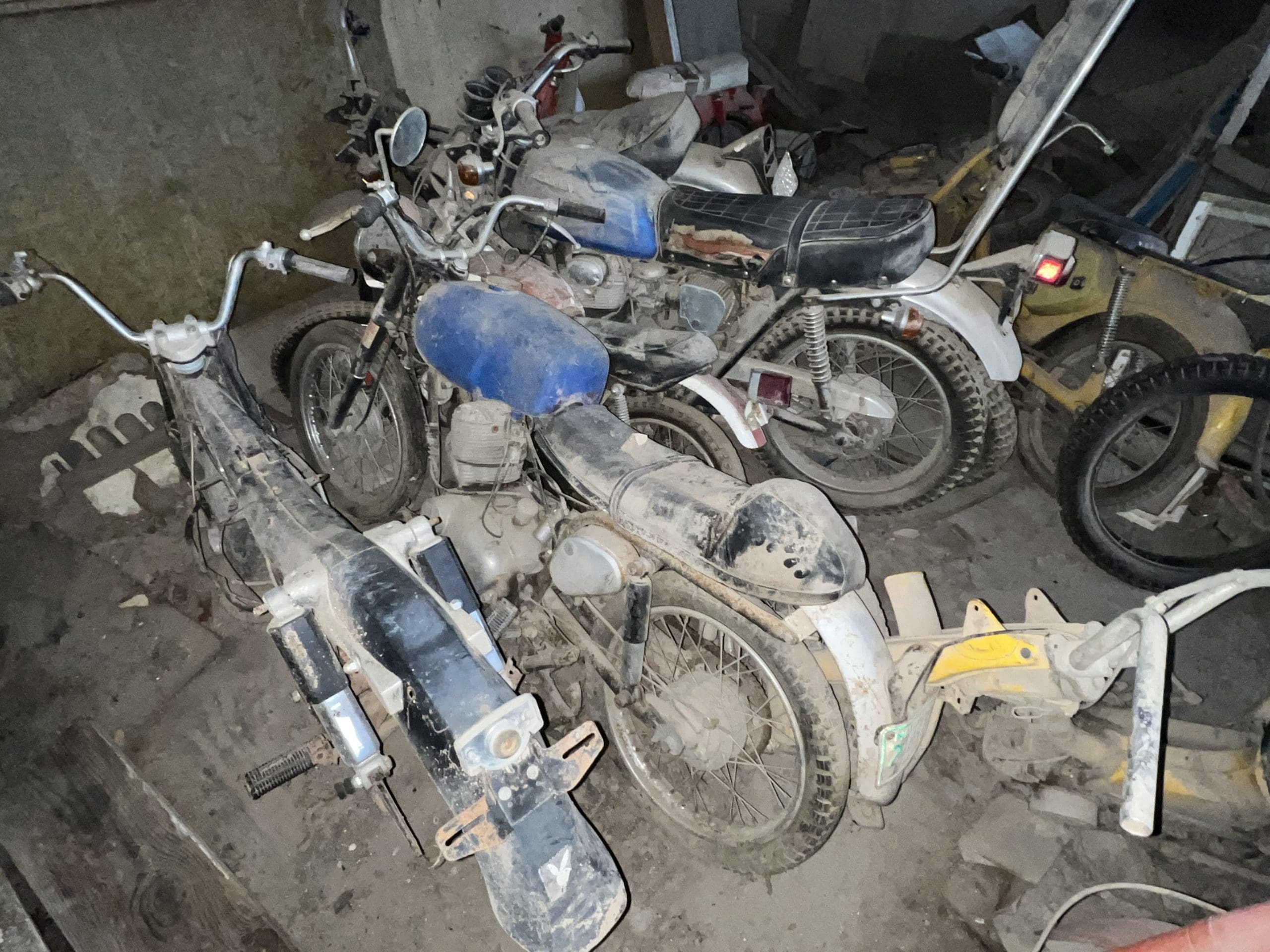
Options include local salvage yards, private sellers on marketplaces, insurance auctions, and rebuilt-title dealers. Private sellers have extra risks involved as you are relying on a seller to be honest about repair quality in the absence of documentation you’d expect from a major auction house.
Essential Inspection Steps
 Credit: Airtasker
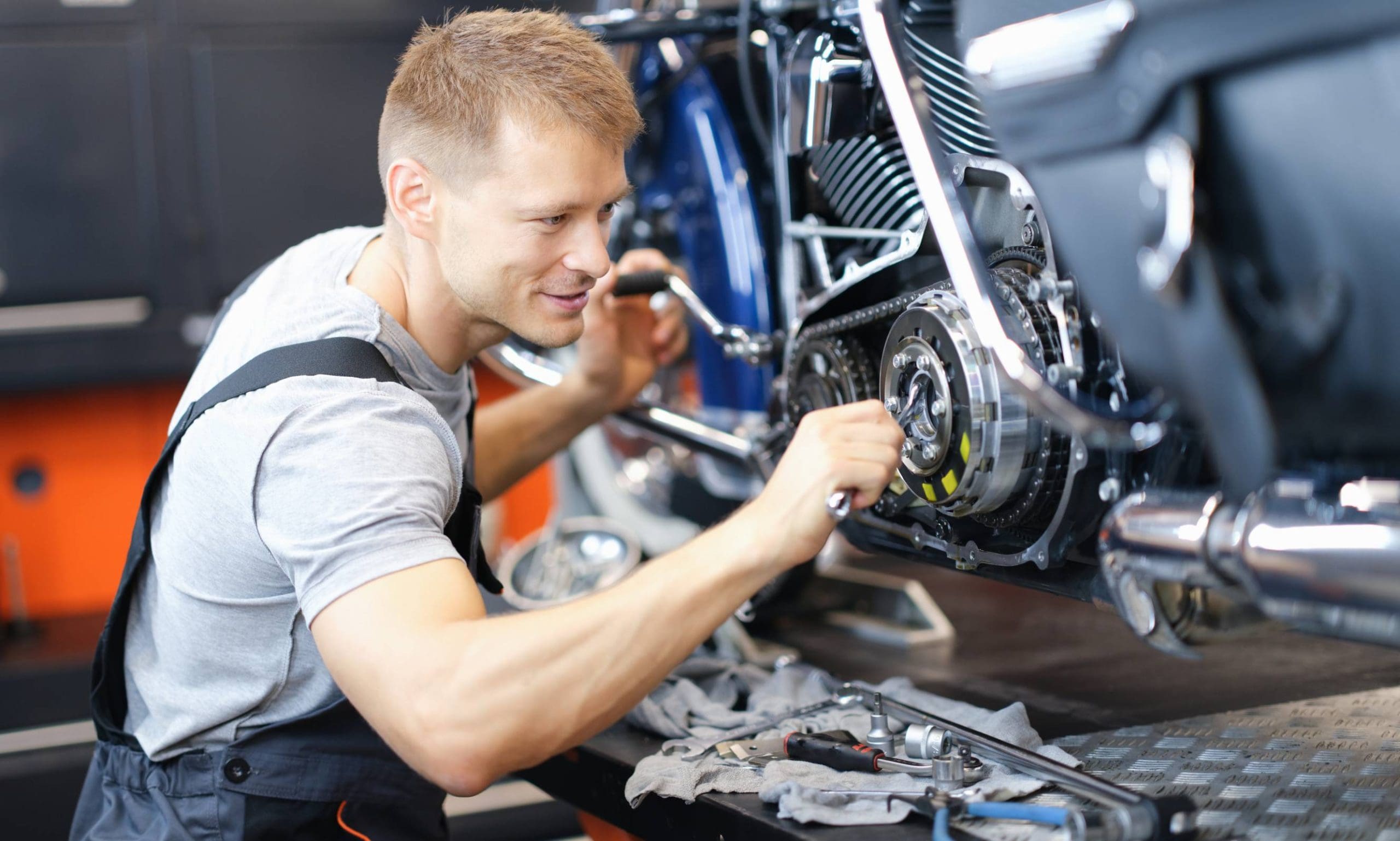
Unless you are a skilled mechanic we recommend hiring a professional to do a pre-purchase inspection on your prospective bike. A professional inspection can set you back $150-300, but it will save you thousands in the long run.
A pre-purchase inspection should include:
- Inspecting the frame for bends with a straight edge, sloppy welds, and paint repairs
- Testing switches and gauges to check for electrical issues
- Looking for water stains in the air box or under the seat that can point to flood damage.
Never buy a rebuilt motorcycle without repair records. Reputable rebuilders will have damage photos, parts receipts and state inspection records, so walk if they don’t. Get a full VIN check from the National Insurance Crime Bureau at NICB.org, then pull a Carfax or AutoCheck report and check to see if there’s any salvage, flood, or tampered odometer.
You must also request to test-ride the bike and pay attention to:
- Handling
- Tracking
- Unusual noises
- Brake feel
Walk away if the seller won’t let you inspect or test-ride the bike. Other red flags include not providing repair records, a damaged or weakly welded frame, flood history, or if the price is too good to be true.
Final Thoughts
Salvage motorcycles aren’t inherently bad deals, but they require preparation. Know your state’s title rules before you start shopping, get insurance approval lined up, and expect to spend 20-30% more than your initial budget. Hidden issues are the norm, not the exception.
You must treat these bikes as projects or long-term investments. You also need to either be mechanically inclined or willing to accept a permanent resale handicap and possible insurance challenges. If you can live with that, you can get a good bike for several thousand less than the market average. Inspect everything, verify the seller’s claims, document the entire process, and don’t let a tempting price cloud your judgment.