

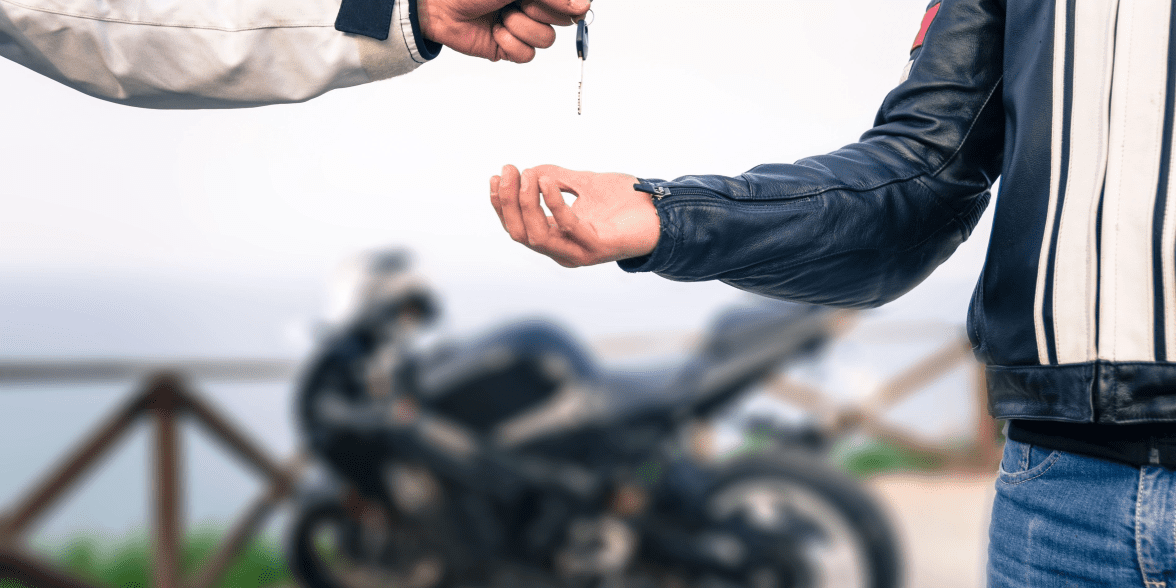
Here’s a statistic that many bike owners or prospective owners will not love to learn: most motorcycles can lose up to 20% of their value in the first year alone. If you already knew this, then you’re not shocked, but for people in the market for a new or even a used motorcycle, current depreciation rates could be too steep and dissuade them from getting their hands on their dream bike.
From accident history to title brands and legal issues that tank prices, to damage caused by nature or significant modifications, many factors impact a bike’s value and make it harder to resell. However, all is not lost. Learning how to verify a bike’s history before purchasing can save you a lot of money and headaches when buying or selling a motorcycle. Let’s explore what really kills resale value.
Accidents and Damage History
 Credit: Reddit
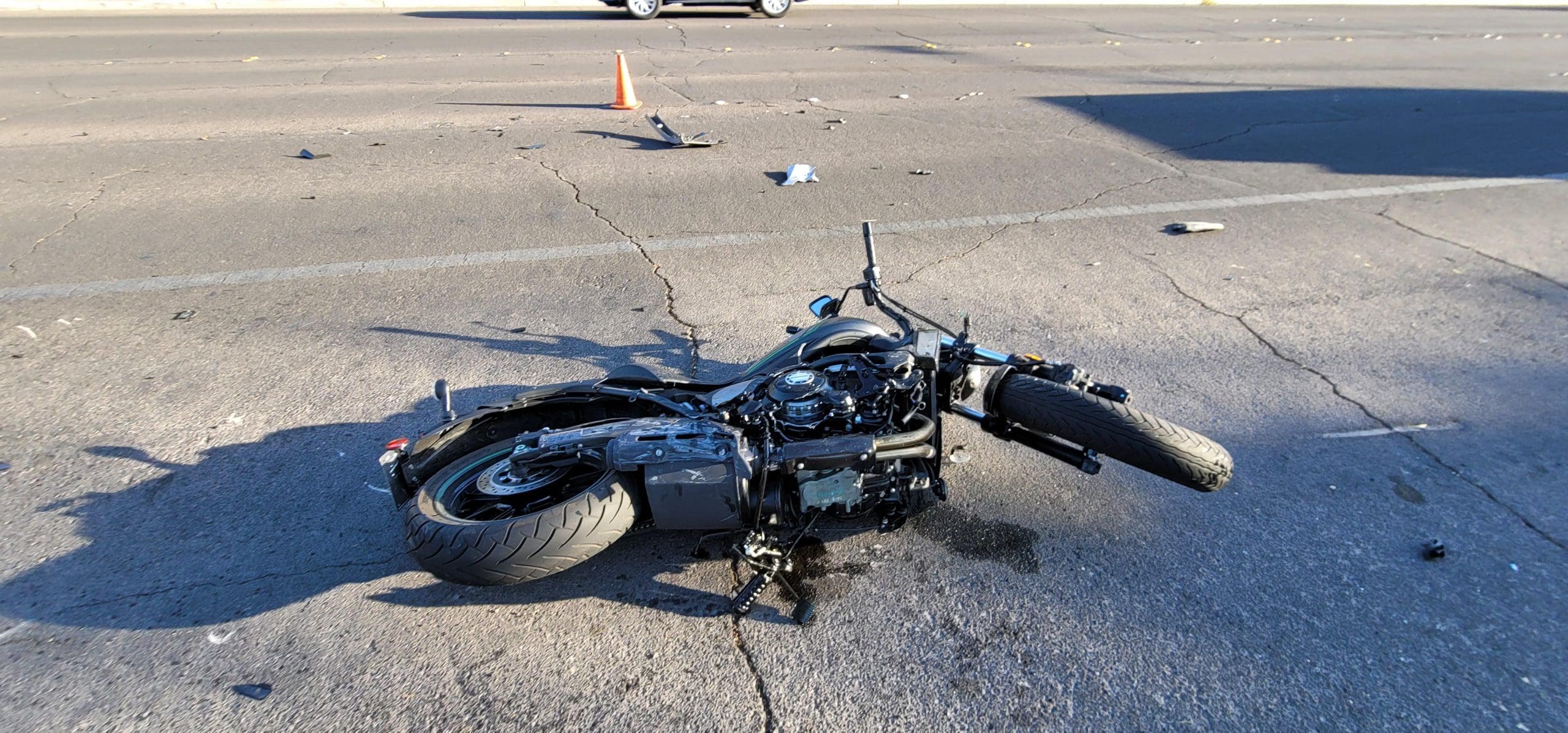
If you’ve ever tried to sell a motorcycle that’s been wrecked, you already know how the conversation goes. It doesn’t matter if the damage looked minor; the moment a buyer hears “it was in an accident,” the tone changes. Offers get more cautious, questions multiply andnd the price starts drifting downward.
Even small crashes usually cost something. Ten percent is common, sometimes twenty. If the frame was touched, that’s where things really shift. Structural damage makes people nervous, and nervous buyers don’t pay top dollar.
The hard part is that repairs don’t erase doubt. A bike can look perfectly fine. Straight bars, clean paint and no visible issues. Still, most buyers are thinking about what they can’t see. Was it aligned correctly? Were quality parts used? Will something show up later?
That uncertainty alone affects value and the record sticks. Accident reports show up on vehicle history checks years later. Insurance companies see it, and many future buyers will see it too. It becomes part of the bike’s story whether you like it or not.
Title Brands and Legal Issues That Tank Prices
 Credit: Interstate Honda
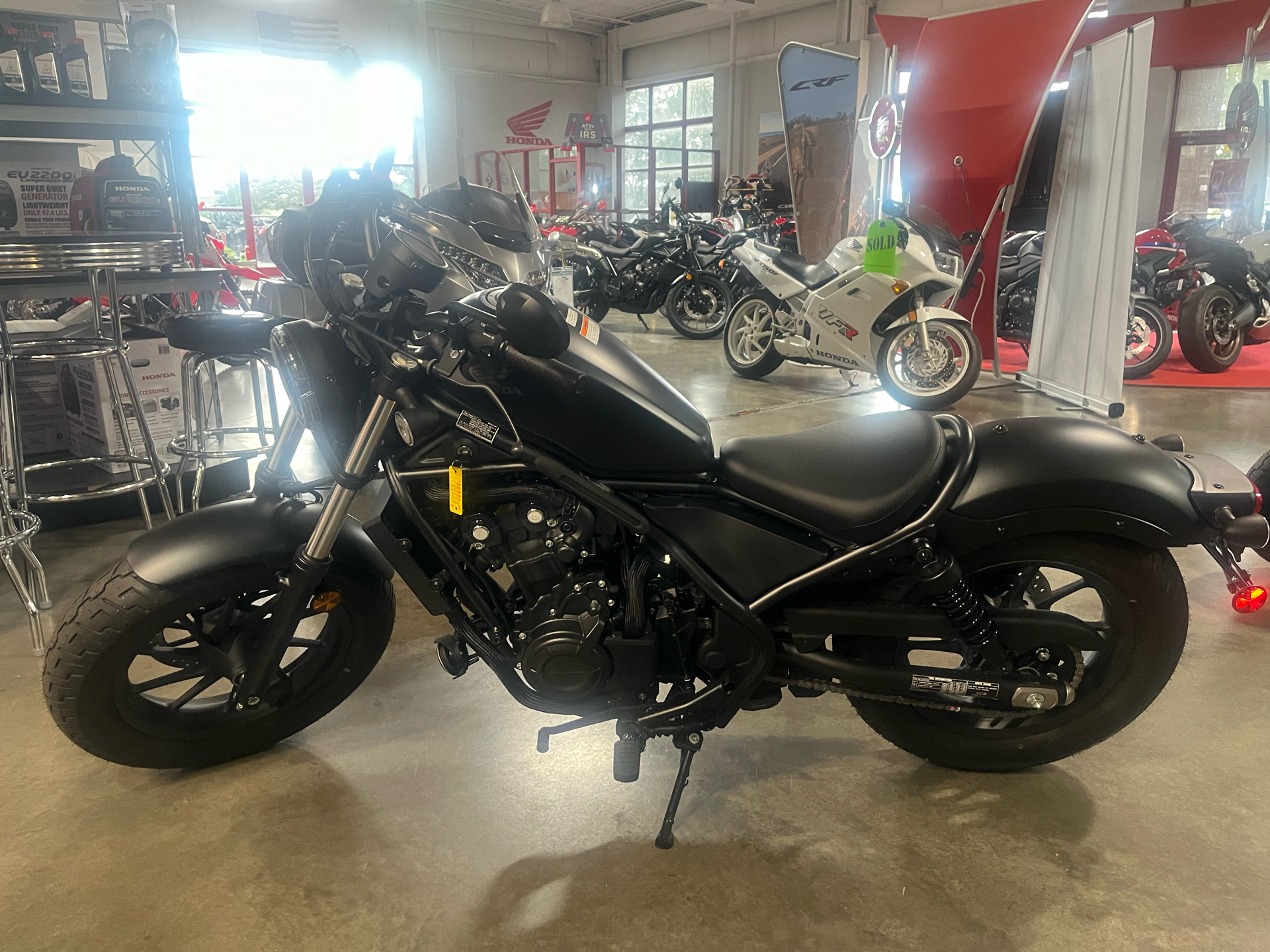
When a motorcycle goes through something serious, the state may brand the title. That mark doesn’t come off. It stays with the bike permanently. Buyers who want to verify a title’s status often rely on Official NMVTIS Vehicle History Reports to check for branding, prior total loss declarations, theft records, and mileage discrepancies before making a decision.
- Salvage Title: Usually means the insurance company declared the bike a total loss. Expect a drop of forty to sixty percent compared to a clean-title version. Some buyers won’t even consider it.
- Rebuilt Title: The bike was repaired and passed inspection, but it was previously totaled. Value typically falls twenty to forty percent. The stigma remains, even if the work was solid.
- Flood Damage: Water and electronics rarely mix well. These bikes often sell for fifty to seventy percent less because problems can surface long after repairs are made.
- Lemon Law Buyback: The manufacturer bought the bike back after repeated repair attempts. That history can reduce value by thirty to fifty percent.
- Odometer Rollback or TMU: If the mileage can’t be confirmed, buyers assume higher wear. Value often drops fifteen to thirty-five percent.
Theft recovery adds another layer of doubt. Maybe nothing serious happened but maybe it did so buyers price in that risk. Some sellers are upfront about these issues but others aren’t. That’s why experienced buyers usually run their own report before making a decision.
Mileage and Maintenance
 Credit: Matthew Hume
Mileage by itself doesn’t mean much without context. A 25,000-mile touring bike that spent its life on highways is very different from a 25,000-mile supersport that saw constant hard acceleration. The number is the same but the wear probably isn’t.
Service history often matters more. When a seller has receipts for oil changes, valve checks, tires, and regular maintenance, buyers relax a little. When there’s no documentation, people assume corners were cut. Fair or not, that assumption affects the offer.

Oddly enough, very low mileage can raise questions too. Bikes that sit for years tend to develop their own problems. Seals dry out, fuel systems gum up and batteries die. Motorcycles aren’t meant to sit untouched.
Market Timing and Modifications
Season makes a difference. Try selling in the middle of winter and you’ll feel it. Fewer buyers, less urgency. Come spring, interest picks up and prices usually firm up with it. Brand recognition also plays a part. Established manufacturers with strong dealer networks and easy parts availability generally hold value better. Buyers like familiarity.
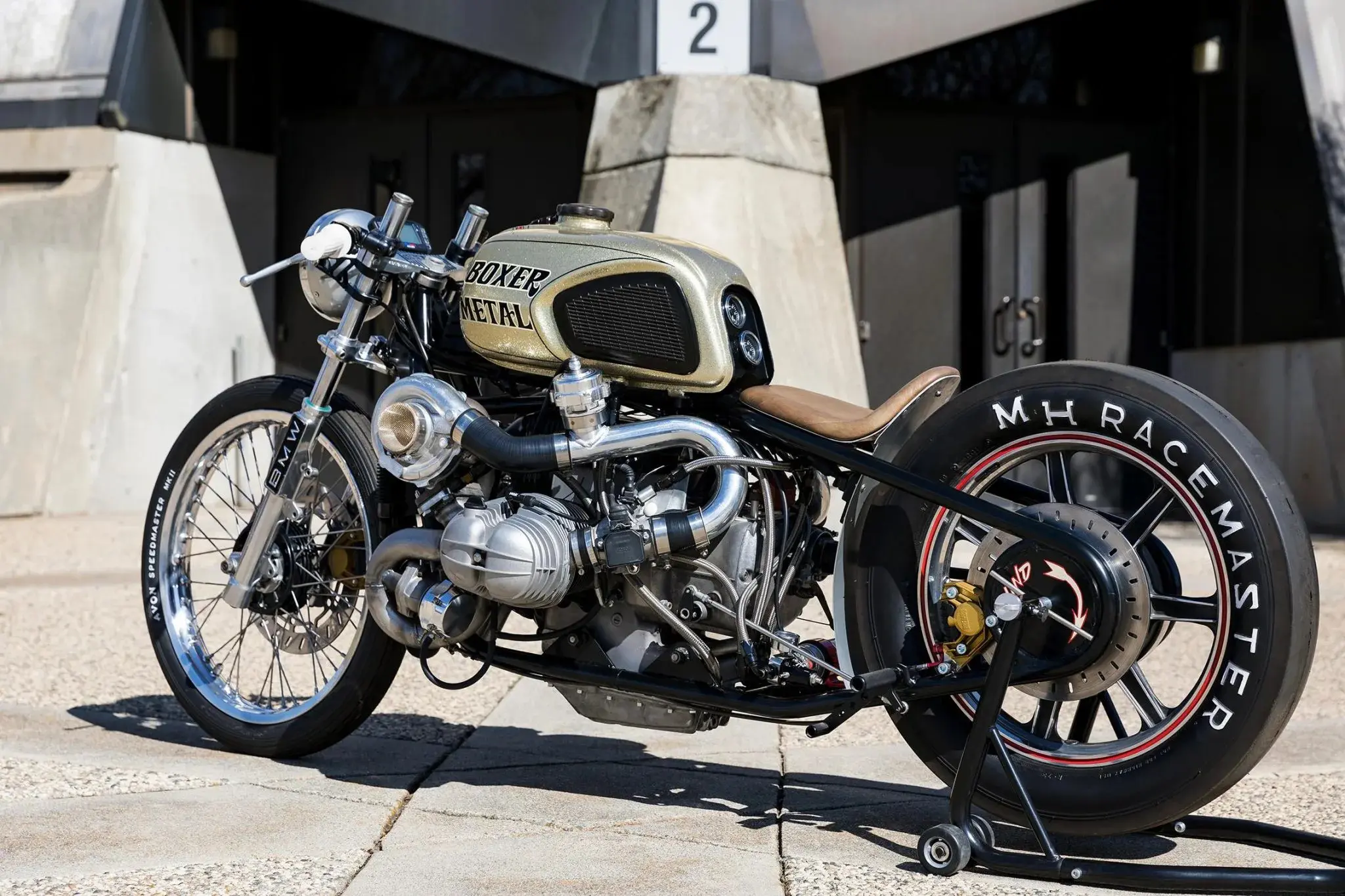
Modifications are unpredictable and they can either increase or lower your bike’s value depending on the buyer. A quality suspension upgrade might help but a heavily customized paint scheme might limit your audience. The more personal the build, the more you have to wait for someone with the same taste.
Closing Thoughts
In the end, resale value comes down to how comfortable a buyer feels. Clean history, clear paperwork, and maintenance records. Those things build trust. When there are unanswered questions, buyers protect themselves by lowering their offer. That’s not personal, it’s just how the market works.